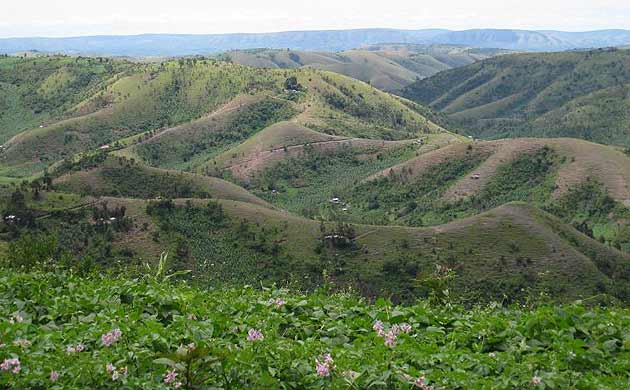
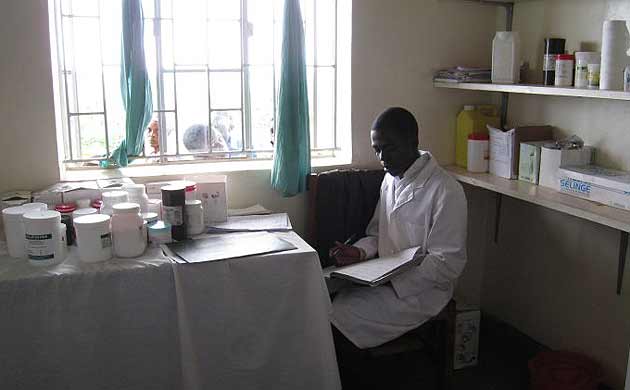
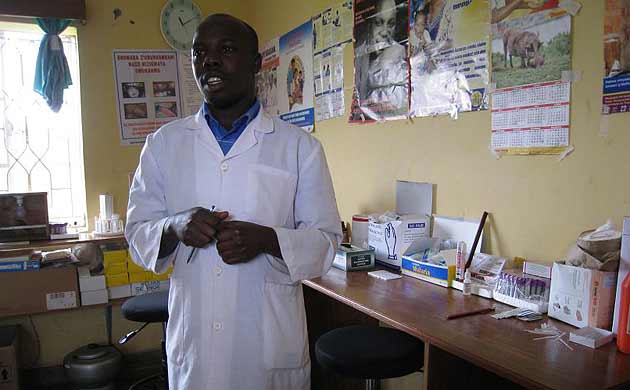
The hilly area of south west Uganda where the Ruhiira project is based. The area has been extensively deforested in the last half century leading to terrible soil erosion on the hill tops.Photograph: Madeleine Bunting/guardian.co.ukThe clinic at Ruhiira, which is fully staffed and where a system of 24/7 midwifery care has contributed to bringing down the rate of maternal mortality.Photograph: Madeleine Bunting/guardian.co.ukThe lab is well equipped with diagnostic equipment and drugs in part supplied by donors, in part supplied by government.Photograph: Madeleine Bunting/guardian.co.uk
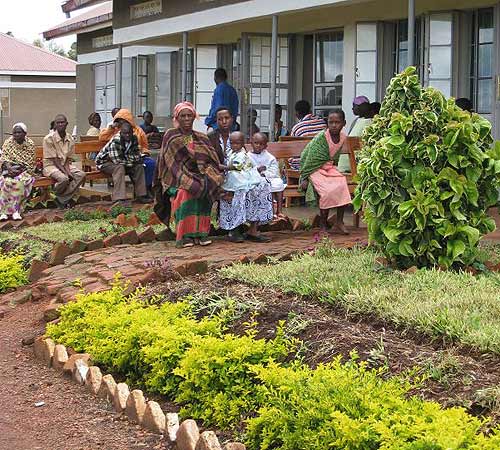
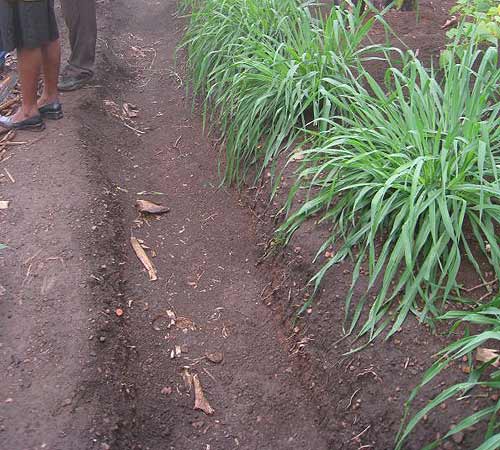
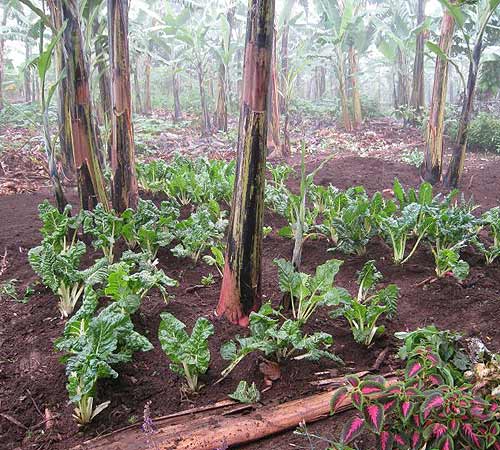
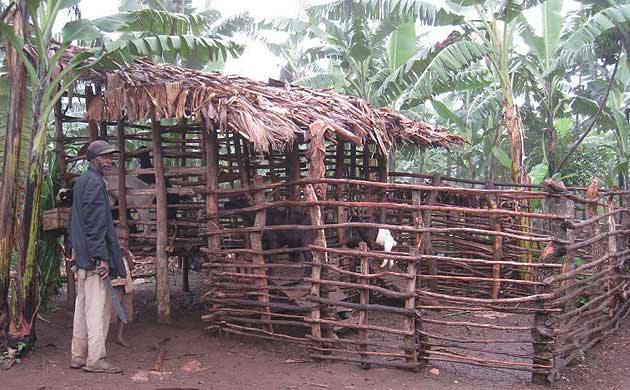
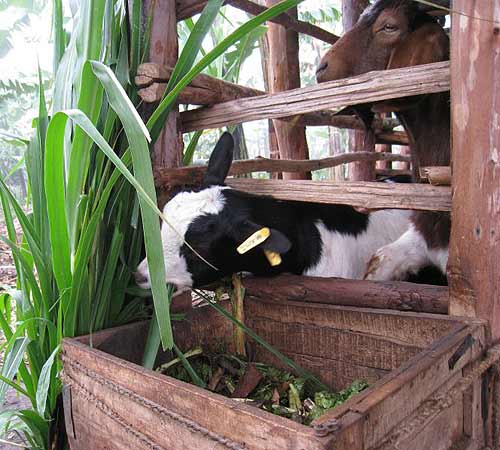
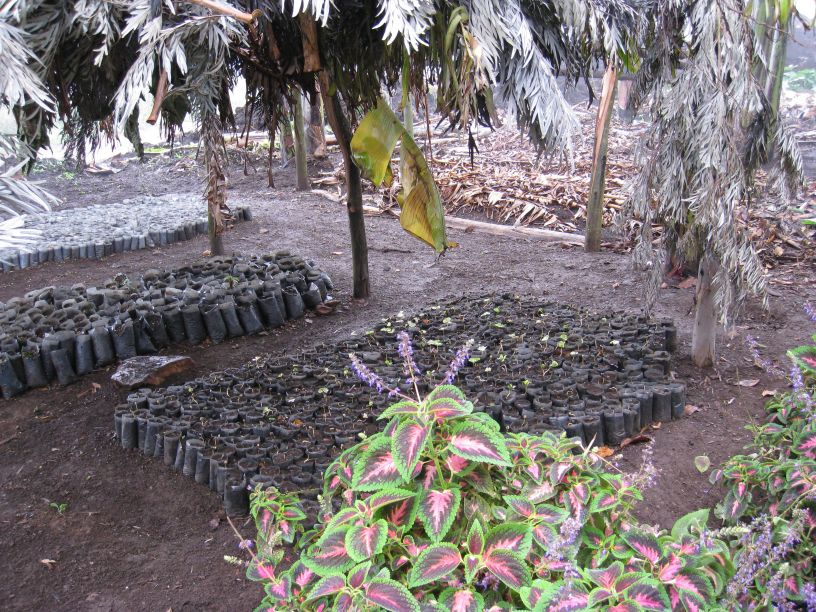
The numbers attending the clinic for the precious drugs from the dispensary has dramatically increased as people outside the Ruhiira area come in search of better services.Photograph: Madeleine Bunting/guardian.co.ukDitches have been cut through the banana plantations in Ruhiira in a bid to reduce soil run off in heavy rain. The sides of the ditch are planted with grass to maintain the sides and also for fodder for goats.Photograph: Madeleine Bunting/guardian.co.ukOther crops are planted among the bananas to widen the range of foodstuffs. Ruhiira has a high rate of malnutrition because its staple crop, matooke, is low in nutritional value.Photograph: Madeleine Bunting/guardian.co.ukAn answer to the conundrum of keeping livestock while not allowing them to destroy crops on small holdings and where land is scarce.Photograph: Madeleine Bunting/guardian.co.ukBut the goats will need feeding with forage.Photograph: Madeleine Bunting/guardian.co.ukOne of the biggest challenges in Ruhiira is fuel. This is a huge long-term problem across eastern Africa. All the main food sources have to be cooked before being eaten and wood is increasingly scarce. Ruhiira has planted many tree nurseries and orchards in a bid to secure fuel supplies for future generations.Photograph: Madeleine Bunting/guardian.co.uk
Sign up to read this article
Read news from 100’s of titles, curated specifically for you.