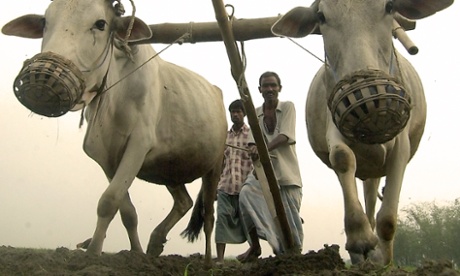
- The MDG1 poverty target has been met. The world has reduced the percentage of the population living in extreme poverty (less than $1.25 a day) from 47% in 1990 to 22% in 2014.
- The absolute number of people living in extreme poverty has declined from 1.92 billion in 1990 to 1.01 billion in 2010.
- China has brought down the percentage of its population living below the poverty line from 60.2% in 1990 to 11.8% in 2009.
- 74 countries halved their poverty rates, making this target the most met among the goals.
- 10 of the 74 countries that have met MDG1 have less than 2% of people living below $1.25 a day.
- About 173 million fewer people worldwide suffered from chronic hunger in 2011–13 than in 1990–92.
- Between 1992 and 2004, undernourishment among under three-year-olds fell from 18.7% to 11.3%.
- People employed in “vulnerable work” (typically jobs with very low wages, no job security and poor labour standards) decreased by 2.8% between 2008 and 2013
- Global food consumption has increased. The average number of calories consumed per person, per day has risen from 2,655 in 1984 to 2,940 in 2015.
- Cereal production grew from 1.7bn metric tonnes in 1990 to 2.8bn in 2013.
- India and China lifted 232 million people out of poverty between 2008 and 2011.
- East Asia’s poverty rate fell from nearly 60% to less than 20% between 1990 and 2013.
- Stunting in under-fives has decreased globally from 40% to 25% since 1990.
- Financing schemes in Bangladesh and Nigeria are credited with nearly doubling agricultural outputs and farmers’ incomes.
- All these gains have been made while global population has continued to rise, from 5.28 billion people in 1990 to 7.1 billion people in 2013.
What would you add to this list? Are there any MDG1 success stories where you live? Post your thoughts in the comment thread below.