The American Dream typically includes a home with a white picket fence, but what happens when younger generations can only afford the fence?
A new research paper has found the millennial generation is giving up on the thought of ever buying a house with experts estimating fewer will live out the American Dream of becoming homeowners.
Economists Seung Hyeong Lee of Northwestern University and Younggeun Yoo of the University of Chicago recently published a paper looking at homeownership rates of Americans born in the 1990s and how their attitudes toward homeownership may affect their behavior.
Lee and Yoo estimate just about 74 percent of people born in 1990 will become homeowners by retirement, a 9.6 percent decline from the nearly 84 percent of people born in 1950 who have bought a house.
Millennials range in age from 29 to 44 years old and were born between 1981 and 1996, but this study focuses on those born in the 1990s.
About 15 percent of the U.S. population has already given up on homeownership by the age of 30, the researchers found.
The median price of a home in November was $433,275, which is up 0.7 percent compared to last year, according to real estate brokerage Redfin. The average 30-year fixed-rate mortgage as of last Thursday was 6.21 percent, down from 6.72 percent at the same time last year, according to mortgage buyer Freddie Mac.
Lee and Yoo’s paper, fittingly called “Giving Up,” found that as the belief in being able to buy a house falls, respondents consume more relative to their wealth, put less effort into their jobs and make riskier investments.
But just because millennials may be spending more, it doesn’t mean it’s all going toward avocado toast, something Australian real estate mogul Tim Gurner suggested in 2017.
Stefanie DeLuca, a sociologist at Johns Hopkins University, said in a Washington Post article about Lee and Yoo’s paper, “If you’re not saving and deferring to buy a house, you’re spending it on other kinds of enrichment activities for your kids, supporting folks in your family who are going through a tough time.”
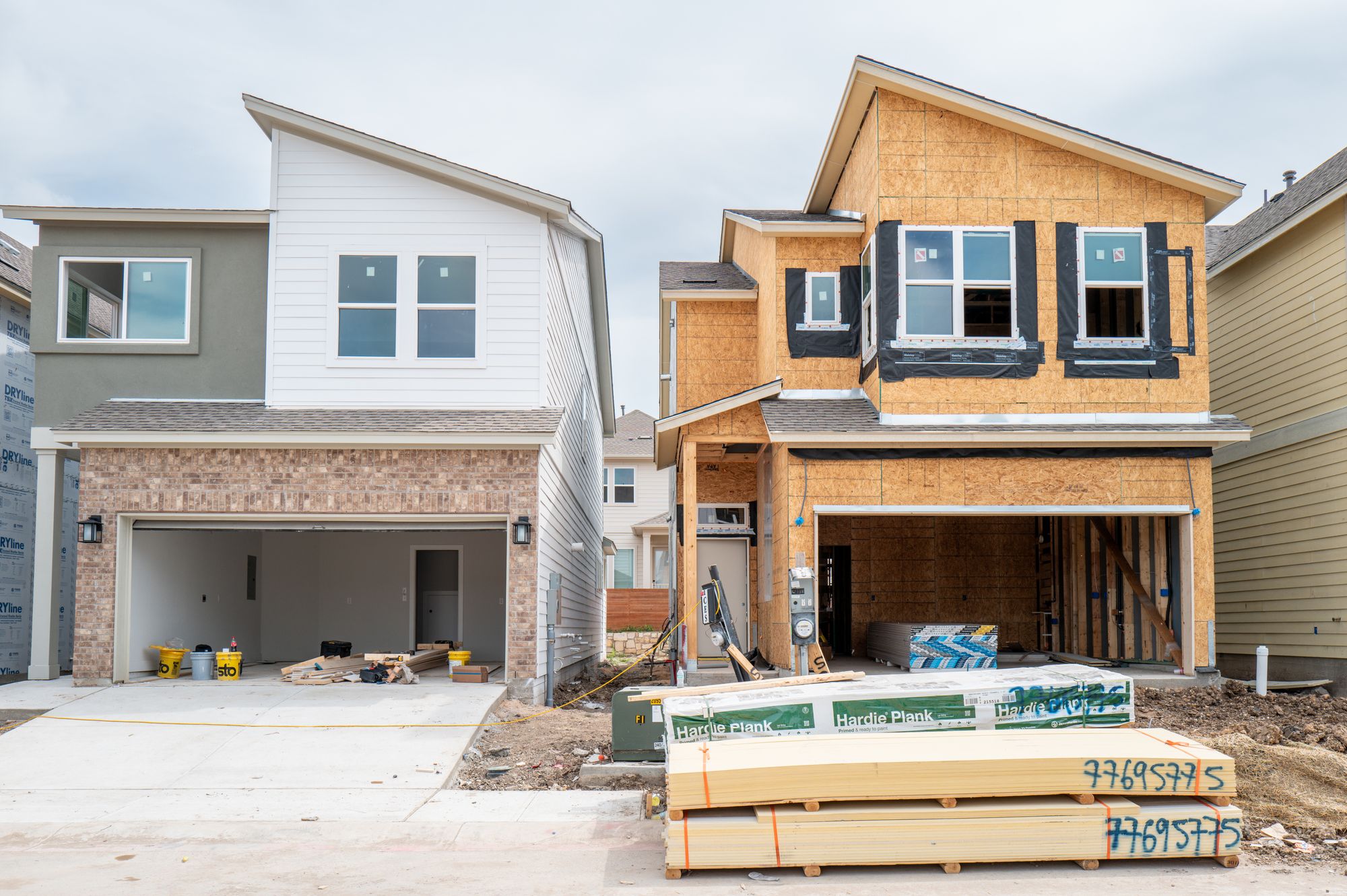
In their paper, Lee and Yoo propose the implementation of a subsidy “that focuses on households near the margin of giving up on homeownership.”
There are already thousands of government assistance programs to help people struggling to afford buying a home, according to Down Payment Resource CEO Rob Chrane.
“I don’t think we need more programs. I think we need a better job of communicating the programs,” he told The Washington Post.
Moody’s economist Cristian deRitis warned of a bigger problem at hand — there are not enough homes to go around.
“By our calculation, we need to add 2 million housing units to the economy,” the expert told the publication.
But Redfin said the number of homes for sale did increase 4.7 percent in November, compared to the same time last year.