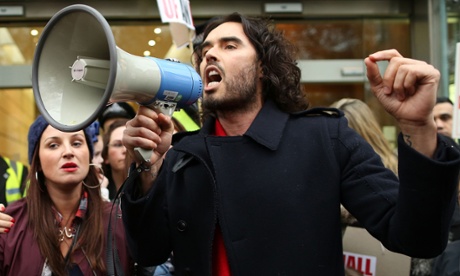
Russell Brand’s interview with Ed Miliband might stop short of the comedian endorsing the Labour leader, but will the association help Labour’s cause in what is shaping up to be the closest-run election in modern times? There’s a long history of brands as well as politicians using celebrity endorsements to both good and bad effect. Here we take a look at the good, the bad and the ugly.
1. John Cleese
He’s best known, of course, for Monty Python and Fawlty Towers, but the actor and comedian has been a long-time supporter of the Liberal Democrats and has appeared in party political broadcasts for them. Whether he ever helped the Lib Dems increase their share of the vote is debateable, as they have consistently been eclipsed by Labour and Conservatives in general elections. If anything, the 2010 election proved that the TV leaders debates achieved far more in raising Nick Clegg’s profile.
2. Martin Freeman
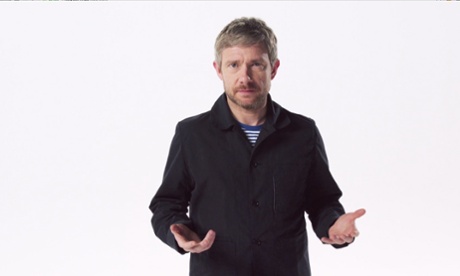
An everyman who also happens to be hugely well known through roles in The Hobbit and The Office, Freeman probably struck Labour Party HQ as the ideal celebrity endorser: instantly recognisable but also the type of person your average voter could relate to. However, celebrity endorsers run the risk of being accused of failing to practise what the preach – the Daily Mail revealed that Freeman sent his son to a private school, which it argued was hypocritical.
3. Kenny Everett
It was perhaps the most unlikely of political endorsements: the anarchic, fun-loving Radio 1 DJ and TV personality Kenny Everett was a darling of the showbiz world, but in 1983 he addressed a Young Conservatives rally. Wearing giant foam hands he jokingly shouted from the podium “Let’s bomb Russia!”, to whoops and cheers. Whether it swung many voters is for political scientists to argue over, but what was interesting was not so much the extent to which his stardust rubbed off on the Conservative brand, but how the Conservative brand tarnished him in the eyes of many left-leaning fans and fellow comedians.
4. Sean Connery
The man who, as James Bond, seemed to personify stereotypes of British identity has, in real life, been a long-time supporter of the Scottish National Party. He would no doubt have played well with the SNP’s core vote, but his endorsement highlighted the risk of securing backing from someone who doesn’t live in the country they profess to love. Comics have often joked that Sir Sean has phoned in his support for the SNP from his home in the Bahamas, and the Daily Telegraph suggested his absence could be for tax reasons.
5. Red Wedge
Remember them? Probably not. This was the collective of musicians led by Paul Weller in the 1980s to encourage people to vote Labour. That was the theory. In practice, while the Conservatives were wooing aspirational swing votes who liked Duran Duran, here was Paul Weller being shouty and, ultimately, a turn-off.
6. Stephen Hawking
The world’s most famous living scientist has in the past few days said he will vote Labour, given their policies on science and the NHS. Quite an endorsement, which might also reach a new generation of voters who have become more familiar with Hawking through the recent film about his life, The Theory of Everything. But with Labour already ahead when it comes to the NHS, and with the economy still central to the election, will this swing the crucial undecided voters?
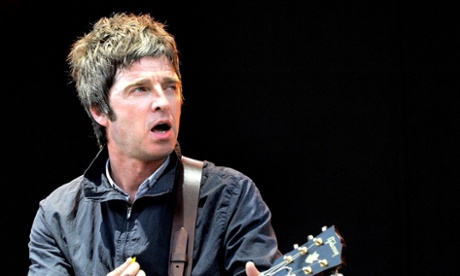
7. Noel Gallagher
At the height of Britpop, the Oasis star addressed the Brit Awards backing Tony Blair. After the election, Gallagher was one of the many celebrities invited to 10 Downing Street to celebrate Cool Britannia. His endorsement would undoubtedly have made New Labour look like the party of the zeitgeist, but it also highlights the fragility of celebrity endorsements – years later Gallagher said he regretted posing with Blair.
8. David Bowie
Bowie endorsed the “no” campaign in last year’s referendum on Scottish independence, with viewers of the 2014 Brit Awards witnessing the sight of Kate Moss accepting an award on his behalf and reading a message from him ending with “Scotland, stay with us”. Scotland did of course stay, but with no noticeable movement in the polls between Bowie’s remarks and referendum day, it doesn’t seem his intervention made much difference.
So taking all the above into account, will Brand’s chat with Miliband lend the Labour leader the type of street cred that will persuade Brand-fans to support Labour?
There is one problem: if you haven’t already registered to vote in the election, it’s now too late. Perhaps Brand and Miliband should have done that interview earlier.
Chris Calland is a reputation management and corporate communications adviser at Hanover Communications. He tweets @cncalland
To get weekly news analysis, job alerts and event notifications direct to your inbox, sign up free for Media Network membership.
All Guardian Media Network content is editorially independent except for pieces labelled ‘Advertisement feature’. Find out more here.