A baby’s arrival is almost always celebrated in families. However, sometimes, the little ones arrive a little too early. One in 10 babies in the U.S. is born prematurely, but with adequate care and lots of love from their family, they can have as beautiful and as full a life as anyone. Though not all babies are so lucky.
Some premature babies have grandparents who can’t respect the boundaries set by their parents. Recently, one mom shared a story of how her MIL criticized her and her husband for protecting their child and their other parenting decisions. Feeling torn, she asked for advice on whether it would be too cruel to rob her child of a relationship with his grandparents or if they should continue to suffer the constant criticism for his sake.
A new mom of a preemie baby found it increasingly hard to deal with her opinionated MIL
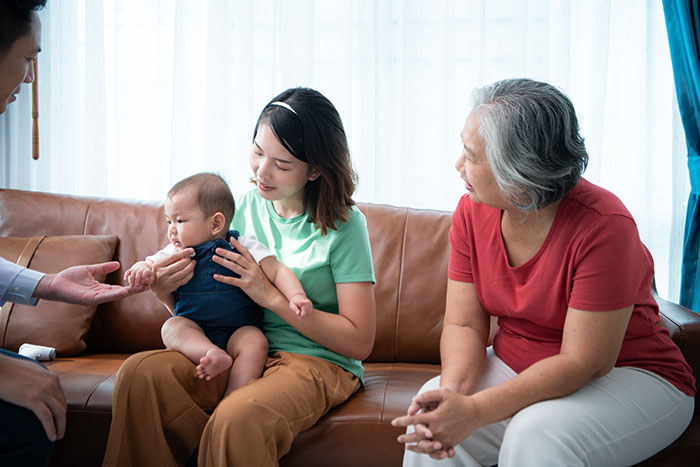
Image credits: wosunan (not the actual photo)
She wanted her son to have a relationship with his grandparents, but the constant criticism and drama were becoming too much
Image credits: Wavebreakmedia (not the actual photo)
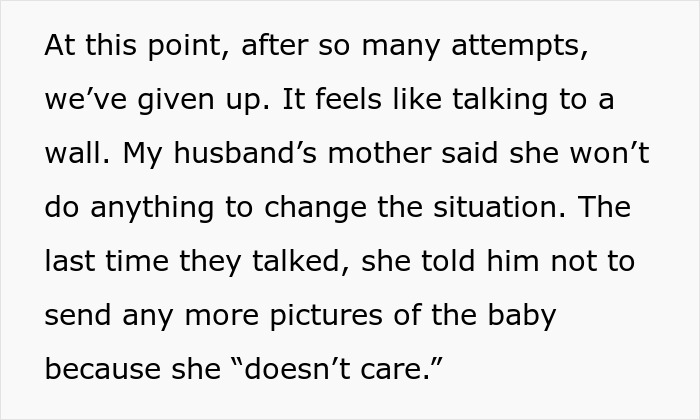
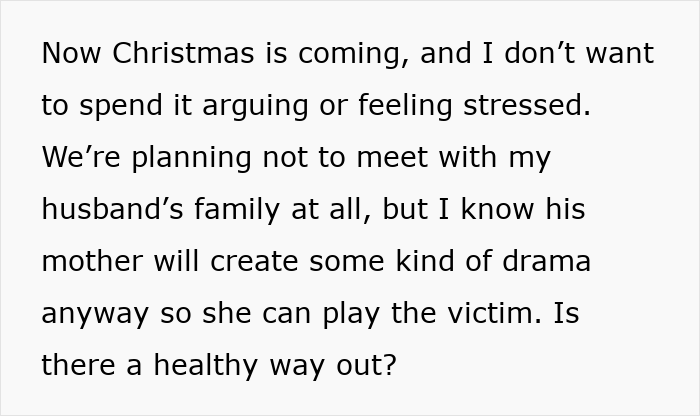
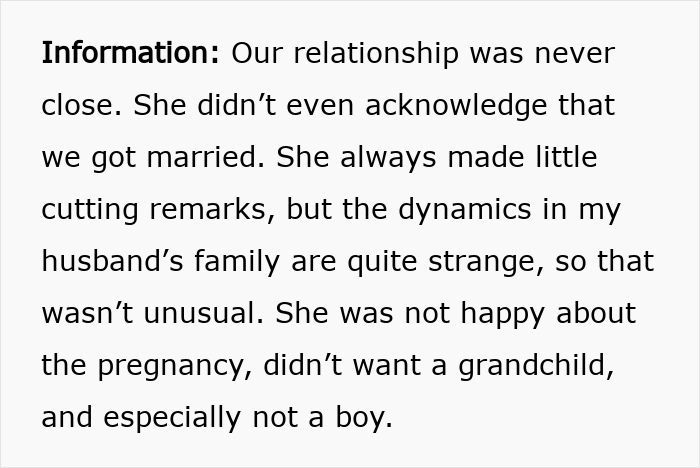
Image credits: Drama-Lllama3691
It’s normal for parents to limit who visits their premature baby in the NICU, and after taking him home
It’s understandable that grandparents want to touch and hold their grandchild as soon as they can. But, given that the baby was a preemie in this story, the parents’ no-touch boundaries were reasonable. Touching can be dangerous for preemies as they have weaker immune systems. If they have been sick with something like pneumonia, parents are right to worry.
Generally, babies who are born too soon, for example, before 35 to 36 weeks, spend their first weeks in the NICU (Neonatal Intensive Care Unit). The NICU comes with certain rules, especially concerning visitors.
According to UMass Memorial, the baby’s siblings and grandparents can sometimes be allowed into the NICU. In some cases, short visits are okay, but it’s all a precaution so that the baby doesn’t develop an infection or doesn’t get too excited.
In a booklet for grandparents with premature grandchildren in the NICU, the Aneurin Bevan University Health Board in Wales recommends respecting the parents’ wishes. While it may be hard, it’s advised to put the parents’ (their children’s) needs before their own.
“Many NICU mums are upset that anyone at all is holding their baby, and they have to watch nurses and doctors doing everything that they wish they were doing,” the experts say. So one thing they can control is who else gets to hold their baby, and sometimes they don’t want anyone else to. It’s normal, so please respect it.”
And even when the parents bring the baby home, it’s best to limit visitors. After the preemie is finally home, it’s recommended to avoid public places. Until the baby’s immune system gets stronger, parents should also avoid:
- having visitors who are ill
- having someone smoke inside the house
- letting visitors touch the baby without washing their hands first.
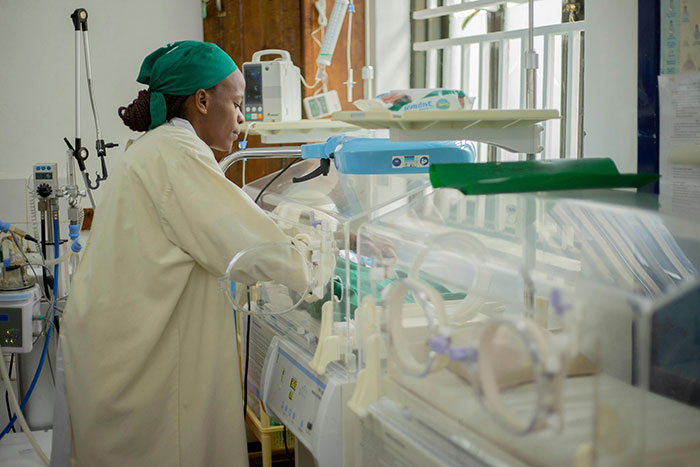
Image credits: Speak Media Uganda (not the actual photo)
Touch is incredibly important for preemies, but it should be done with caution and supervision
As mentioned above, touching premature babies should be done with caution so they don’t develop infections. But preemies are more delicate and fragile than regular babies, so parents and grandparents need to be especially gentle and careful when they touch them.
While the preemie is still in the incubator in the NICU, parents can often only hold out their fingers for their baby to touch. Some babies might have fragile skin, so even patting or stroking might not be recommended. However, if the nurses and doctors give parents a clear, gentle, sustained touch, it is okay.
A common technique for holding premature babies is “containment holding.” It’s when someone cups their hands around the baby’s head and feet and applies very gentle pressure. The position is similar to how the baby feels in the womb, with the hands acting as the walls of the womb, simulating a safe environment and providing comfort.
When the baby is ready and the doctor deems it safe, skin-to-skin contact is crucial for the baby to bond with its parents. It also helps preemies maintain normal blood oxygen levels, aids in their brain development, and helps them gain weight gradually.
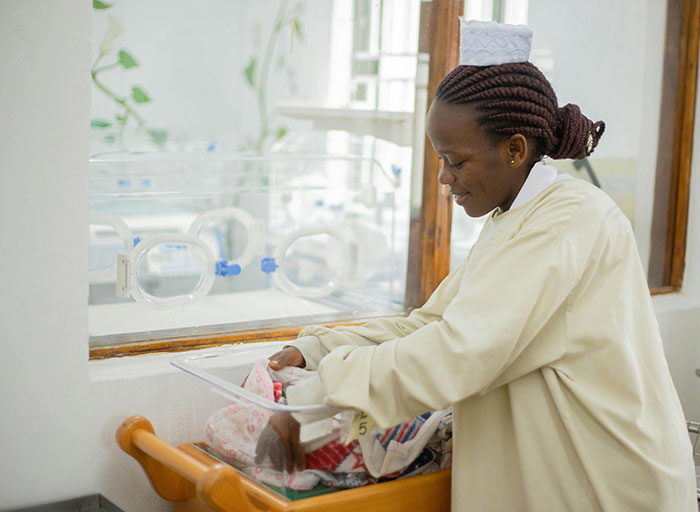
Image credits: Speak Media Uganda (not the actual photo)
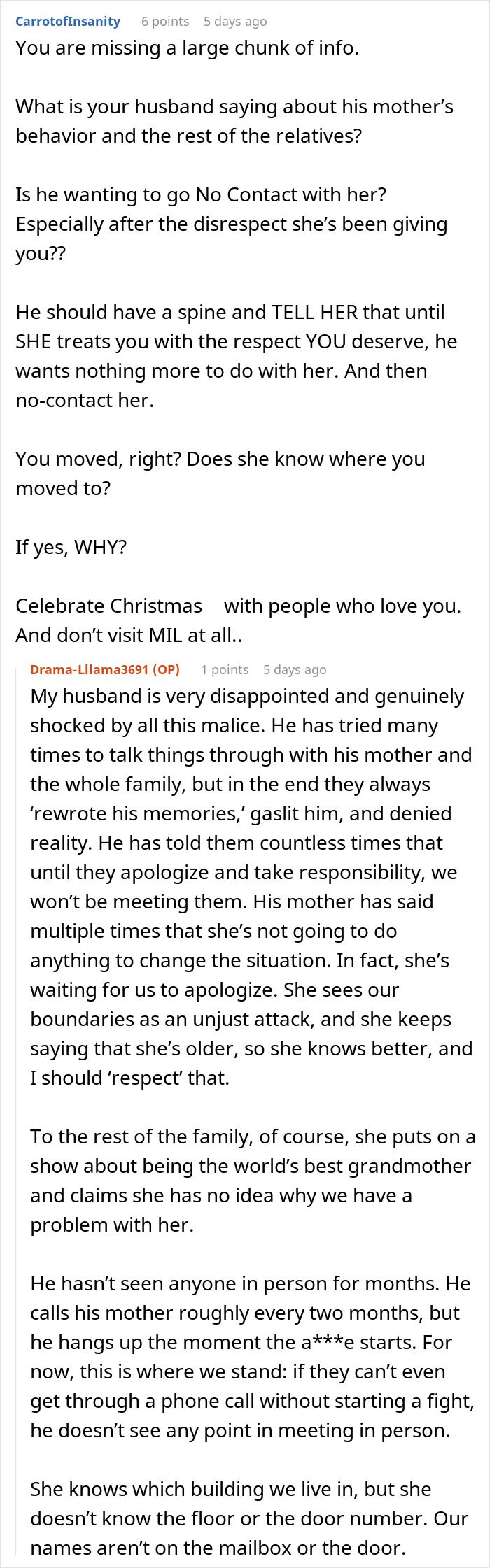
“She sees our boundaries as an unjust attack, and she keeps saying that she’s older, so she knows better, and I should ‘respect’ that,” the mom added
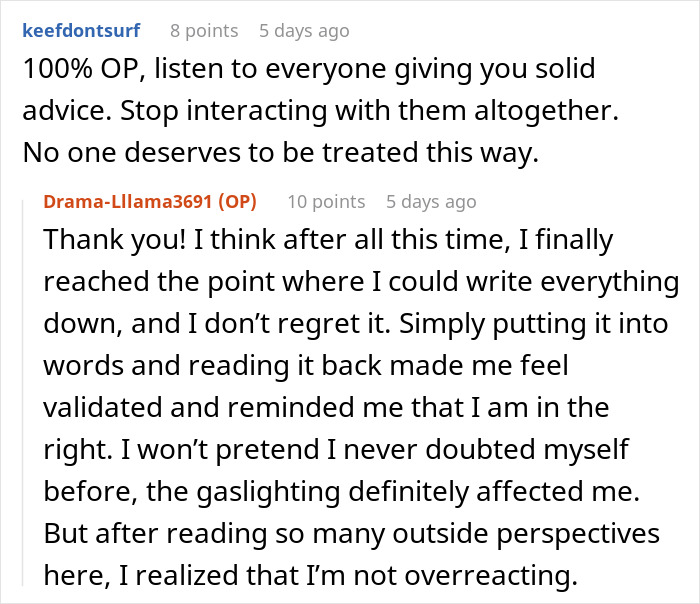
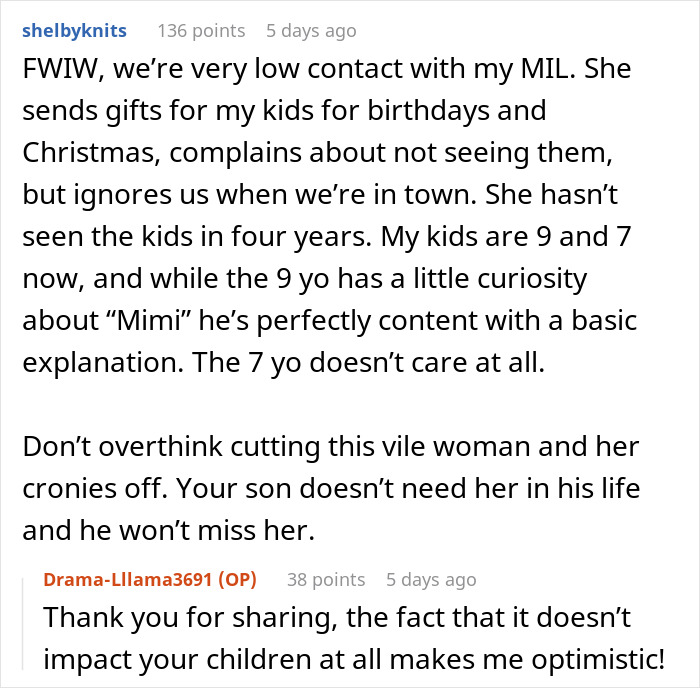
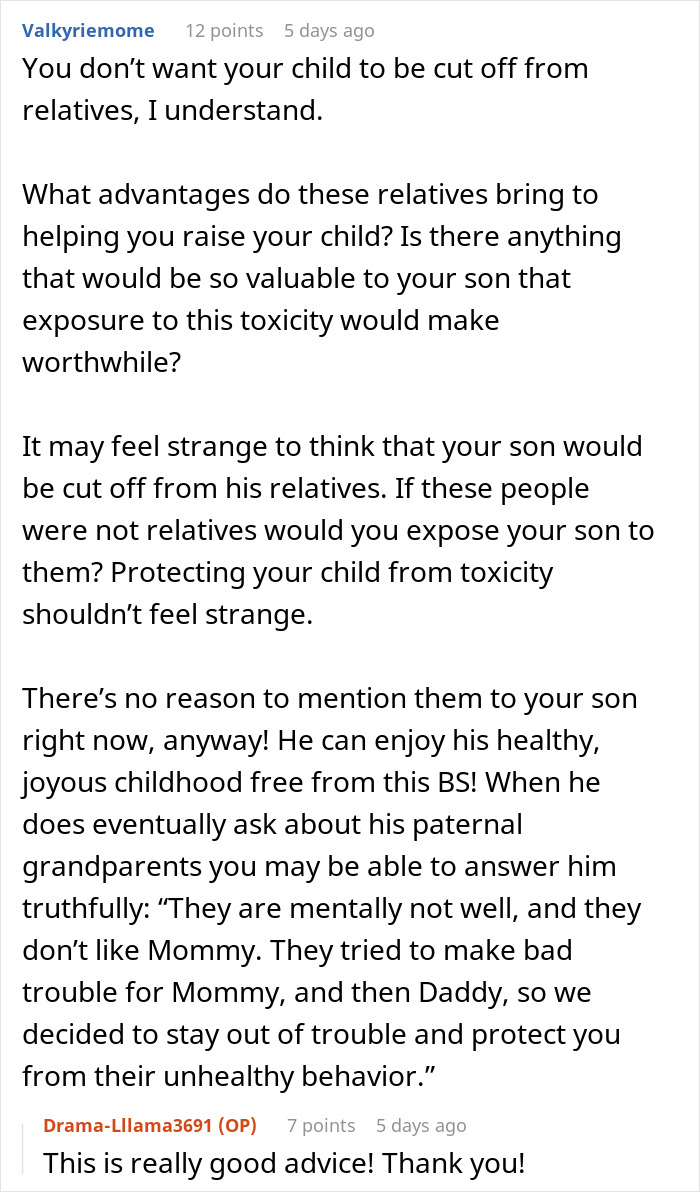
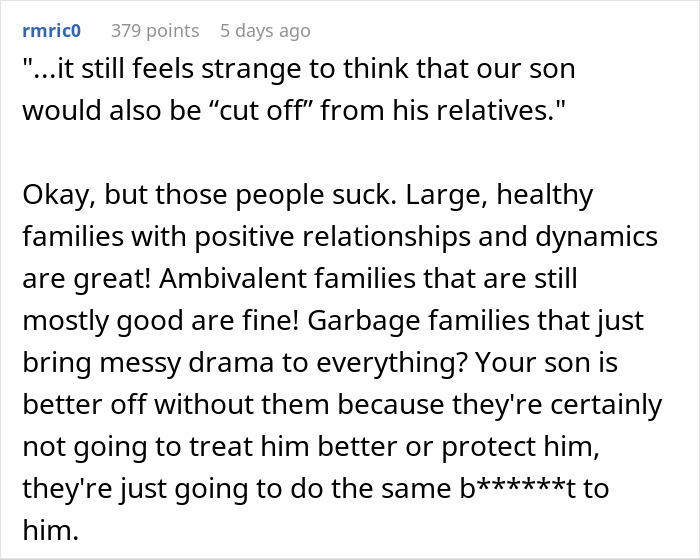
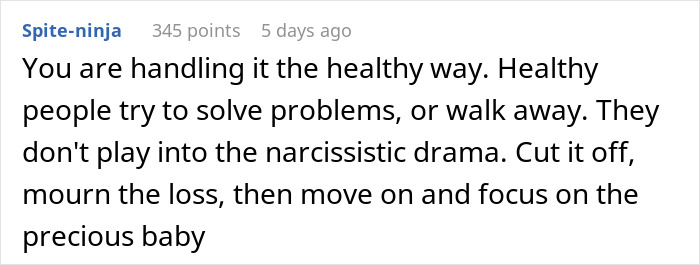
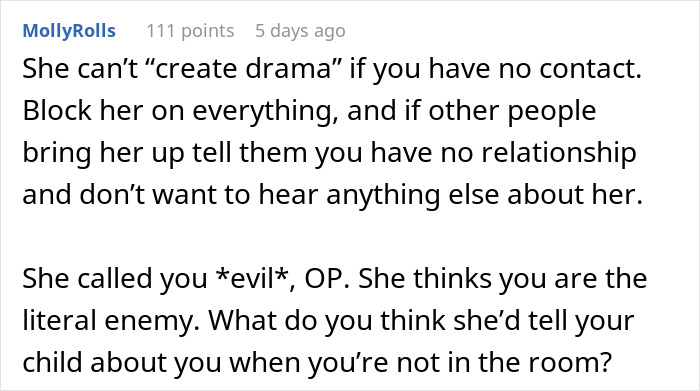
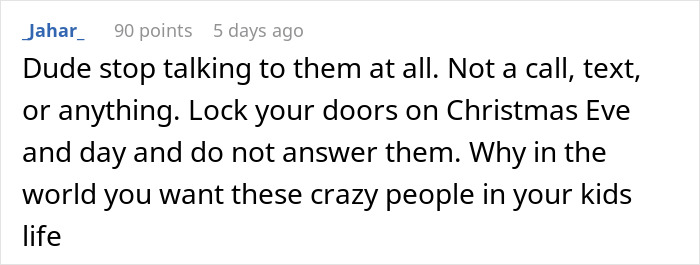
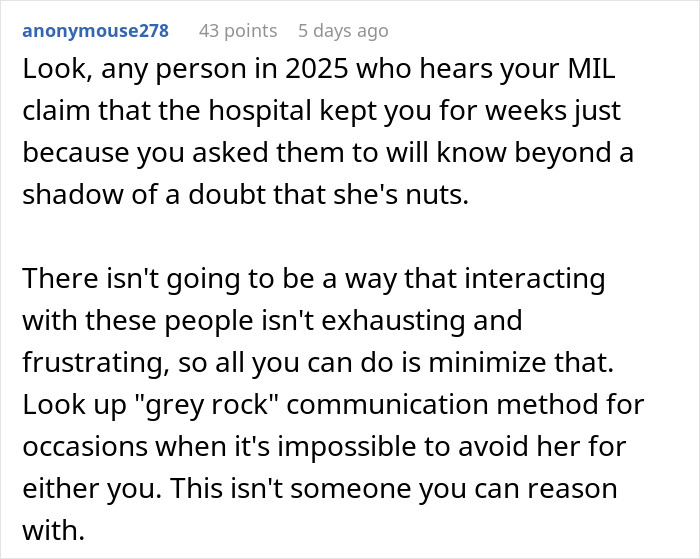
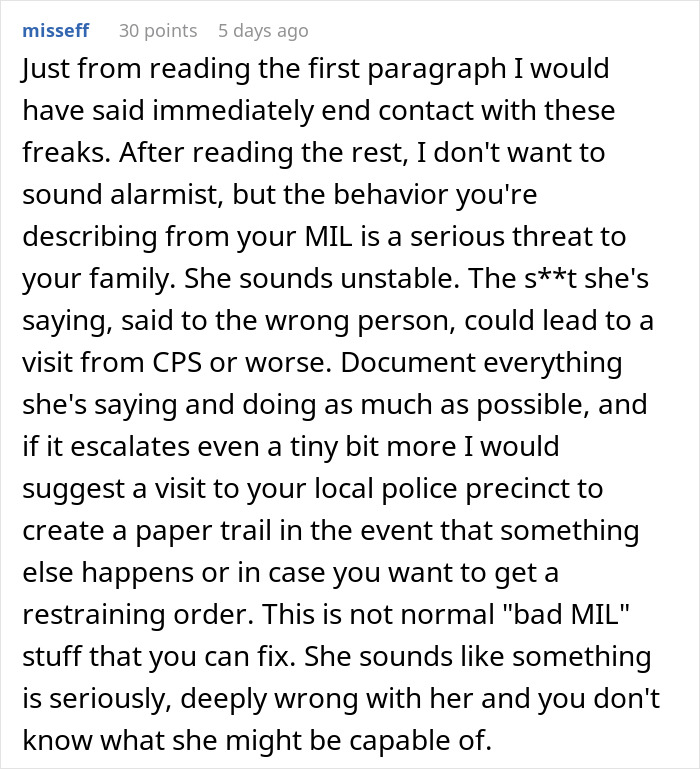
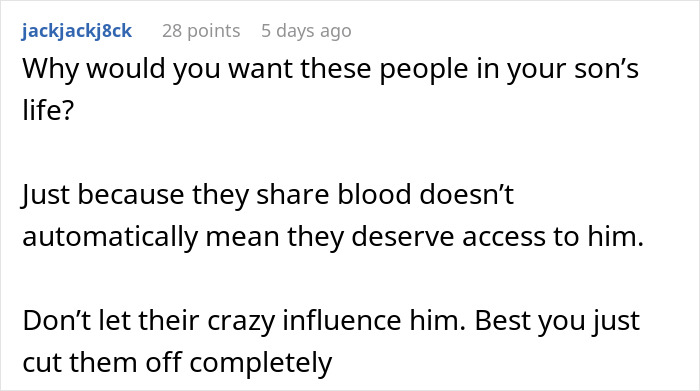
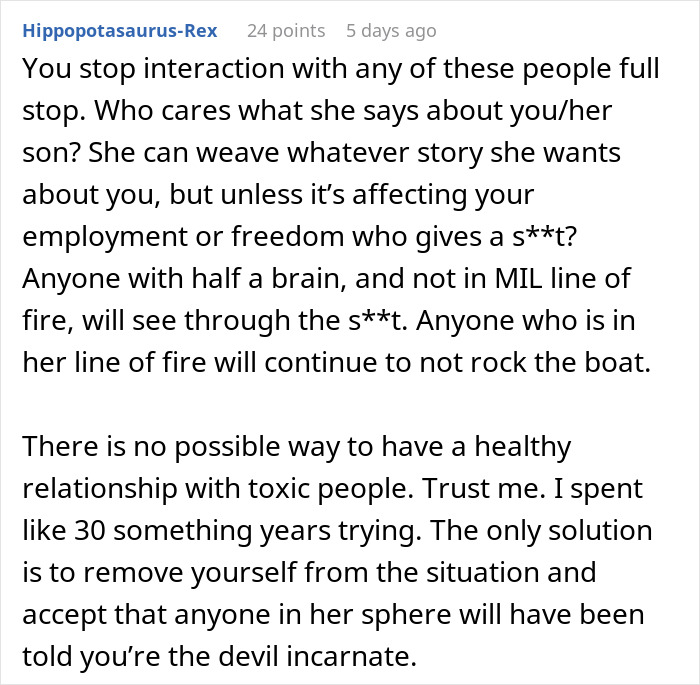
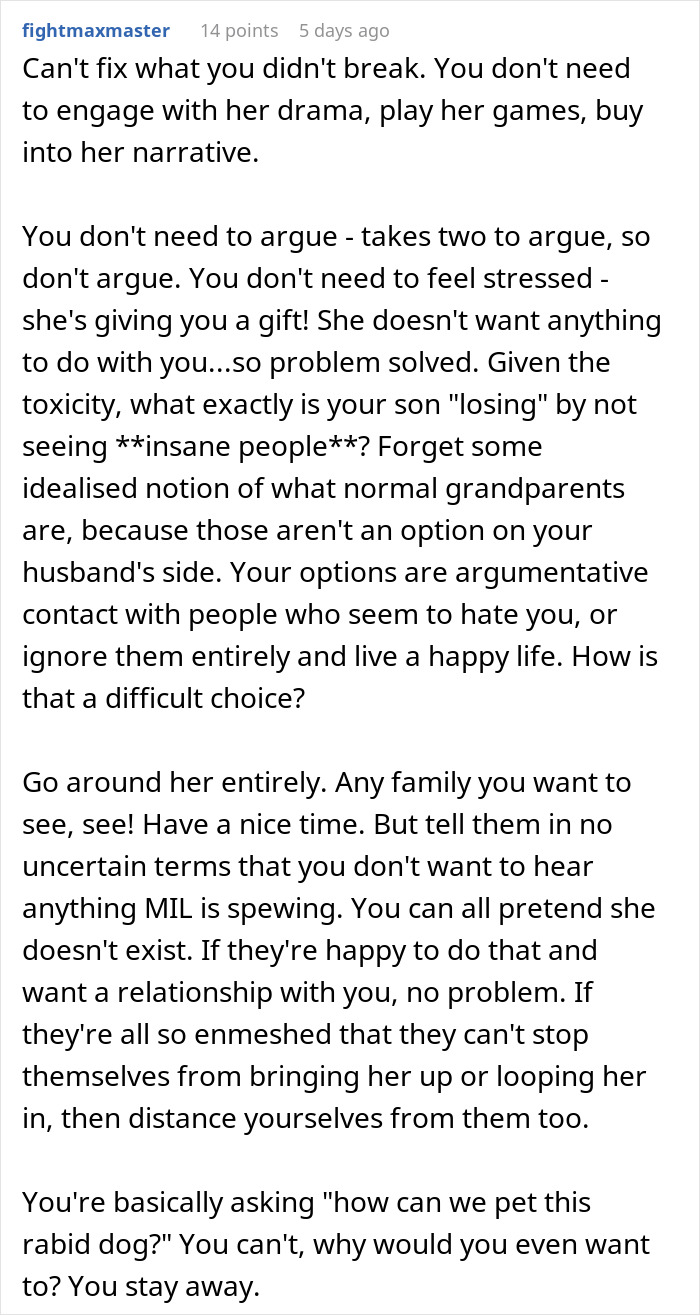
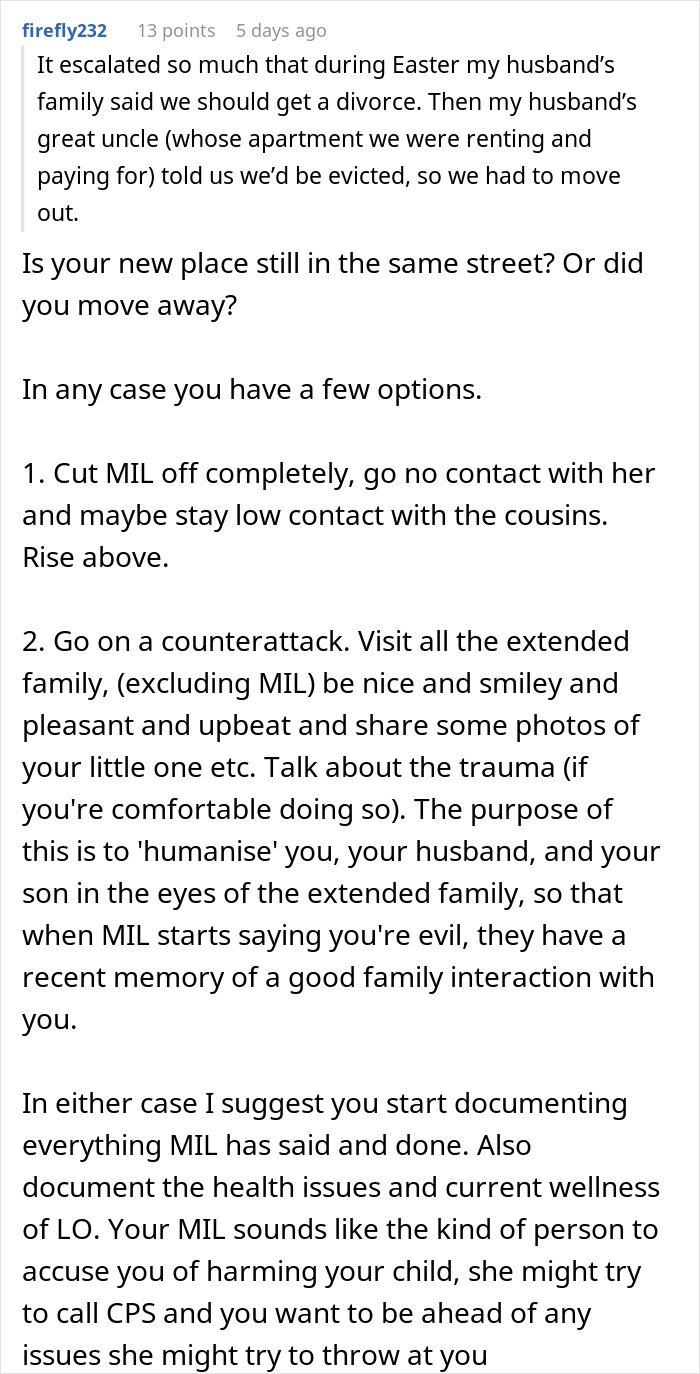
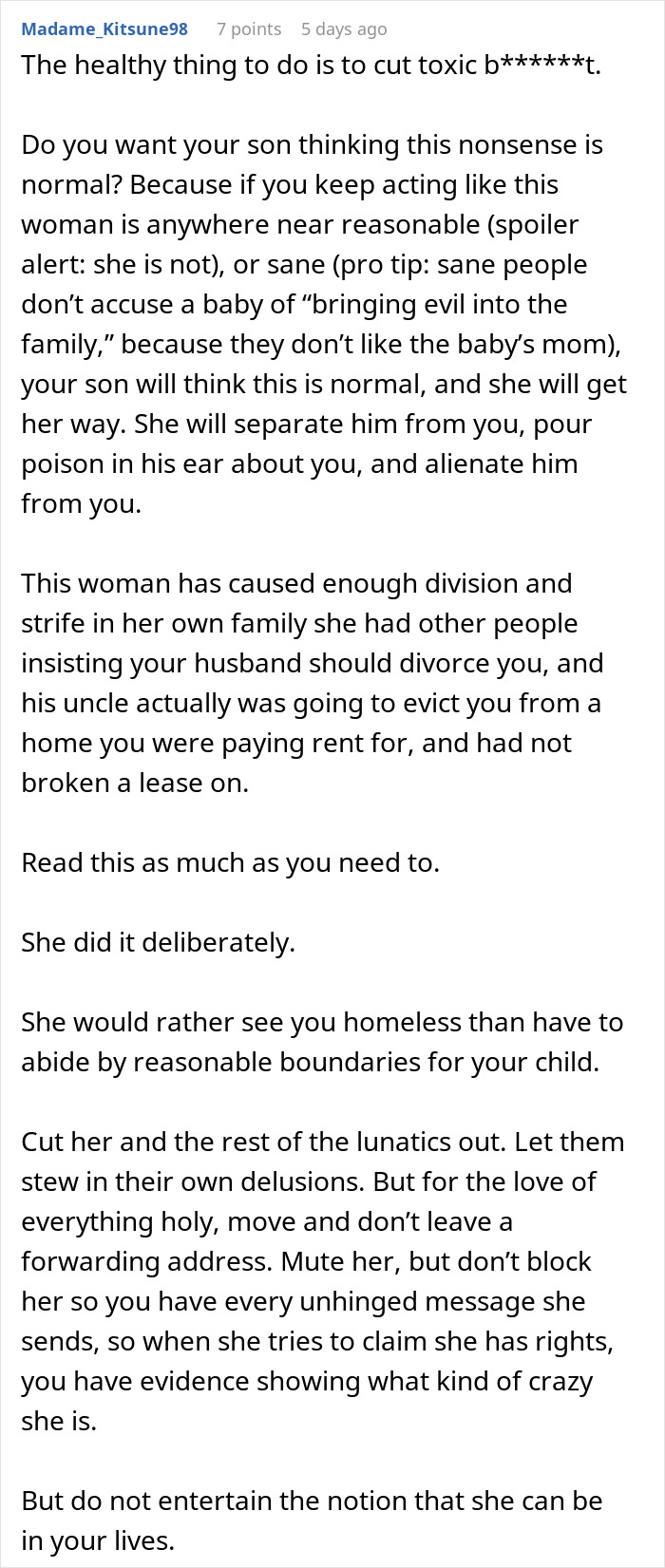
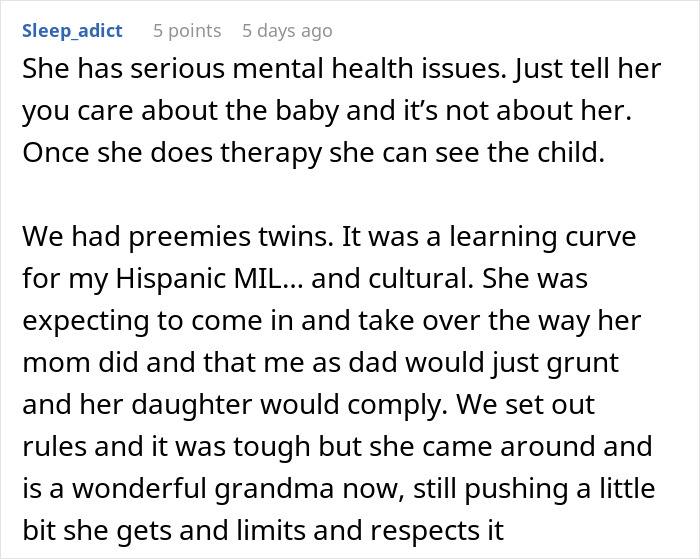
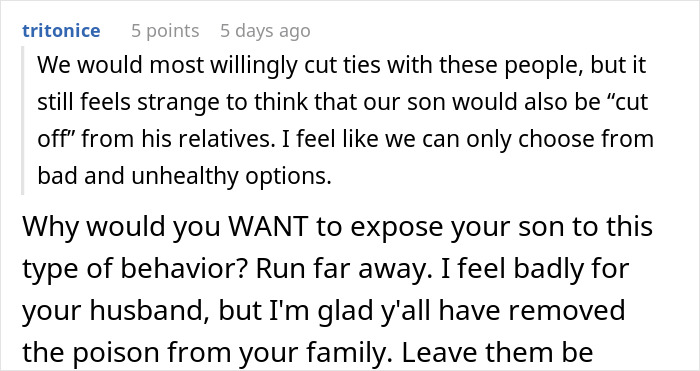
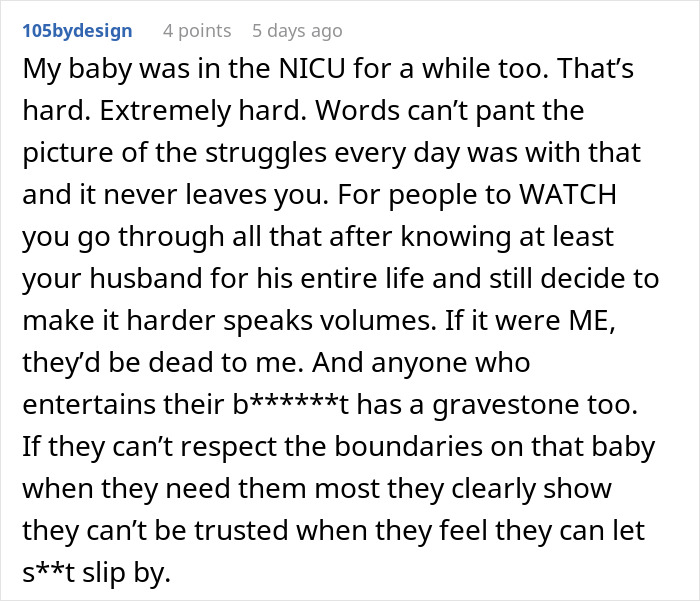
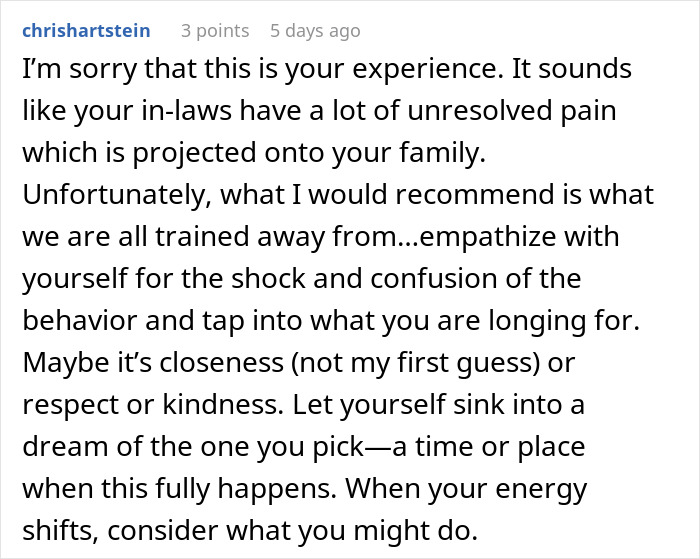
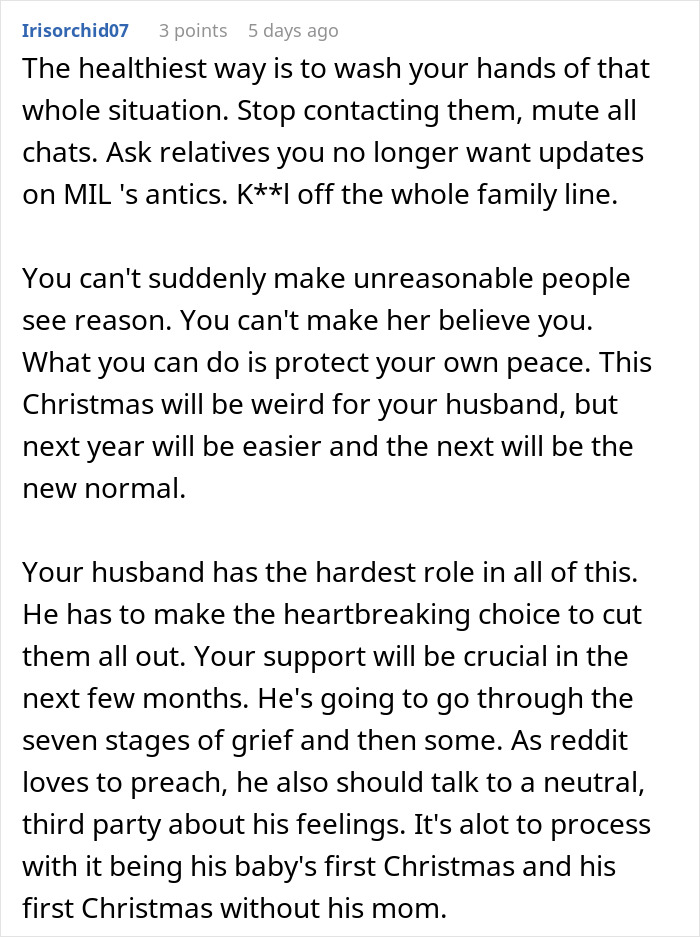
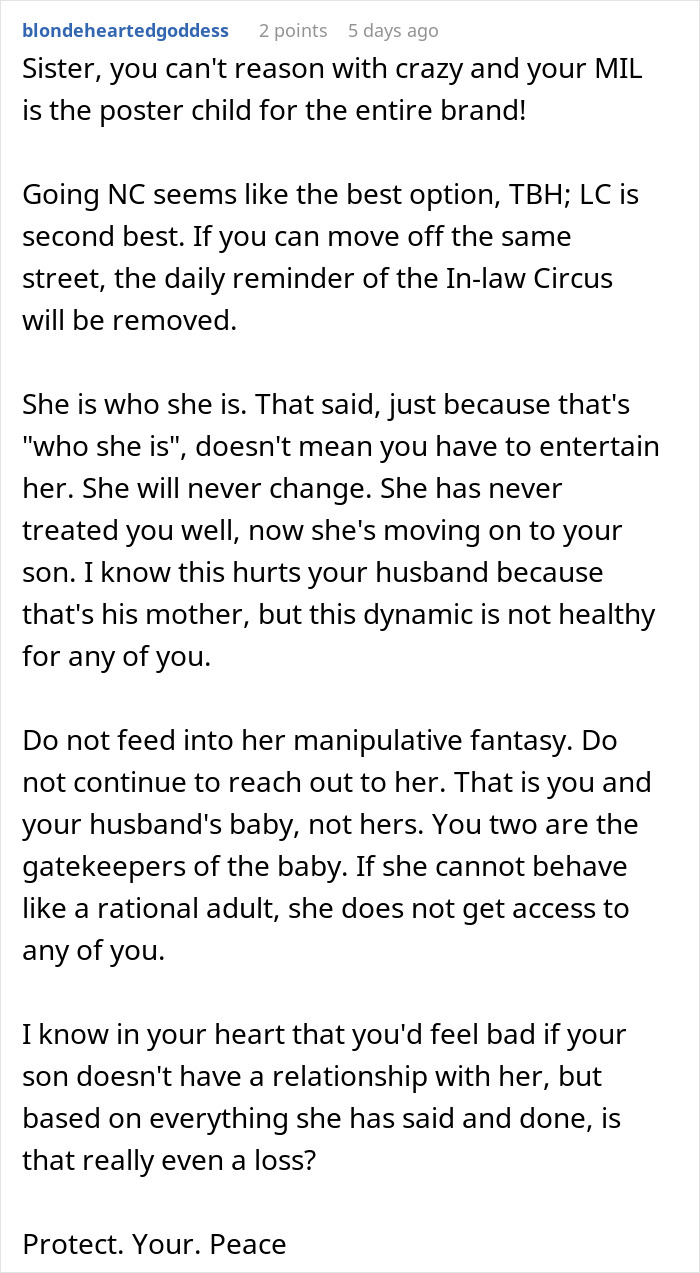
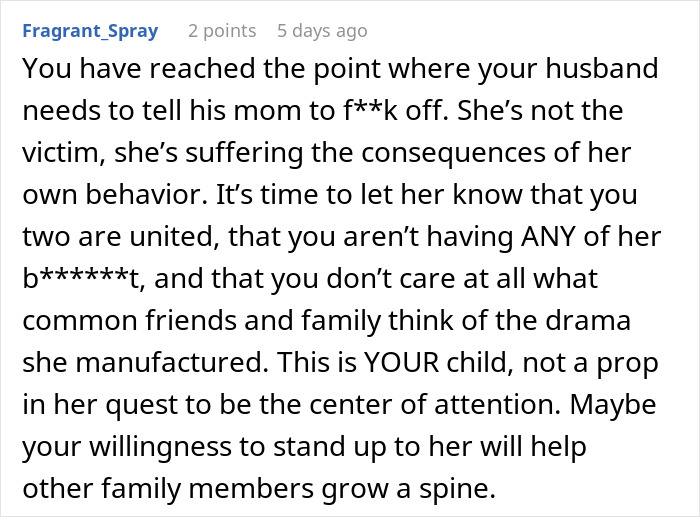
Commenters shared similar stories and urged the parents to cut contact: “Your son is better off without them”