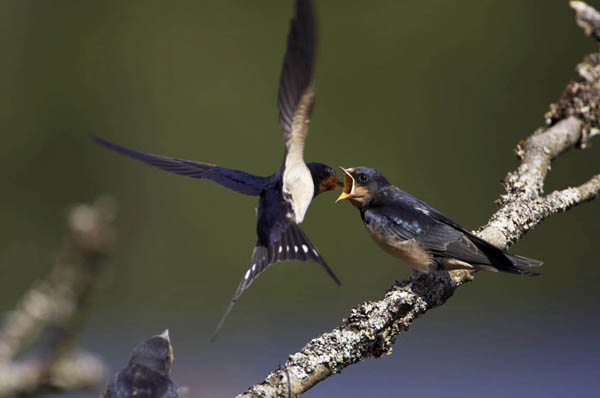
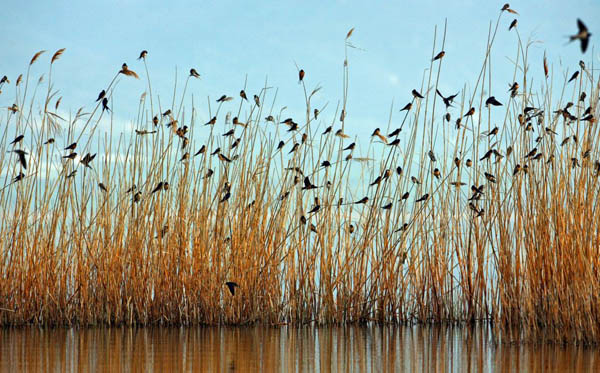
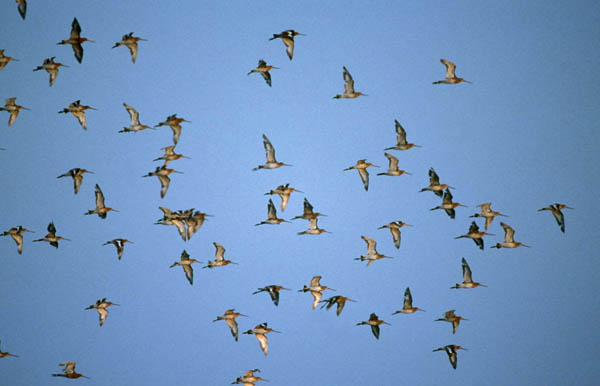
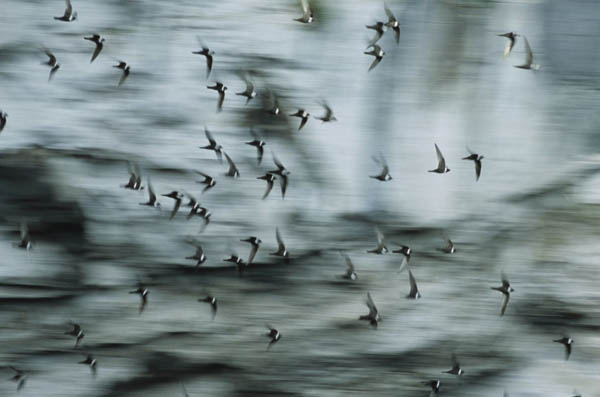
European swallows spend the winter in Africa south of the Sahara, in Arabia and in the Indian sub-continent, while British swallows spend their winter in South Africa Photograph: Philip Price/SplashdownDirect/Rex FeaturesMigrating swallows can cover 200 miles a day, mainly during daylight, at speeds of 17-22mph. The maximum flight speed is 35mph Photograph: Georgi Licovski/EPAThe bar-tailed godwit is a large wading bird, which breeds on Arctic coasts and tundra and winters on coasts in temperate and tropical regions in the southern hemisphere. It makes the longest non-stop flight known for any bird and also the longest journey without pausing to feed by any animal (7,189 miles) from Alaska to New ZealandPhotograph: Delfino/Sunset/Rex Features
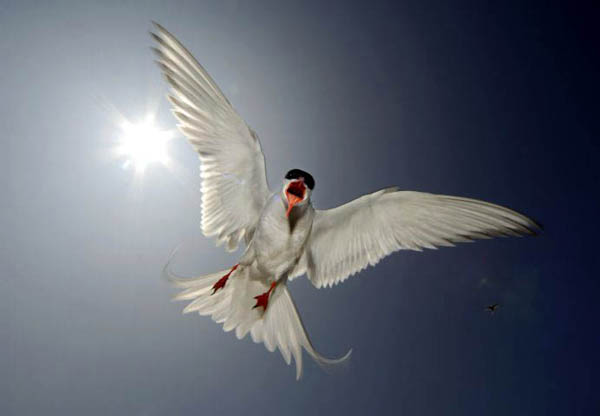
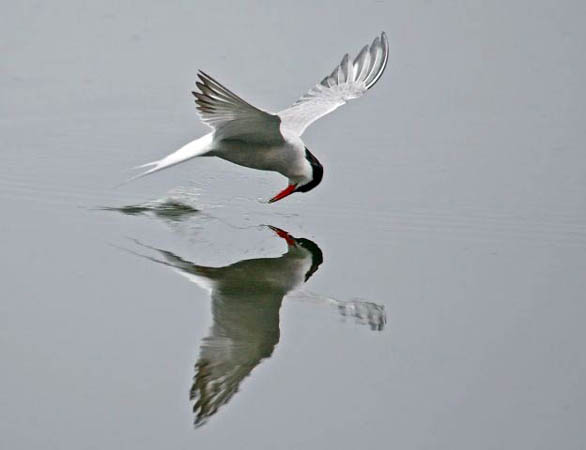
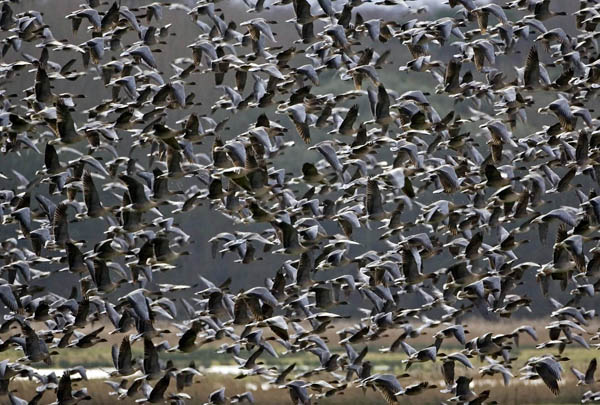
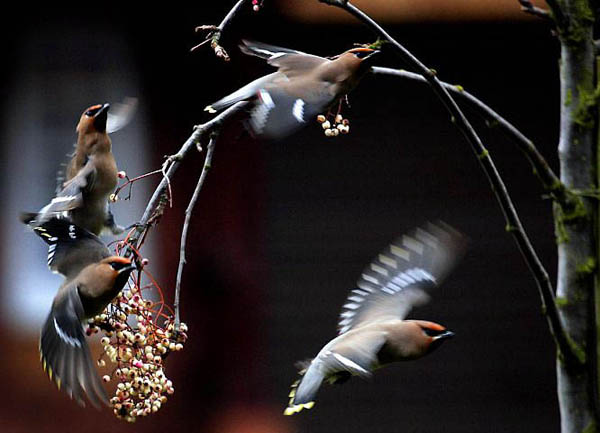
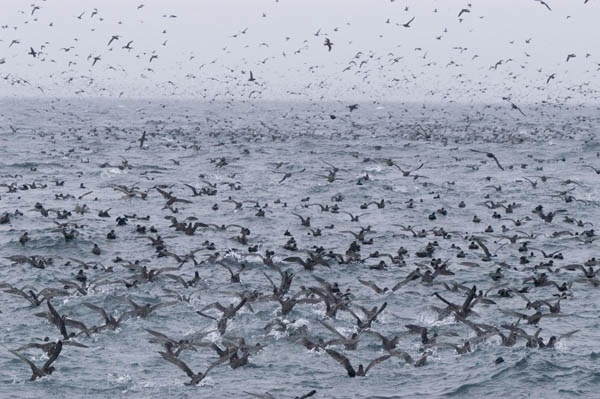
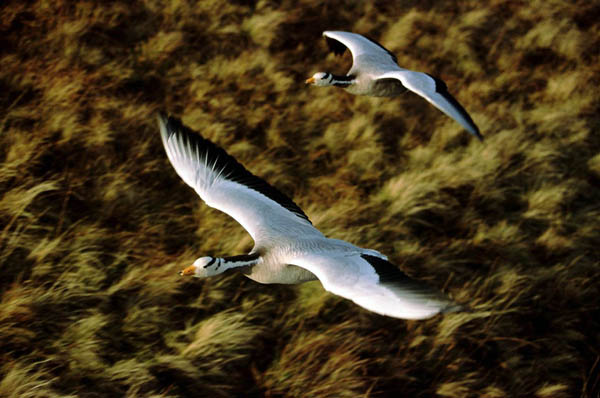
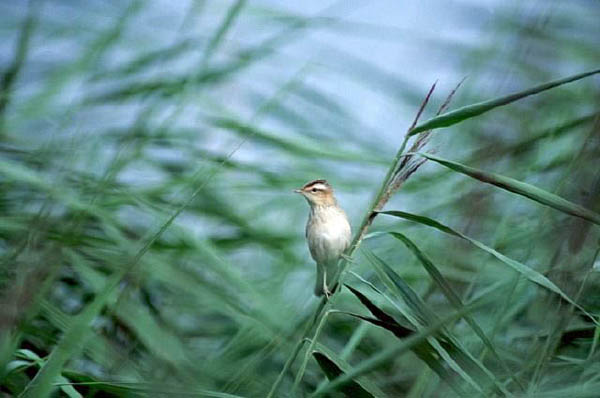
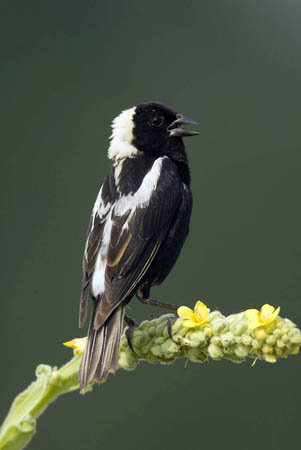
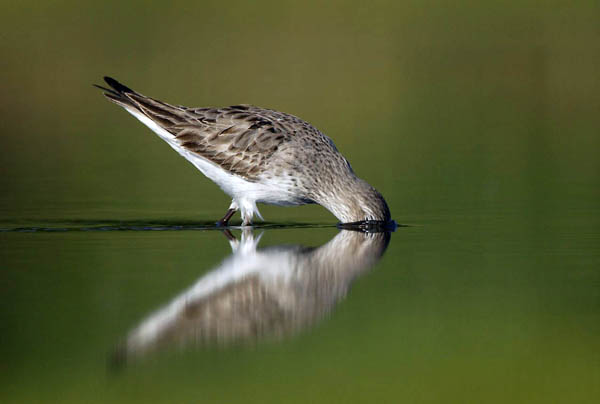
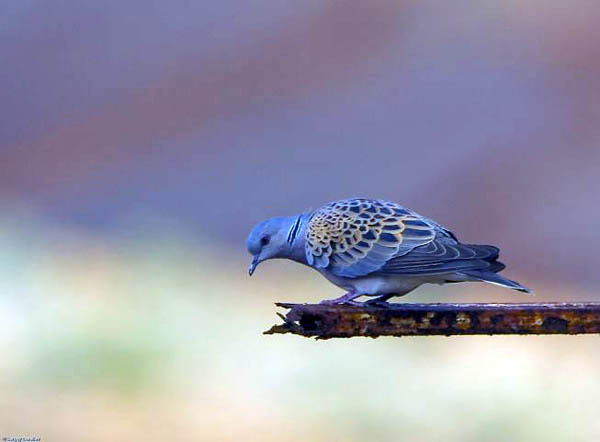
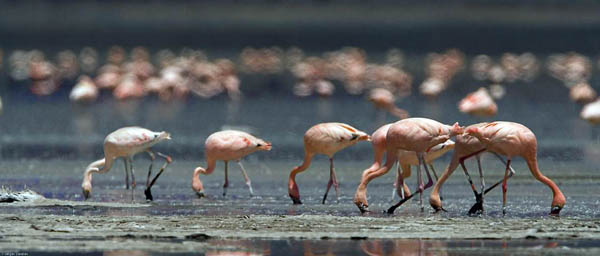
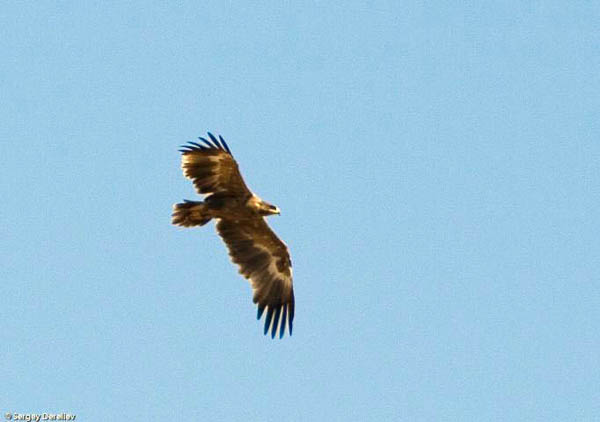
Swifts have a worldwide distribution in tropical and temperate areas, but like swallows and martins, the swifts of temperate regions are strongly migratory and winter in the tropicsPhotograph: National Geographic/GettyThe Arctic tern breeds colonially in Arctic and sub-Arctic regions of Europe, Asia and North AmericaPhotograph: Andrew Parkinson/CorbisThe Arctic tern is strongly migratory, seeing two summers each year as it migrates from its northern breeding grounds to the oceans around Antarctica and back (about 24,000 miles) each year. This is the longest regular migration by any known animalPhotograph: Hinrich Baesemann/dpa/CorbisThe pink-footed goose does not breed in the UK, but large numbers of birds spend the winter here, arriving from their breeding grounds in Spitsbergen, Iceland and Greenland. Numbers in England are on the increase, probably due to better protection at winter roostsPhotograph: Tim Graham/GettyWaxwings are arboreal birds that thrive around northern European forests. They live on insects in summer and berries in winter. They are not true long-distance migrants, but wander erratically outside the breeding season and move south in winterPhotograph: Darren Staples/ReutersSooty shearwaters are seabirds that do not breed in the UK, but make a huge clockwise migration up the western Atlantic in spring to spend the northern summer in the north Atlantic. In summer/autumn it moves down into UK waters on its return to the southern ocean to breedPhotograph: Flip Nicklin/Minden Pictures/GettyThe bar-headed goose breeds in central Asia in colonies of thousands near mountain lakes. It migrates over the Himalayas to spend the winter in India, Assam, northern Burma and the wetlands of PakistanPhotograph: John Downer/GettyThe sedge warbler is a summer visitor to UK shores, and winters in Africa, south of the Sahara desertPhotograph: Philip Marazzi/Papilio/CorbisBobolinks breed in open grassy fields, especially hay fields, across North America. These birds migrate to Argentina, Bolivia and Paraguay and have occasionally been spotted in the UKPhotograph: Joe McDonald/GettyThe white-rumped sandpiper breeds in the northern tundra on Arctic islands in Canada and Alaska. They are long distance migrants, wintering in South America. They are rare but regular vagrants to western EuropePhotograph: Arthur Morris/GettyThe turtle dove can be found mainly in southern and eastern England and winters in southern Africa. In the British Isles, France and elsewhere in north-western Europe it is in severe population declinePhotograph: Sergey Dereliev/UNEP/AEWALesser flamingos breed principally on the highly caustic Lake Natron in northern Tanzania, with over 500,000 visiting each summer. This habitat is under threat as developers want to build a soda ash plant on the internationally protected lake which will alter the alkaline content of the lake that the flamingos depend onPhotograph: Sergey Dereliev/UNEP/AEWAThe steppe eagle breeds from Romania east through the south Russian and central Asian steppes to Mongolia. The European and central Asian birds winter in Africa, and the eastern birds in India. Throughout its range it favours open dry habitats, such as desert, semi-desert, steppes, or savannahPhotograph: Sergey Dereliev/UNEP/AEWA
Sign up to read this article
Read news from 100’s of titles, curated specifically for you.