Migrations sees British art and identity as a 500-year dialogue with Europe, America, the Commonwealth and ex-colonies Photograph: Tate
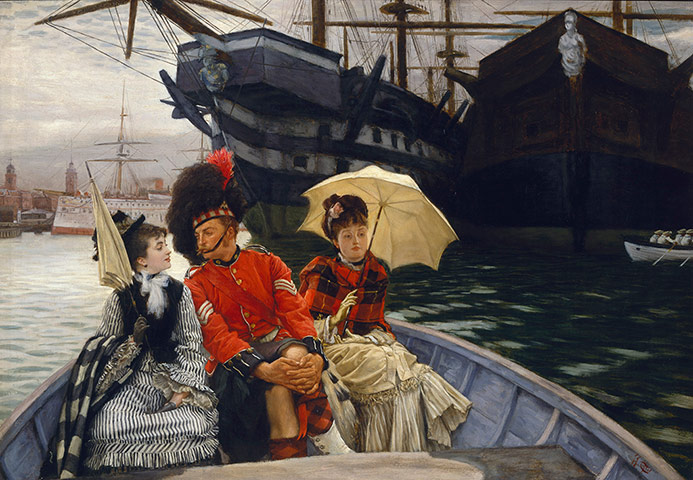
Like his friend Whistler (another incomer, from America), Tissot enjoyed painting water. For him, water was the site of human drama, choices and departures. Here, a Highland sergeant sits between two women in a skiff. Two ships behind echo the choice he is treacherously making as he turns from his plaid-shawled companion to a Renoir-ish lass lifting her face to his Photograph: Tate
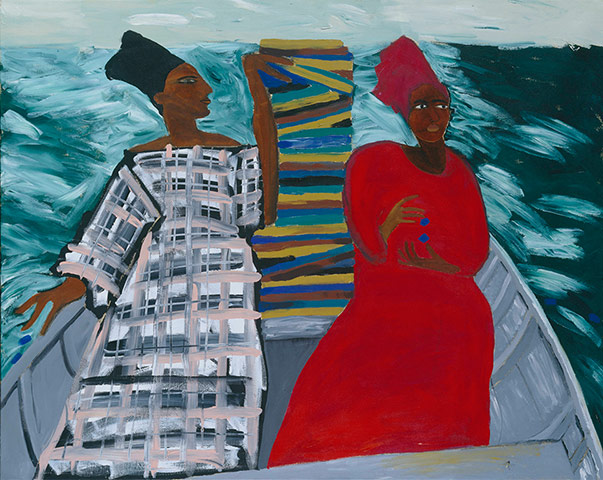
This painting by a Tanzanian-born artist reworks Tissot's Portsmouth Dockyard. Himid got rid of the harbour setting and military male: her women sit either side of a pile of papers – which possibly represent other lost migrants. "Two women in a small boat tearing up navigation charts," Himid has explained. "How many died, crossing the water?" Photograph: Tate
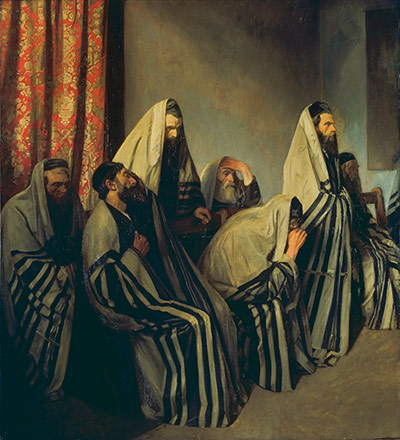
Rothenstein, who was born in 1872 and whose German-Jewish father migrated to Bradford to work in textiles, wanted to be part of the middle class of English art. In 1906, the Whitechapel Art Gallery's exhibition of Jewish art made religion the touchstone of Jewish identity, as in Rothenstein's painting Jews Mourning in a Synagogue, but claimed that Jewish artists identified themselves completely with England, with no distinctive thought or differentiation of artistic sentiment
Photograph: The estate of Sir William Rothenstein/Bridgeman Art Library
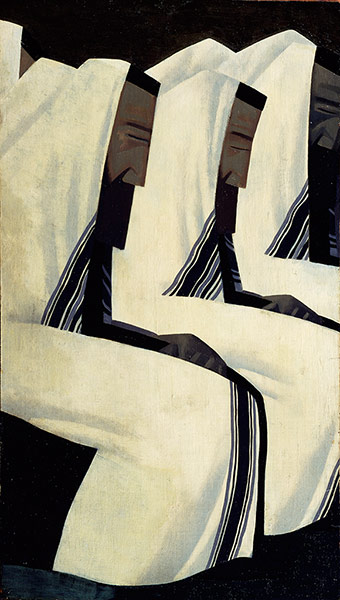
Ten years later, Jewish artists used avant-garde techniques to paint a far more conflicted, complex picture of English art, as well as of English-Jewish identity Photograph: Estate of John David Roberts. By courtesy of the William Roberts Society
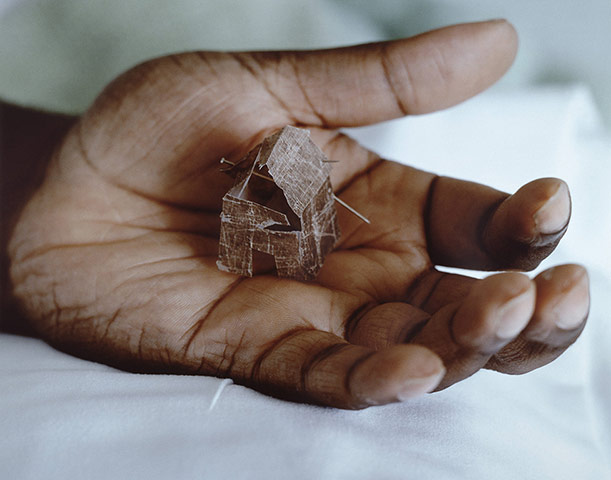
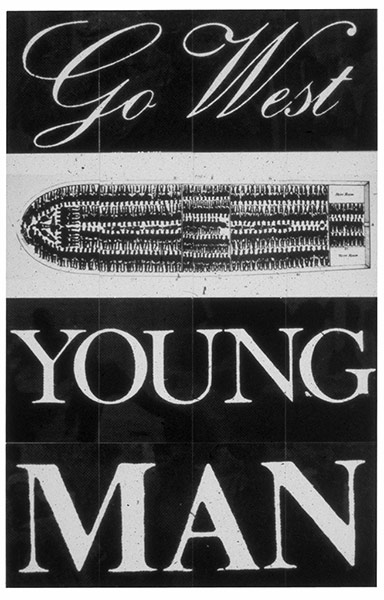
Migrations also redraws the parameters for the larger question: what is British? Photograph: The estate of Donald Rodney
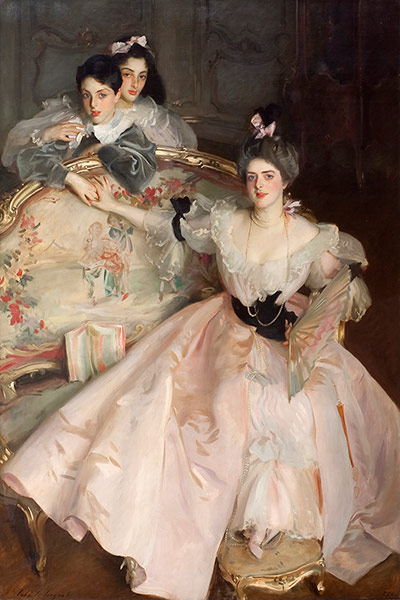
Like 'British' blood, many of the works in Tate Britain's collection have in some sense come from somewhere else Photograph: Tate
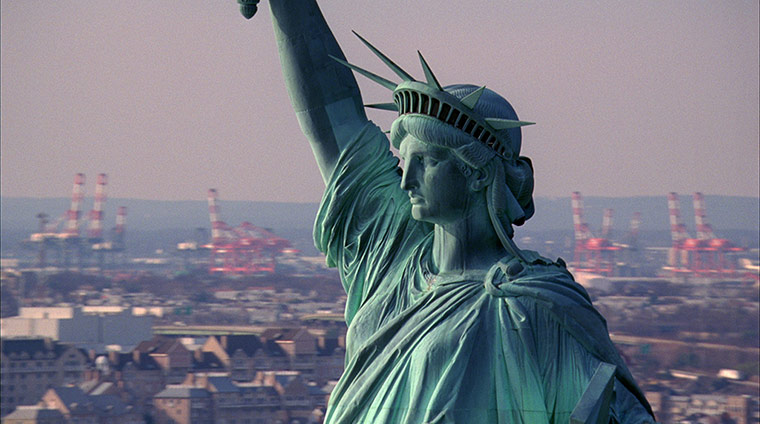
Like languages, diseases and the alphabet, through trade, invasion or colonisation, art migrates Photograph: Tate
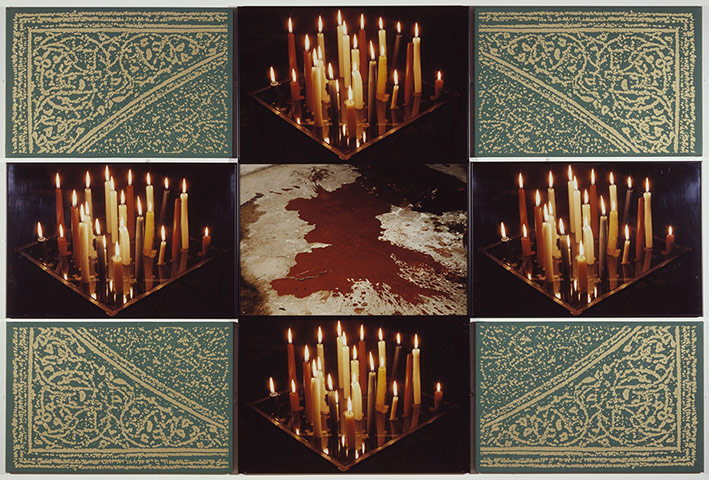
At the heart of this show is mobility – social, conceptual, physical, emotional, imaginative Photograph: Tate