Officers will seize mobile phones and sim cards from migrants without the need to arrest them as part of Sir Keir Starmer’s pledge to “smash the gangs” smuggling people across the Channel.
The power has come into force days after the prime minister suffered a blow when new figures showed 41,472 people arrived in the UK on a small boat last year – the second-highest number on record.
On Sunday, the Labour leader announced he had stepped up his bid to ease the crisis – and had ordered the Home Office to close asylum hotels before the current 2029 deadline, although he would not be drawn on a new date.
Officers will begin taking electronic devices from people at Manston processing centre in Kent, to download data they believe will help them gather intelligence on people smugglers.
The new powers for law enforcement agencies are designed to speed up investigations and come after Labour’s new Border Security, Asylum and Immigration Act became law in December.
Border security minister Alex Norris said: “We promised to restore order and control to our borders which means taking on the people smuggling networks behind this deadly trade.
“That is exactly why we are implementing robust new laws with powerful offences to intercept, disrupt and dismantle these vile gangs faster than ever before and cut off their supply chains.
“These operational measures sit alongside sweeping reforms to the system, to make it less attractive for migrants to come here illegally and remove and deport people faster.”
Last week, official 2025 figures were 13 per cent higher than the numbers recorded in 2024, when 36,816 migrants made the perilous journey, and 41 per cent higher than 2023's total of 29,437. It was also just 9 per cent below the all-time high of 45,774 in 2022.
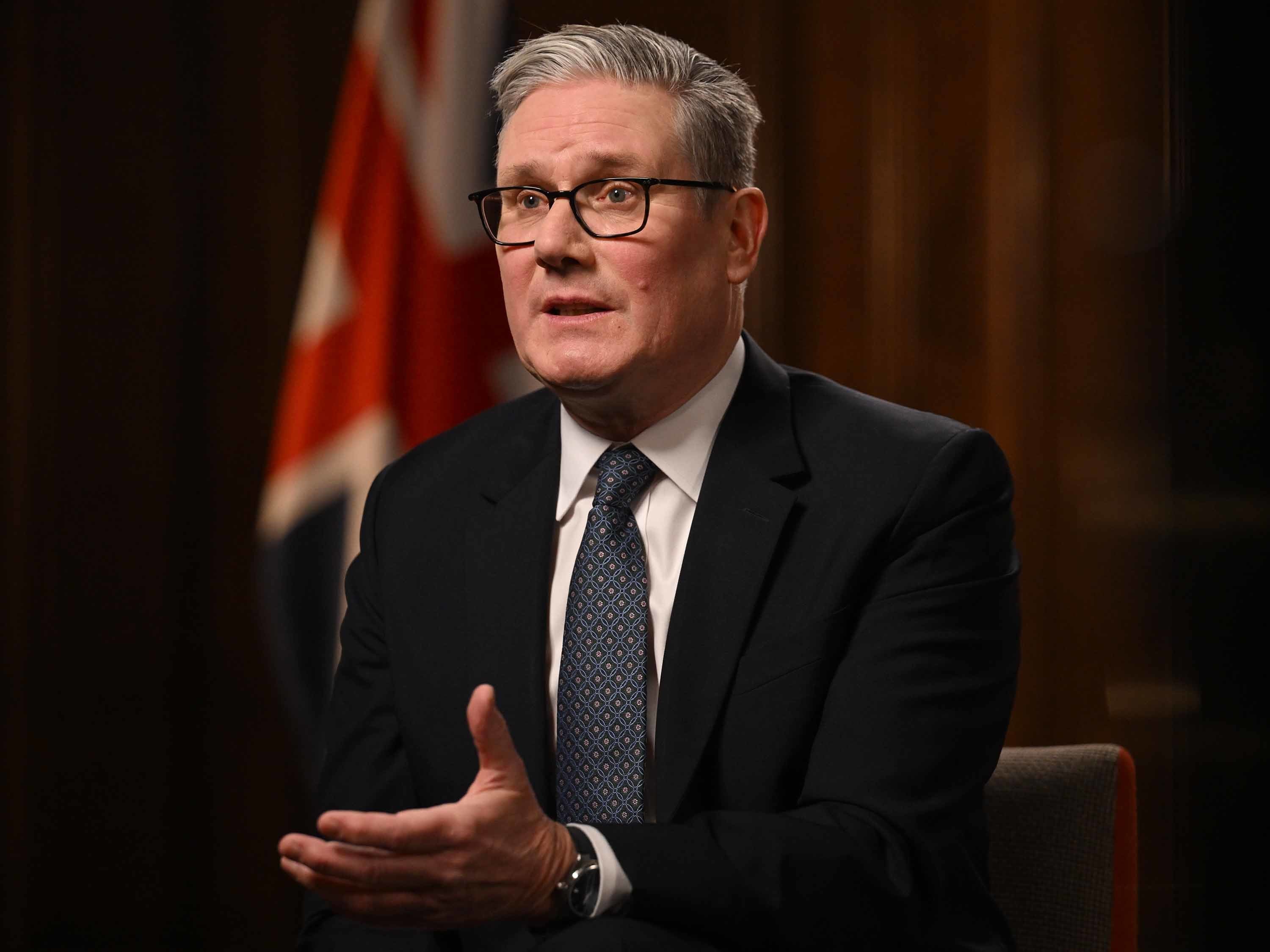
On Sunday, Sir Keir said Britons would start to see ‘evidence’ of asylum hotel closures in the coming months.
Their use was highlighted this summer with a wave of protests centred around the Bell Hotel in Epping, Essex, after an asylum seeker who had arrived by small boat in the UK was temporarily housed and later charged, jailed and deported for sexually assaulting a woman and a 14-year-old girl.
The prime minister said he was “determined” to close the hotels but could not give a date when that might happen.
He told the BBC’s Sunday with Laura Kuenssberg programme: “I’ve said to the system, to the relevant departments, I want to see that brought forward as soon as possible, but no longer the end of parliament. Bring it forward.
“I want us to close hotels. I think over coming months you’ll see evidence of that.”
Sir Keir said he did not want to “set a date” until “we’re absolutely sure that we can meet that date”.
Shadow home secretary Chris Philp accused ministers of “cosmetic tweaks” and said there was no deterrent to those crossing the Channel, as he reiterated his party’s call for the UK to quit the European Convention on Human Rights.
The government’s new law also introduces new criminal offences, such as up to 14 years in jail for storing or supplying boat engines to bring migrants to the UK via the English Channel smuggling route.
Smugglers downloading maps on where to depart on small boats or researching the best places to buy equipment for the dinghies could also face up to five years in prison.
The UK’s border security commander, Martin Hewitt, said the new powers to seize phones more easily marked a “key moment”. Since his unit was set up, officers have “disrupted” smuggling gangs more than 4,000 times. Including the seizure of cash and criminal convictions.
Starmer vows to remain Labour leader during cost-of-living pitch to voters
Powers to seize mobile phones over Channel crossings come into force
Starmer facing Labour revolt after refusing to denounce Trump over Venezuela
Burnham is Labour’s best hope of keeping Farage out of No10, UK’s top pollster says
Starmer signals new plan to unpick Brexit harm a decade on from EU referendum
Keir Starmer to tell cabinet to slash cost of living in new year message