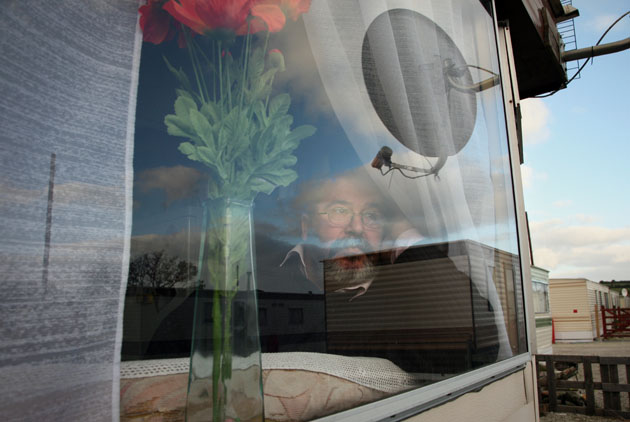
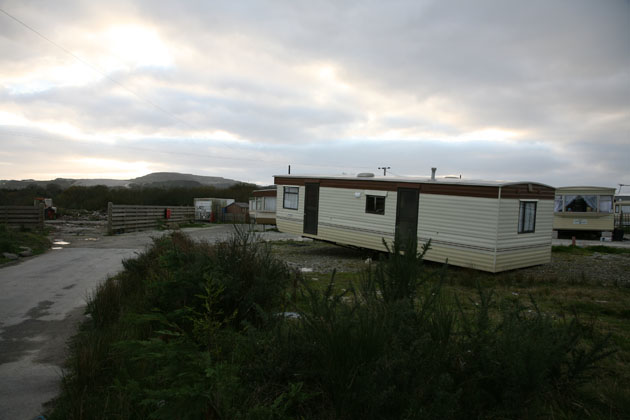
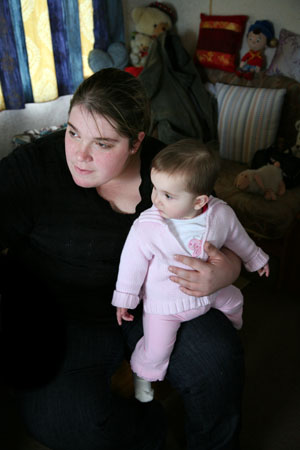
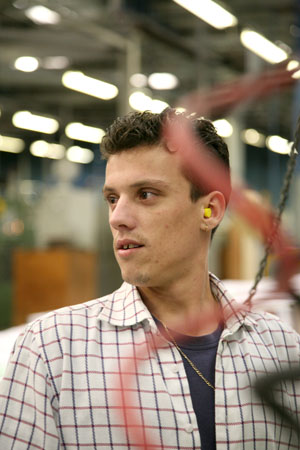
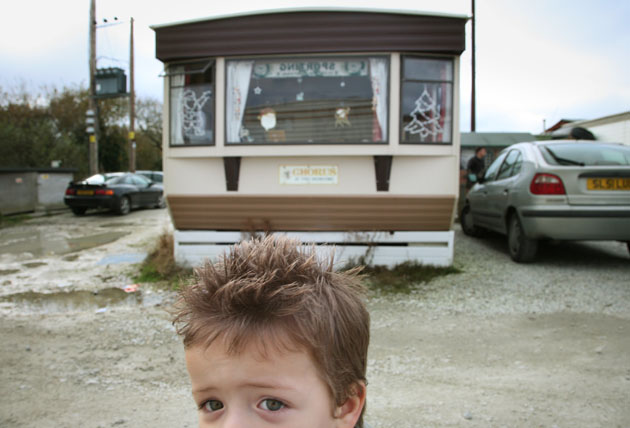
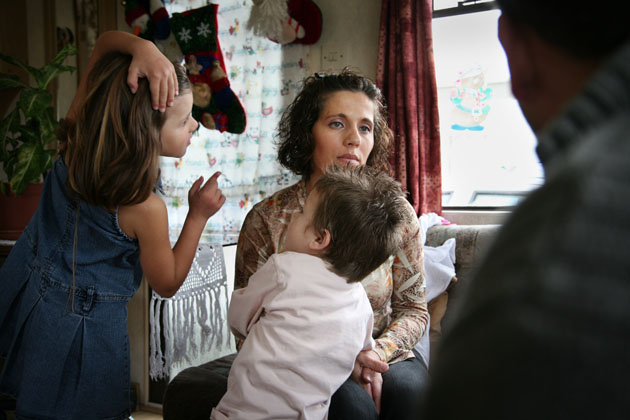
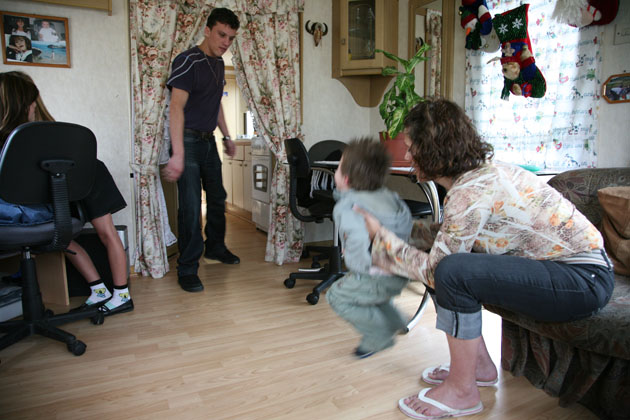
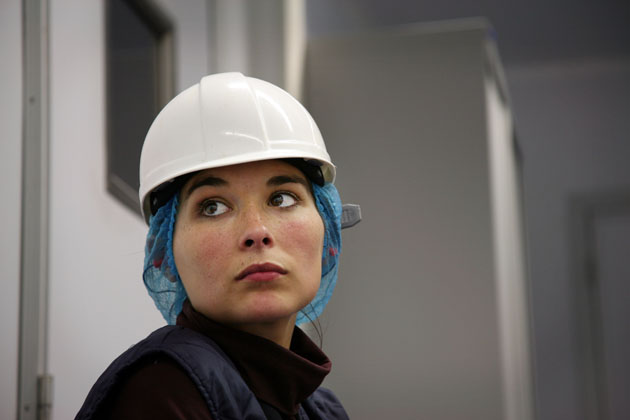
An estimated 3,000 Portuguese people live in mid Cornwall. Most work shifts in local factories, particularly meat processing plants which supply major supermarkets. Eduardo spent 30 years of his working life in Paris, then returned to Portugal hoping to run his own electrical goods and computer business. When this did not work out he and daughter Sophie came to Cornwall to find work. Photograph: Tom Pilston/Bridging Arts /PRThey live on a caravan site near Bodmin. In Cornwall, where property prices are high, finding housing for migrant workers is problematic and many live in mobile homes. Photograph: Tom Pilston/Bridging Arts /PR/PRSophie married a fellow Portuguese and had a baby daughter. She juggles three jobs, one of them as a translator for social services. Photograph: Tom Pilston/Bridging Arts /PR
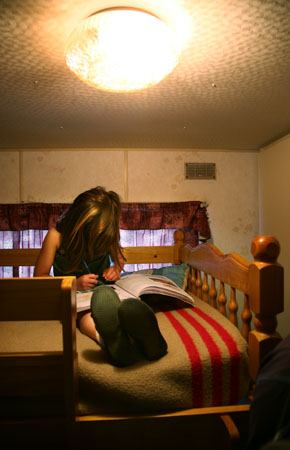
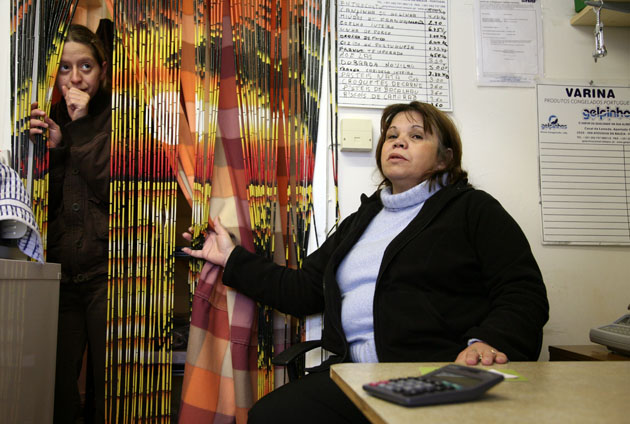
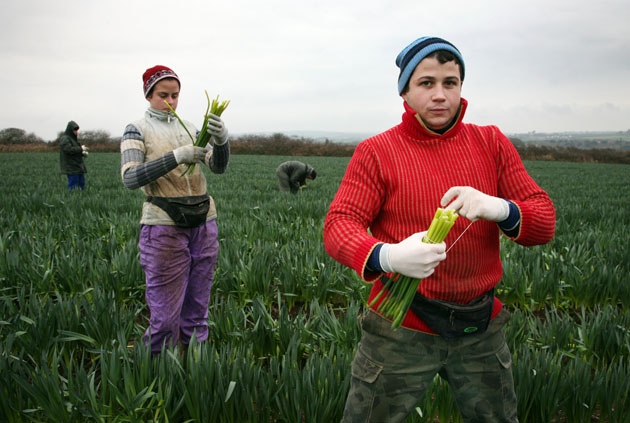
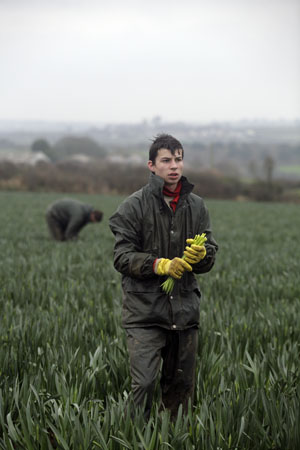
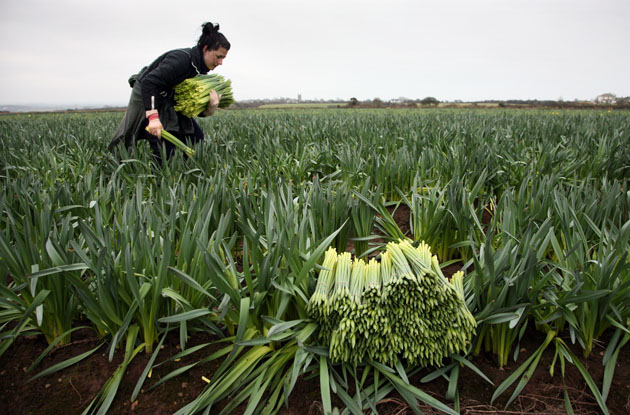
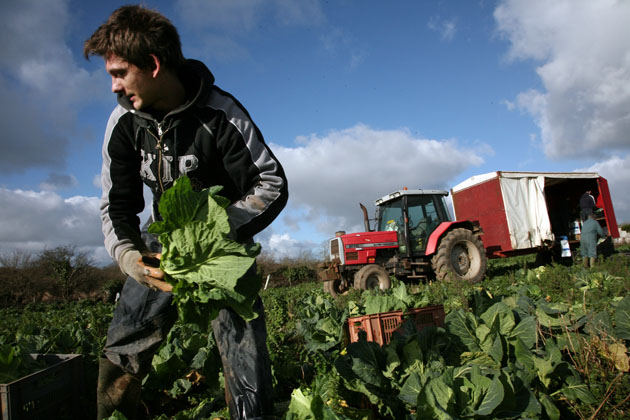
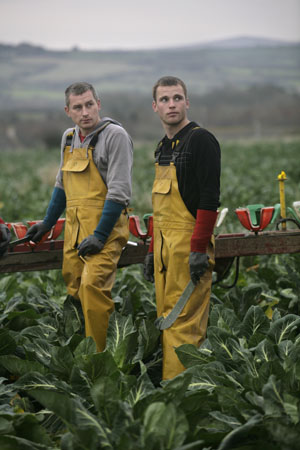
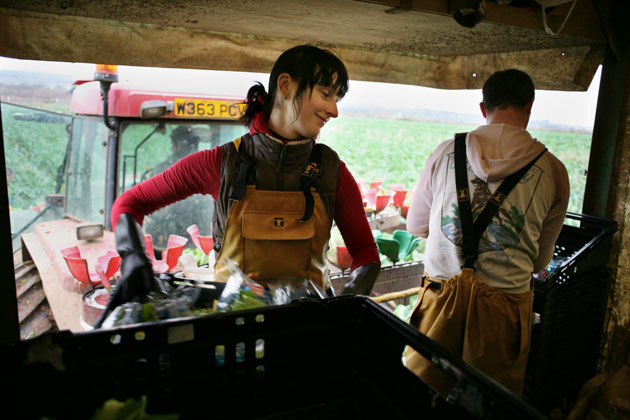
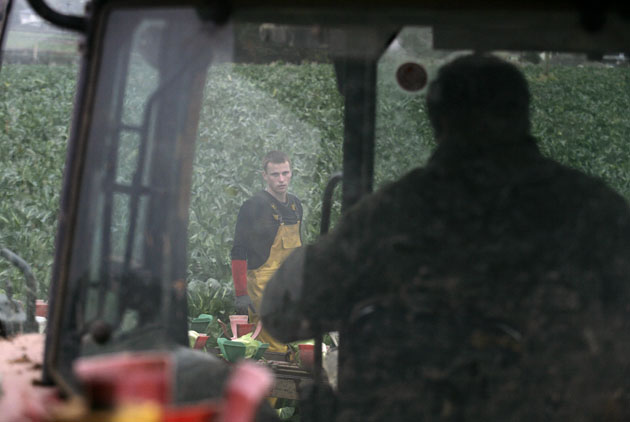
Joaquim comes from Montijo, across the river from Lisbon. He came to Cornwall with his wife, Susanna, and two daughters four years ago in search of a better life. Photograph: Tom Pilston/Bridging Arts /PRJoaquim's son, Paolo, was born in Cornwall. He has a lung condition.Photograph: Tom Pilston/Bridging Arts /PRThough life can be tough in Cornwall, Susana believes it is better than it would be in Portugal. But she does miss her father. They tend not to speak on the phone, she says, because they both start crying. Photograph: Tom Pilston/Bridging Arts /PRLanguage is a major issue. Susana speaks poor English. She says that the other time she feels far from home is when she goes to see doctors with her children and cannot explain their symptoms. Photograph: Tom Pilston/Bridging Arts /PRSusana and Joaquim’s oldest daughter goes by taxi to the local primary school where there are six Portuguese children and three Polish. She speaks fluent English. This is where she does her homework. Photograph: Tom Pilston/Bridging Arts /PRTania has been in Cornwall for four years. She came after she finished school in Portugal with Ricardo, her boyfriend at the time and now her fiancé. She spoke little English before she came but now is fluent. After six months, she was offered a job as a supervisor. She is saving up to buy a house in Portugal. “If I carry on what I’m doing, I’ll be able to go back to Portugal in five years. I miss the way of life.” Photograph: Tom Pilston/Bridging Arts /PRThe nearest large town to the caravan site is Bodmin. Eduarda and her husband Victor have opened a small shop selling Portuguese goods there, such as salted cod.Photograph: Tom Pilston/Bridging Arts /PRIn west Cornwall, most of the casual farm workers are from eastern Europe. Farming methods are now driven by demand from the supermarkets. Farmers need to employ workers seasonally and find it impossible to recruit enough labour locally. Boris, from Bulgaria, had come to pick daffodils for the second year running. He had saved up enough the first year to put an extra storey on his house.Photograph: Tom Pilston/Bridging Arts /PRThis farm is the main flower supplier for a major supermarket. To meet demand, the farmer rents land from farmers around the county. Workers are ferried to fields in buses. He, like other major growers, recruits directly from eastern Europe and houses workers in caravans on site. They are usually students who return home once the season is ended.Photograph: Tom Pilston/Bridging Arts /PRPickers are paid by the bunch. Fast workers can earn £100 a day.Photograph: Tom Pilston/Bridging Arts /PR Tomasz, from Poland, was cutting cabbage on a farm near Goldsithney. The farmer, a small grower, had employed him and his brother via a gangmaster. Tomasz came to Cornwall from London where he had found it hard to find work. The farmer said sources of migrant labour via gangmasters locally were drying up. He was concerned: without this migrant labour, he said he would be forced out of business.Photograph: Tom Pilston/Bridging Arts /PR This gang of Lithuanians were employed by a farmer through a gangmaster to cut cauliflower near Hayle. A group of them lives in a house in the town and are bused to and from the fields by the gangmaster. Their English is poor – they did not intend to stay long term but return to Lithuania once the season was over. Photograph: Tom Pilston/Bridging Arts /PRThe crop is bagged directly on the rig, ready for the supermarket.Photograph: Tom Pilston/Bridging Arts /PRThe tractor driver was locally employed. This farmer, too, reported a shortage of migrant labour. Photograph: Tom Pilston/Bridging Arts /PR
Sign up to read this article
Read news from 100’s of titles, curated specifically for you.