Midwives' challenges in northern Nigeria – in pictures
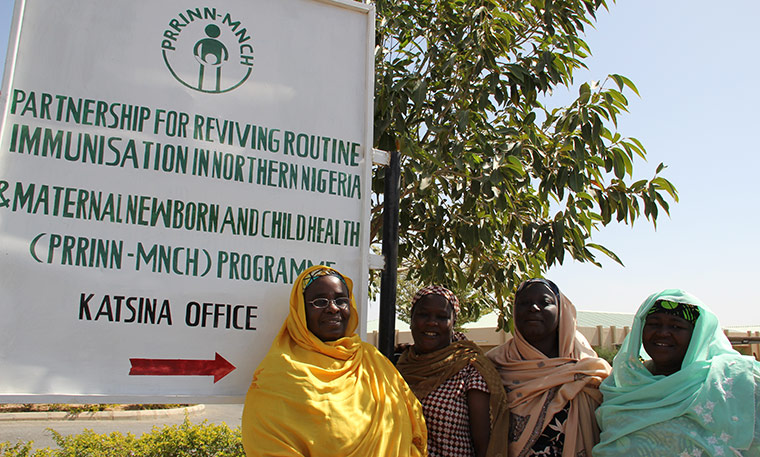
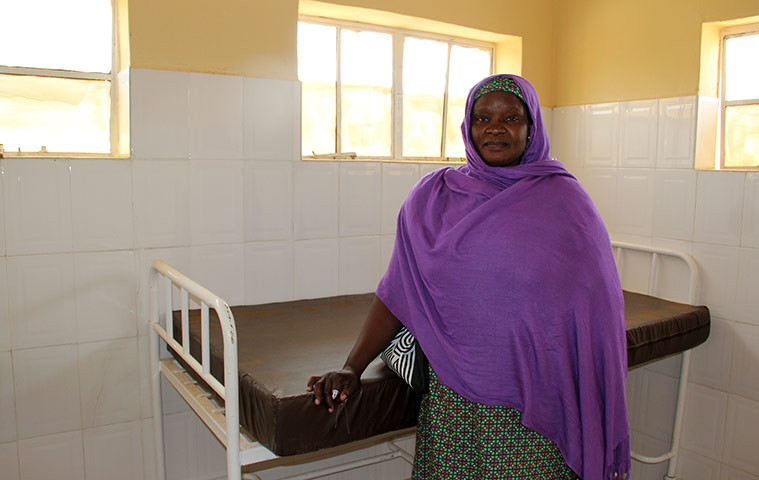
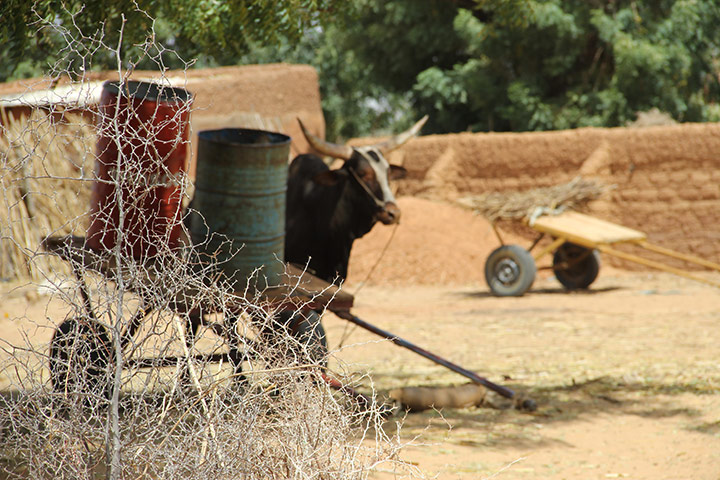
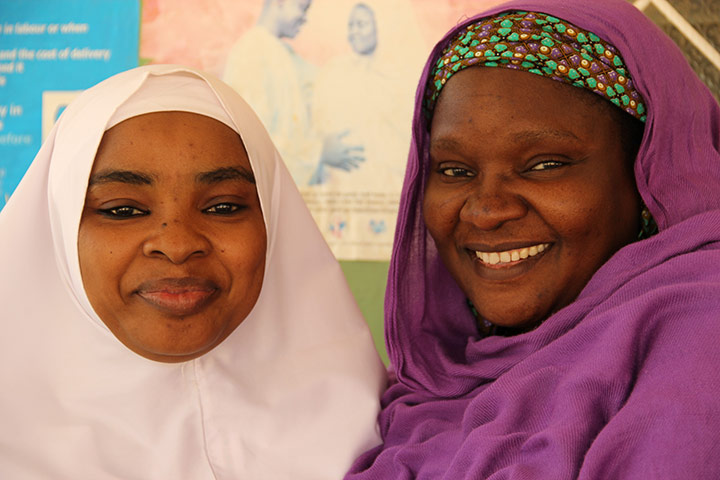
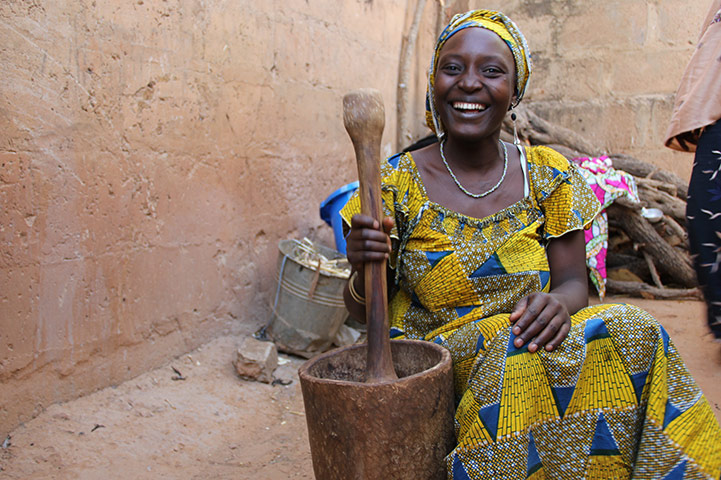
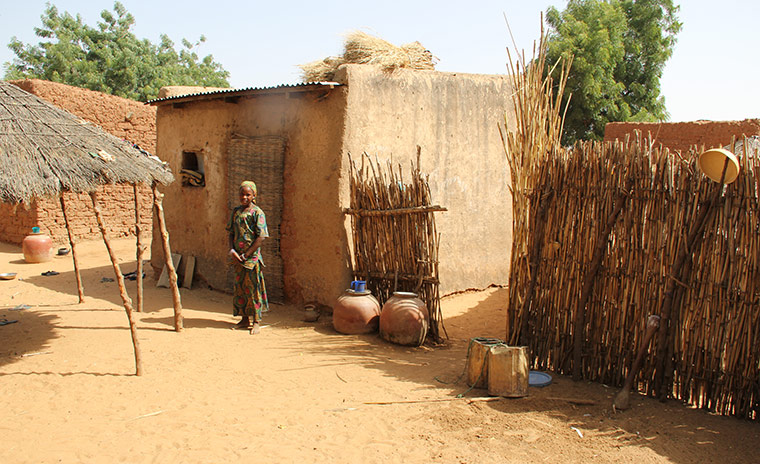
Northern Nigeria's maternal newborn and child health programme aims to help save the lives of at least 50,000 women during pregnancy and childbirth and 250, 000 newborn babies by 2015Photograph: Lindsay Mgbor/DFIDBinta, 45, is a midwife in Katsina state in northern Nigeria. She travels to rural communities to teach women the early warning signs of a difficult pregnancy and childbirthPhotograph: Lindsay Mgbor/DFIDPregnant women in isolated rural communities are particularly vulnerable. Often their husbands are away trying to find work, leaving them with little support. Many have to give birth at home without medical assistancePhotograph: Lindsay Mgbor/DFID
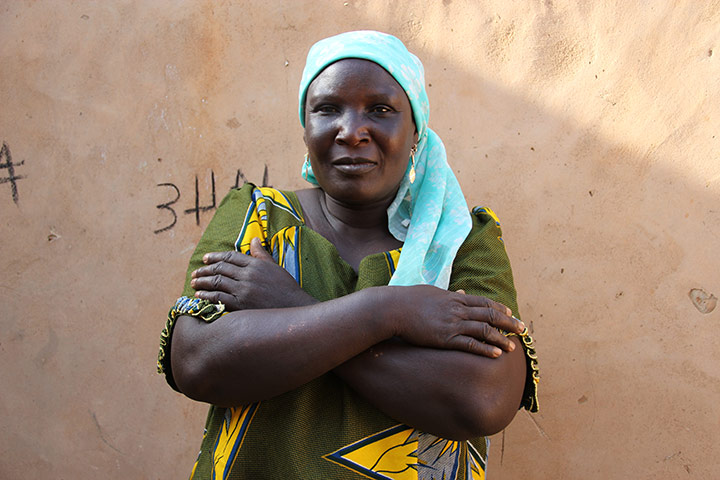
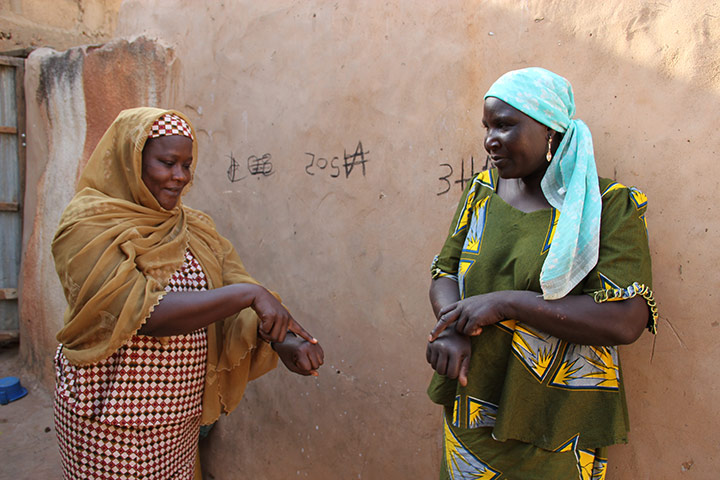
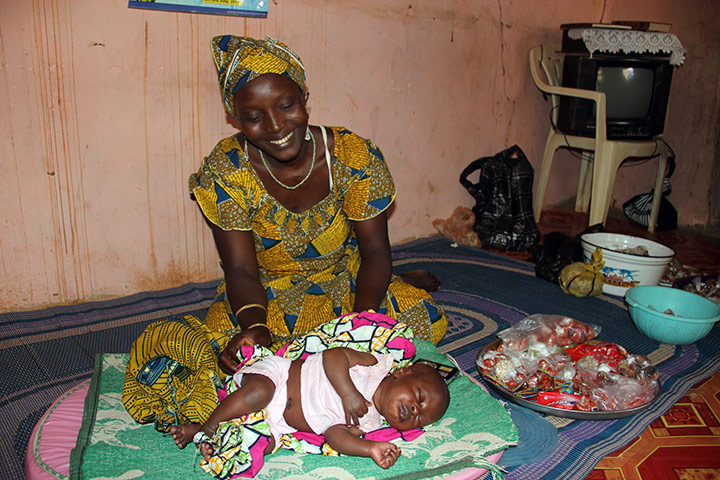
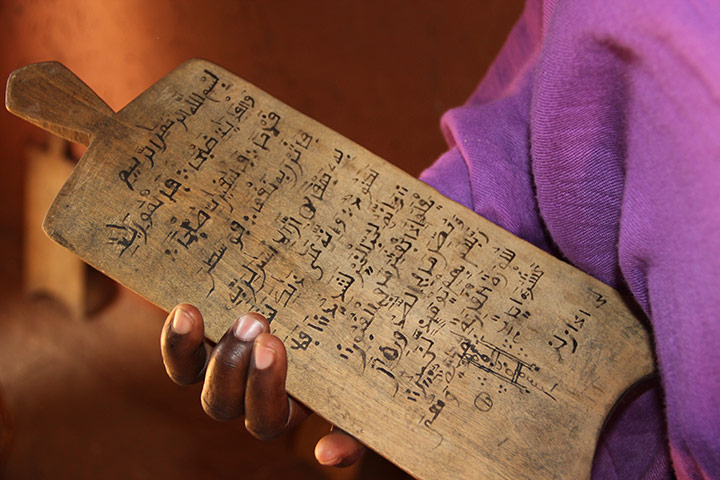
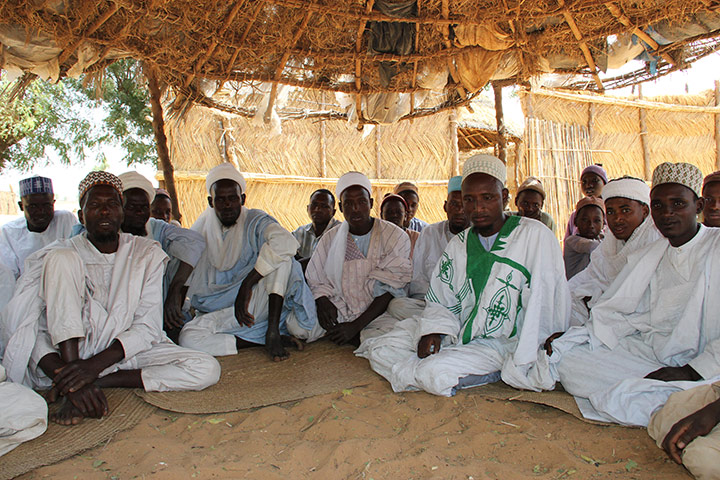
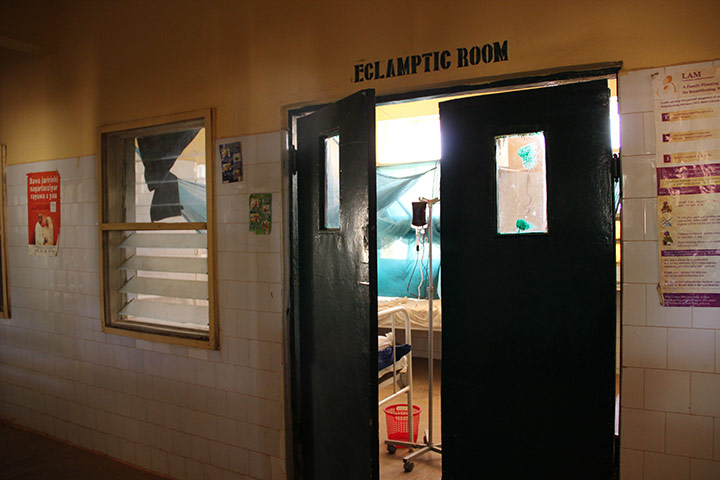
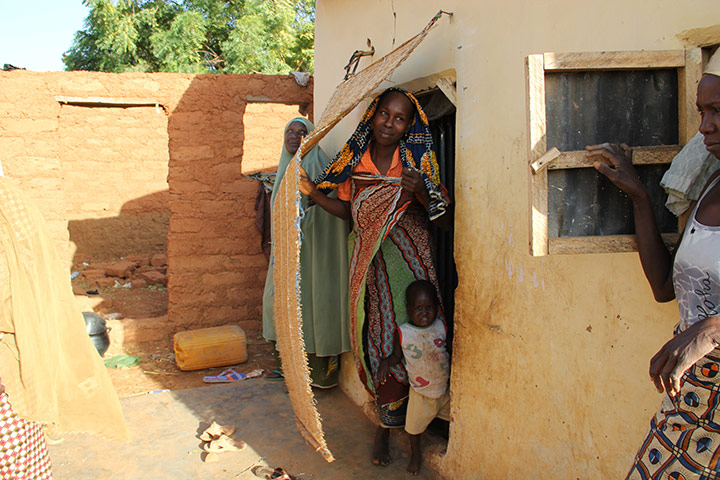
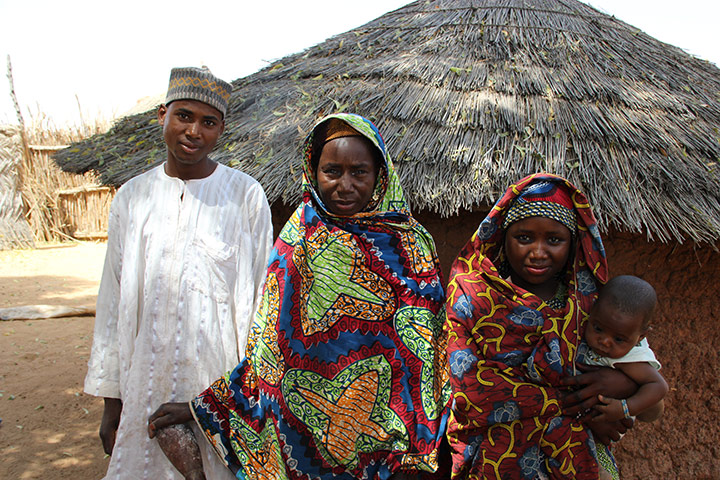
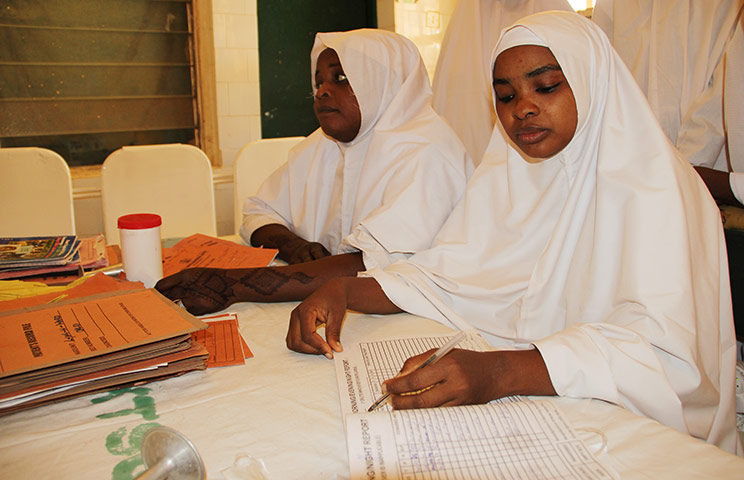
Binta teaches mothers' helpers who live in rural communities eight key signs of a difficult pregnancy and childbirth, and actions to help remember them. Fatsuma, 40, crosses her arms – the action for feverPhotograph: Lindsay Mgbor/DfIDFatsuma, who is a mothers' helper, counts either side of each knuckle to help women remember the number of symptoms, as well as learn different actions to match. Over 80% of women in northern Nigeria are illiterate and this helps them remember the information without the use of leafletsPhotograph: Lindsay Mgbor/DfIDAfter suffering two stillbirths at home in Rogogo community, Katsina, Hauwa'u, 25, gave birth safely to a baby boy, Muktar, who is now five months old. Fatsuma had recognised a fever – one of the key danger signs – and got Hauwa'u to a hospital where she gave birth with the help of a midwife Photograph: Lindsay Mgbor/DfIDBut women still face serious challenges during childbirth. Hadiza, 15, from Yanduna community, Katsina, lost her baby and nearly lost her life when, after displaying clear signs of danger, she was not taken to hospital and instead gave birth at her parents' homePhotograph: DFIDHadiza continued to bleed and her family gave her a traditional remedy. They prayed for her, writing inscriptions on tablets, washing them clean and giving her the water to drinkPhotograph: Lindsay Mgbor/DFIDIt was only when Binta persuaded Hadiza's father to take her to hospital that she received the emergency medical care she needed to save her life. Hadiza's whole community is now involved with the programme through volunteer groups. Musabhu Yusif, the lead male volunteer, says, 'Now, the moment we know a woman is in labour, we will quickly go get transport and rush her to hospital'Photograph: Lindsay Mgbor/DFIDThe maternity facilities at Daura hospital in Katsina statePhotograph: Lindsay Mgbor/DFIDThe community now has a saving scheme to which people contribute small amounts. This is used to cover the transport costs of getting pregnant women to a medical facilityPhotograph: Lindsay Mgbor/DFIDEngaging male volunteer groups in the importance of giving birth in medical facilities means more women are allowed to go to hospital, which had previously been seen as a bad thing by some in the communityPhotograph: DFID'It's not only the volunteers who are transmitting this information, it's the whole community. One person will learn and then 10 or 20 people will learn from them,' says BintaPhotograph: Lindsay Mgbor/DFIDThe programme aims to reduce maternal deaths by one third by increasing the number of health workers in Nigeria, providing contraceptives and improving maternal care for millions of mothersPhotograph: Lindsay Mgbor/DFIDHauwa'u's dream now is that one day her daughter will become a health worker: 'I want her to become a nurse. I pray she will help others in the same way I have been helped' Photograph: Lindsay Mgbor/DFIDThe G8's 2010 Muskoka initiative set clear targets in support of millennium development goals 4 and 5: i) reduce by two-thirds between 1990 and 2015, the under-five mortality rate ii) reduce by three-quarters, the maternal mortality ratio iii) achieve, by 2015, universal access to reproductive health. As the agreement states: 'Reaching these overall targets requires a major, sustained global effort .... ' See MDG data reports to monitor progressPhotograph: Lindsay Mgbor/DFID
Sign up to read this article
Read news from 100’s of titles, curated specifically for you.