
Strategic pivots rarely happen without a massive catalyst forcing the issue. For Microsoft (NASDAQ: MSFT), that catalyst may be buried deep in the razor-thin margins of Microsoft's interactive entertainment division. A recent internal memo from Xbox Chief Executive Officer Asha Sharma revealed Microsoft expects the gaming unit to end fiscal year 2026 with a roughly 3% accountability margin.
When you place that figure next to Microsoft's approximately 39% corporate net margin, the structural drag becomes almost impossible to ignore. Retail investors often look at gross revenue, but institutional capital cares strictly about free cash flow and margin expansion.
Dragging a highly profitable corporate structure down with a capital-intensive division creates an artificial valuation ceiling. Microsoft built a trillion-dollar empire on high-margin software and cloud architecture. Subsidizing loss-leader gaming consoles actively dilutes the immense profitability of Microsoft's core enterprise services.
The Real Cost of the Hardware War
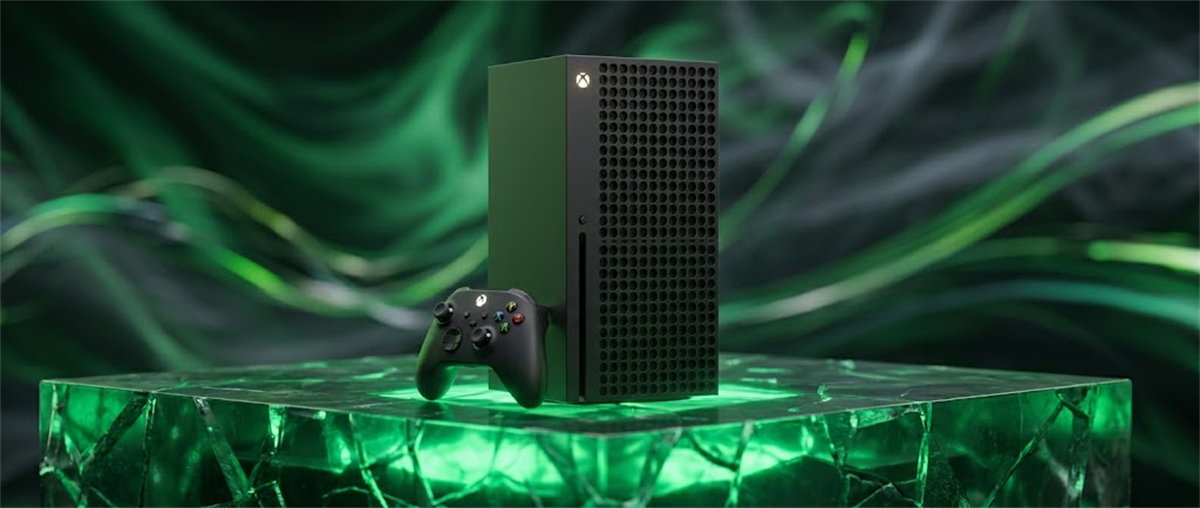
The physical hardware business remains notoriously cyclical and incredibly capital-intensive. Producing the physical boxes required to play modern video games demands massive upfront capital expenditures. Manufacturing costs have skyrocketed globally, with NAND memory and other critical component prices surging by up to 700% since the current generation of consoles originally launched.
These escalating physical production costs directly contributed to a severe 33% year-over-year plunge in Xbox hardware revenue during Microsoft's third quarter of fiscal year 2026. Selling hardware at a loss only makes financial sense if you can guarantee a massive, captive audience to buy high-margin software over a 10-year cycle. When the hardware costs outpace the software attach rate, the entire ecosystem begins to fracture.
Player 2: Losing the Install Base Battle
Understanding the necessity of a structural overhaul requires examining the current state of the global gaming market. The install base deficit between Microsoft and Sony (NYSE: SONY) has widened to an unsustainable degree.
Sony's PlayStation 5 currently commands an estimated 75 million active units globally. That dominant market share completely dwarfs the 30 million units sold across the Xbox Series X and Series S ecosystem. This hardware gap directly caps the growth potential of Xbox Game Pass, Microsoft's flagship recurring revenue subscription service. Microsoft attempted to bridge the resulting revenue shortfall with an aggressive pricing strategy in October 2025, raising the Game Pass Ultimate tier to $30 per month from its longstanding $19.99 per month price.
Consumers immediately demonstrated heavy subscription elasticity, resulting in millions of active cancellations. Subscription elasticity is a critical metric for software-as-a-service models. When a provider raises prices, they test the absolute pricing power of their ecosystem. Losing millions of users over a simple rate increase proves that Xbox Game Pass lacks the inelastic demand seen in Microsoft's enterprise software subscriptions.
A subsequent price correction to $23 per month in April 2026 stemmed the bleeding, but Microsoft failed to restore the subscription service to previous growth trajectories. You simply cannot maximize the return on a $69 billion investment, which is the exact price Microsoft paid for Activision Blizzard, by restricting popular software to a distant second-place hardware ecosystem.
Maintaining a closed hardware pipeline actively prevents Microsoft from licensing lucrative intellectual property to competitors. Third-party platforms often extract higher margins from Xbox titles than Microsoft realizes directly through physical console sales.
Respawning Xbox as a Subsidiary
Chief Executive Officer Satya Nadella recently signaled a willingness to fundamentally change how Xbox operates. Strategic leaks indicate executive leadership may be heavily evaluating transitioning Xbox into a wholly owned, independent subsidiary.
This specific strategy directly mirrors the successful corporate structures of LinkedIn and GitHub. Operating as an independent subsidiary allows a division to maintain a distinct internal culture and operational agility, while simultaneously insulating Microsoft's broader earnings before interest, taxes, depreciation, and amortization (EBITDA) from division-specific volatility.
By operating independently, Xbox could aggressively pivot toward platform-agnostic cloud gaming. Shedding the financial obligation to win a hardware war allows the gaming brand to focus entirely on software distribution and recurring subscription revenue across all interactive devices, including smart televisions, mobile phones, and rival consoles.
Preparation for a leaner future is already underway internally. Microsoft is executing severe cost-reduction measures to eliminate bloated administrative overhead. Development studios, including Compulsion Games, Ninja Theory, and Double Fine, are facing permanent closure or active spin-outs. Trimming these prestige, high-cost, low-return operations provides immediate overhead relief ahead of scheduled Microsoft corporate layoffs in July.
Leveling Up Shareholder Value
Microsoft’s market sentiment has been turbulent recently, with shares slipping below $400 and the stock’s earnings multiple compressing into the low 20s. Even after that reset, Microsoft still trades like a company expected to deliver consistent, scalable growth. Funneling capital into low-margin gaming hardware threatens that narrative, particularly as investors scrutinize the rising cost of global artificial intelligence infrastructure.
High-profile money managers, including Bill Ackman at Pershing Square, have recently rotated capital out of certain megacap tech holdings, demanding absolute operational efficiency from the leaders of the artificial intelligence race. Microsoft is also facing shareholder lawsuits and increased scrutiny over the capital expenditure demands of the Azure cloud business. In this macroeconomic environment, maintaining a 3% margin is a luxury Microsoft can no longer afford.
Divesting the low-margin hardware infrastructure fundamentally restructures Microsoft's interactive entertainment sector. Removing billions in gaming hardware subsidies from Microsoft's balance sheet immediately improves return on equity and frees up vital capital. Microsoft can then redirect that capital into high-yield cloud computing infrastructure and Microsoft's active $60 billion share repurchase program.
The Final Boss: Executing the Spin-Off
A structural shift away from physical hardware distribution introduces a compelling long-term thesis for Microsoft. Isolating the gaming division protects corporate earnings, streamlines internal operations, and positions Microsoft to dominate the software side of the entertainment sector without the heavy anchor of physical manufacturing.
Investors may want to monitor upcoming July restructuring announcements and carefully assess how a formalized subsidiary structure could improve forward earnings guidance before adding Microsoft shares to active portfolios.
The article "Microsoft’s Xbox Problem Is Bigger Than a Console War" first appeared on MarketBeat.