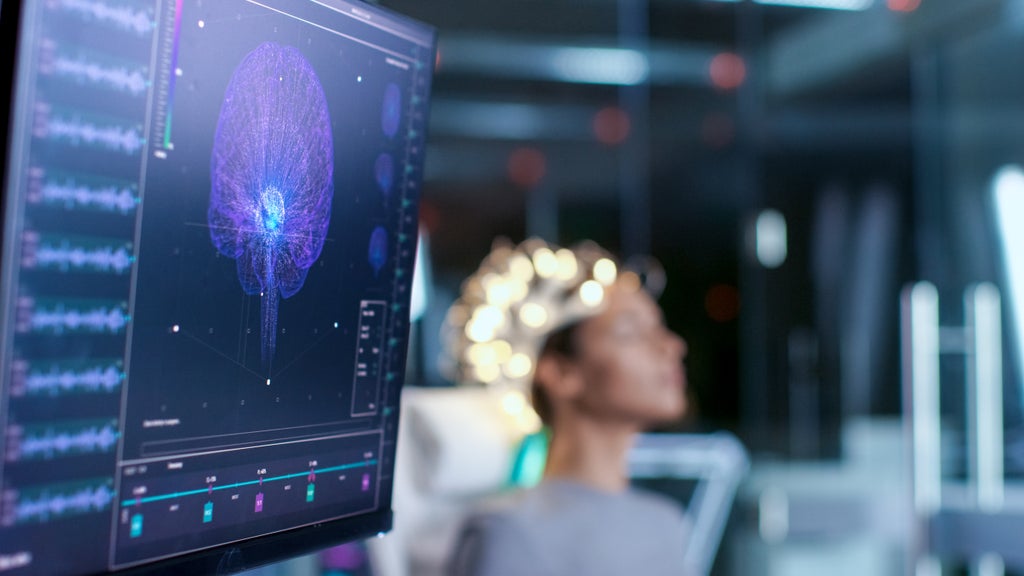
Microsoft measured people’s brains to record their “delight” at using Windows 11, chief product officer for Windows Panos Panay told The Independent.
The company launched its new operating system this week, bringing with it a new user interface and start menu, better integration with Xbox games, and other features.
“We literally, iterate, iterate, iterate to the point where we measure the brain, we measure the delight. Basically, we’re measuring how people feel when they use the product every single detail [and] how it comes together”, Mr Panay said.
“What we do is we sit folks in front of the new products, and they use them. And then we just measure, you know, the many different areas [in the brain] that say: ‘This is delightful. This is awesome. It feels good’. And then we ask questions and basically correlate the feeling with the thought”.
Microsoft’s Human Factors team, or the “department of human data” as it is described on Microsoft’s website, was responsible for measuring the human brain’s response to Windows 11. They have also been utilised to develop Microsoft’s other products, such as the Xbox controller its virtual reality HoloLens headset.
Recommended
The company has access to “biomechanics trackers that can measure human movement to less than a millimeter and scan detail imagery at sub-millimeter accuracy”, Microsoft claims, with a “human-sized light box … to simulate numerous lighting environments”.
In March 2021, during the pandemic, the team was conducting research into how people work – something that was at the forefront of the Windows 11 redesign, evident in both new features such as videoconferencing software Teams being built-in, as well as Snap Groups for quick switching between collections of apps.
“Microsoft’s Human Factors Lab sought to find a solution for meeting fatigue—a pressing concern in our new era of remote and hybrid work”, a blog post from Microsoft states, with 14 people taking parts in numerous meetings wearing electroencephalogram (EEG) equipment to monitor the electrical activity in their brains.
“The fundament challenge of human factors is to be able to understand enough about what people do in an particular situation.”, Edie Adams, a Director of Ergonomics at Microsoft’s Human Factors Center, has said. We need to understand all those different aspects so that we can make sure our products meet those needs.”