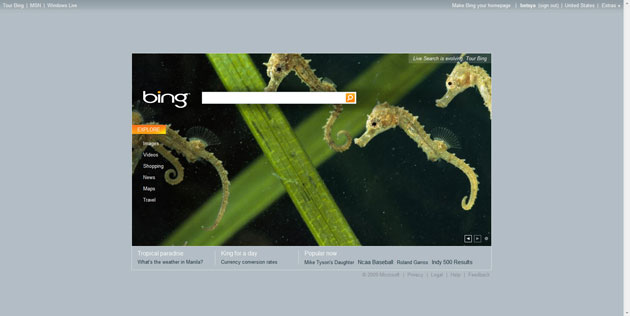
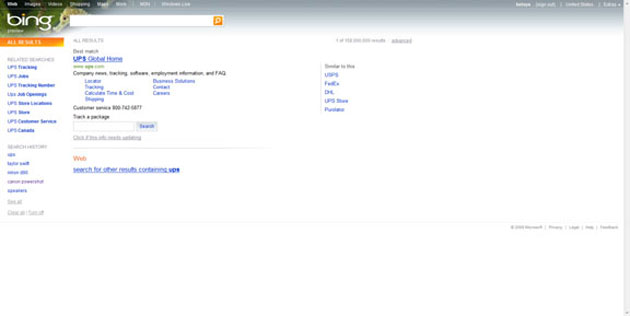
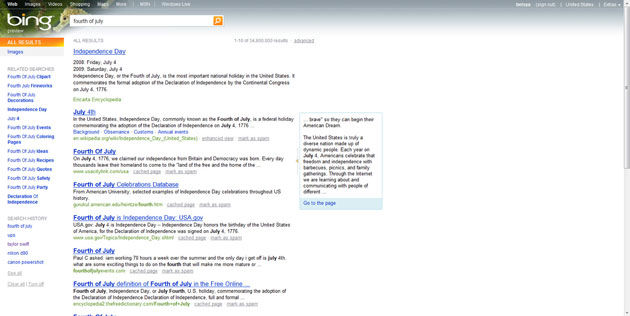
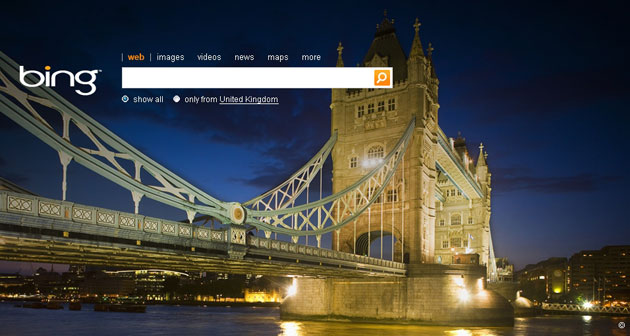
Home page: Microsoft is using a “picture of the day” as the backdrop for Bing, as with Live Search. Rolling the mouse over the picture reveals “hot spots” with information. You don’t get a choice of picture.Photograph: Public DomainBest Match: Bing tries to provide a “best match” as the first hit. If it’s a company or organisation, this will usually be the official site. In Google, the official site’s position will depend on its page ranking, which may not put it near the top.Photograph: Public DomainQuick Preview: In most web searches, users go backwards and forwards trying different links. In Bing, a mouse rollover pops up some text from the page so you can see if you actually want to go there. This should help avoid wasted clicks.Photograph: Public Domain
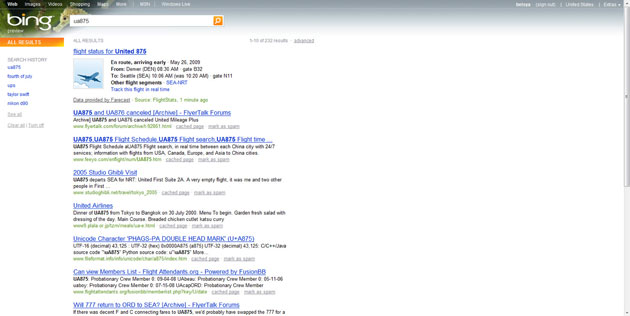
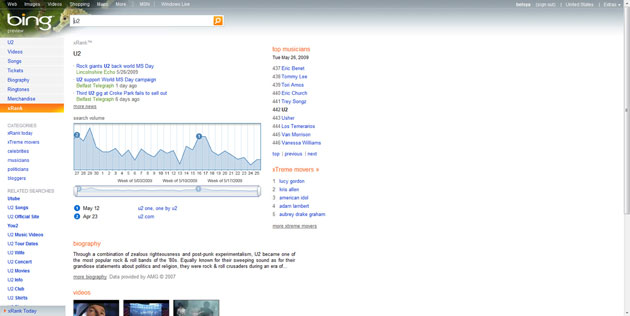
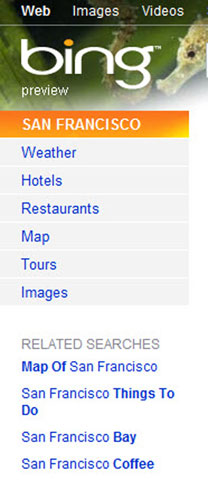
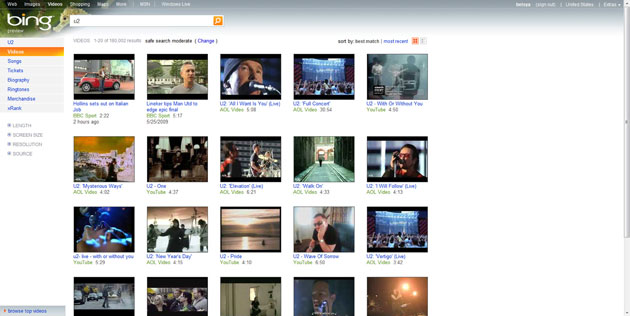
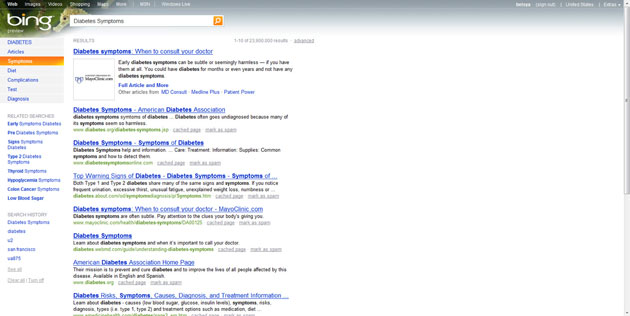
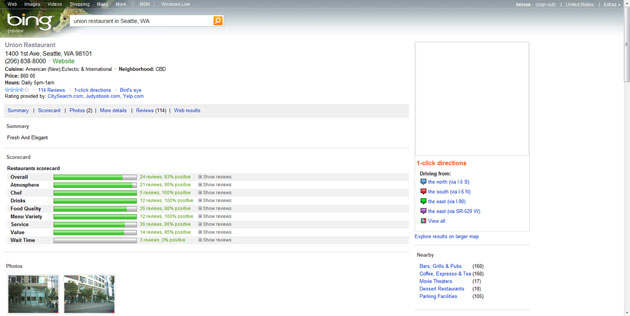
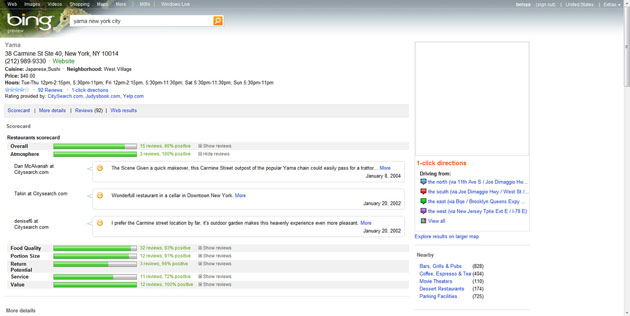
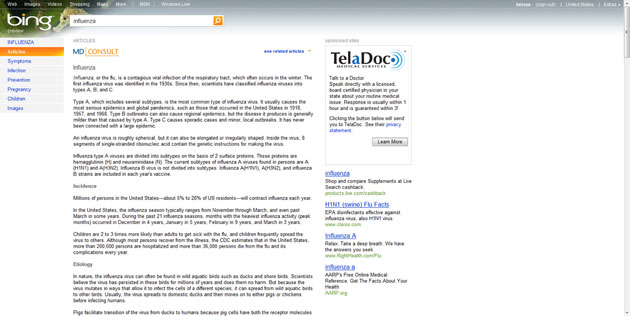
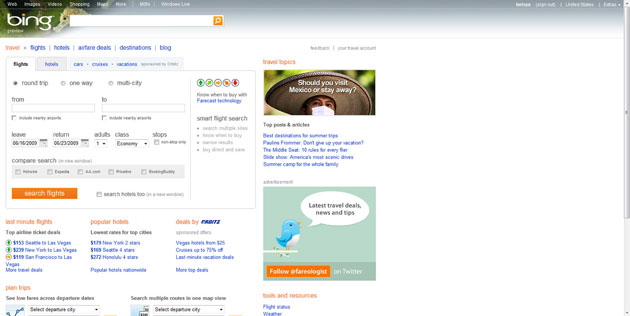
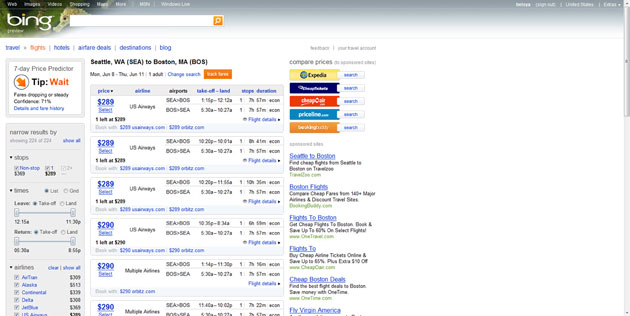
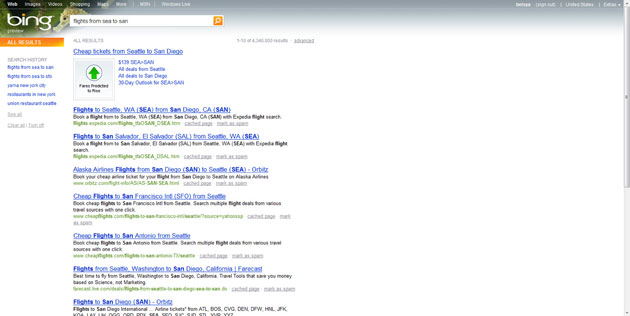
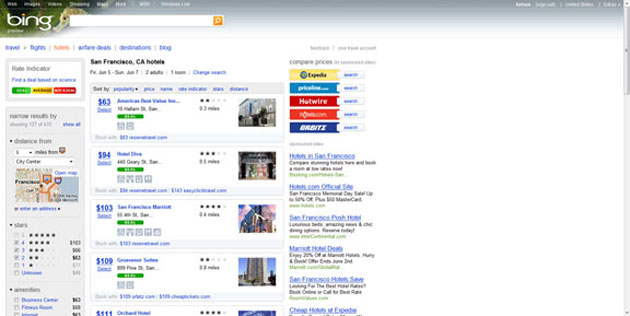
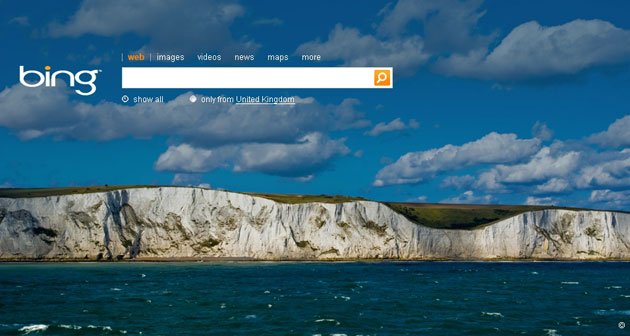
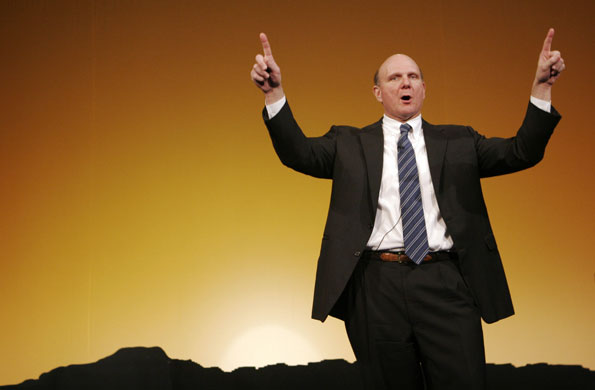
Instant Answers: Bing uses what it knows to interpret your search and then tries to answer it. It guesses that United 875, UA875, BA49 and similar searches are airline related and provides flight details – including the time and gate.Photograph: Public DomainxRank: Here, xRank has been selected from the menu on the left. Microsoft Live Search already offers xRank. It counts searches and then provides a graph showing whether a topic is hot or not.Photograph: Public DomainQuickTabs: When you search for a topic, Bing clusters different results and provides a menu for easy access to them. If someone is searching for San Francisco, for example, Bing guesses they might be interested in the weather, hotels, maps and so on.Photograph: Public DomainVideo rollovers: In some cases, the QuickTabs will include a selection of videos. When this is selected on the left, holding the mouse over the thumbnail image causes the video to start playing. You can preview a lot of YouTube videos without going to the site. (This is already a feature of Live Search.)Photograph: Public DomainRelated Searches: Many search engines keep a log of search terms and offer suggestions based on what other people have searched for, as here. Much medical info on the web is unreliable and could be dangerous: Bing provides a BestMatch from the Mayo Clinic.Photograph: Public DomainRich Listings: In some topic areas, products and places are widely reviewed. When possible, Bing will provide an analytical view of the results. In this case, the graphic is based on 114 restaurant reviews from three different sites.Photograph: Public DomainRich Listings (continued): For the Scorecard tab in Rich Listings, Bing has tried to extract the “sentiment” from the text of the review – whether it’s broadly favourable or unfavourable. This is risky but should work as long as there are enough reviews.Photograph: Public DomainMedical information: Search engines don’t usually show whole articles, for copyright reasons. Microsoft is signing deals with leading content providers such as the Mayo Clinic to provide trustworthy information. Again, Bing’s focus is on providing people with answers, rather than 10m links, of which they’re unlikely to see more than 10.Photograph: Public DomainTravel queries: Bing has a particular focus on a small number of areas, but one of those is travel searches. It could save people going to another site such as Expedia, which Microsoft started, then sold.Photograph: Public DomainTravel queries (continued): In this case, for a flight from Seattle to Boston, Bing has tried to provide all the information you need. On the right are links to price comparison sites (sponsored sites) where you might find a better deal.Photograph: Public DomainTravel queries (continued): Bing tries to provide answers, rather than long lists of web pages. In this case, Big recognised the airport codes for SEA and SAN (typing Seattle and San Diego doesn’t work). The result includes a tip-box from Farecast, which advises on the best time to buy flight tickets. It’s a site Microsoft owns.Photograph: Public DomainTravel queries – hotels: The hotel section of Bing’s travel search system has an algorithmic(“based on science”) rating system that provides traffic-light indicators for Deal, Average, and Not A Deal. Again, there are also links to travel/hotel booking sites.Photograph: Public DomainLondon Bridge: The UK version of Bing, which is due to appear in beta test form on 3 June, is expected to use British images for its backgrounds. The mock-up shown here was provided for the UK launch and probably does not reflect the final version.Photograph: Public DomainWhite cliffs: Another mock-up provided for the UK launch. The choice of picture is limited by the need to satisfy a wide audience (men, women and children of all ages) and be simple enough so you can still read the text.Photograph: Public DomainSteve Ballmer: Microsoft’s chief executive Steve Ballmer previewed Bing at the All Things D conference. However, users will not be able to access it before the full launch at the Search Marketing Expo conference in Seattle.Photograph: Mark Lennihan/Associated Press
Sign up to read this article
Read news from 100’s of titles, curated specifically for you.