Microplastics can travel by air and pollute areas at least 100 kilometres away from their source, according to a new study.
Researchers found substantial amounts of plastic waste on a remote catchment in the French Pyrenees mountains over a period of five months.
Although it is known that microplastics can reach oceans by travelling along rivers, the research provides evidence of plastic waste being transported through the atmosphere.
Microplastics are very small pieces of plastic waste, such as microfibres in clothing and microbeads, which pollute the environment.
They have been described as a significant threat to marine life and have been found in rivers, oceans and Arctic regions.
Researcher Deonie Allen and her colleagues collected samples of atmospheric dry and wet deposits during five sample periods and measured a daily microplastics deposition rate of 365 particles per square metre for the study, published in Nature Geoscience.
Using atmospheric simulations, they found plastic waste was transported through the atmosphere from at least 100 kilometres away.
Alice Horton, ecotoxicologist at the Centre for Ecology and Hydrology, said the concentrations of microplastics were “comparable to those found within urban areas”.
“This study is the first to provide concrete evidence of microplastics transported to remote regions by air, and therefore enhances our understanding of the ways in which microplastics can be widely transported around the globe,” she said.
“It highlights that with respect to microplastics, many remote areas may not be as pristine as assumed, a fact which warrants further research.”
Dr Stephanie Wright, a research fellow at King’s College London, agreed that the study suggests microplastics could threaten more regions than previously thought.
“These findings do suggest that microplastics are omnipresent and even the most pristine environments may be susceptible to contamination,” she said.
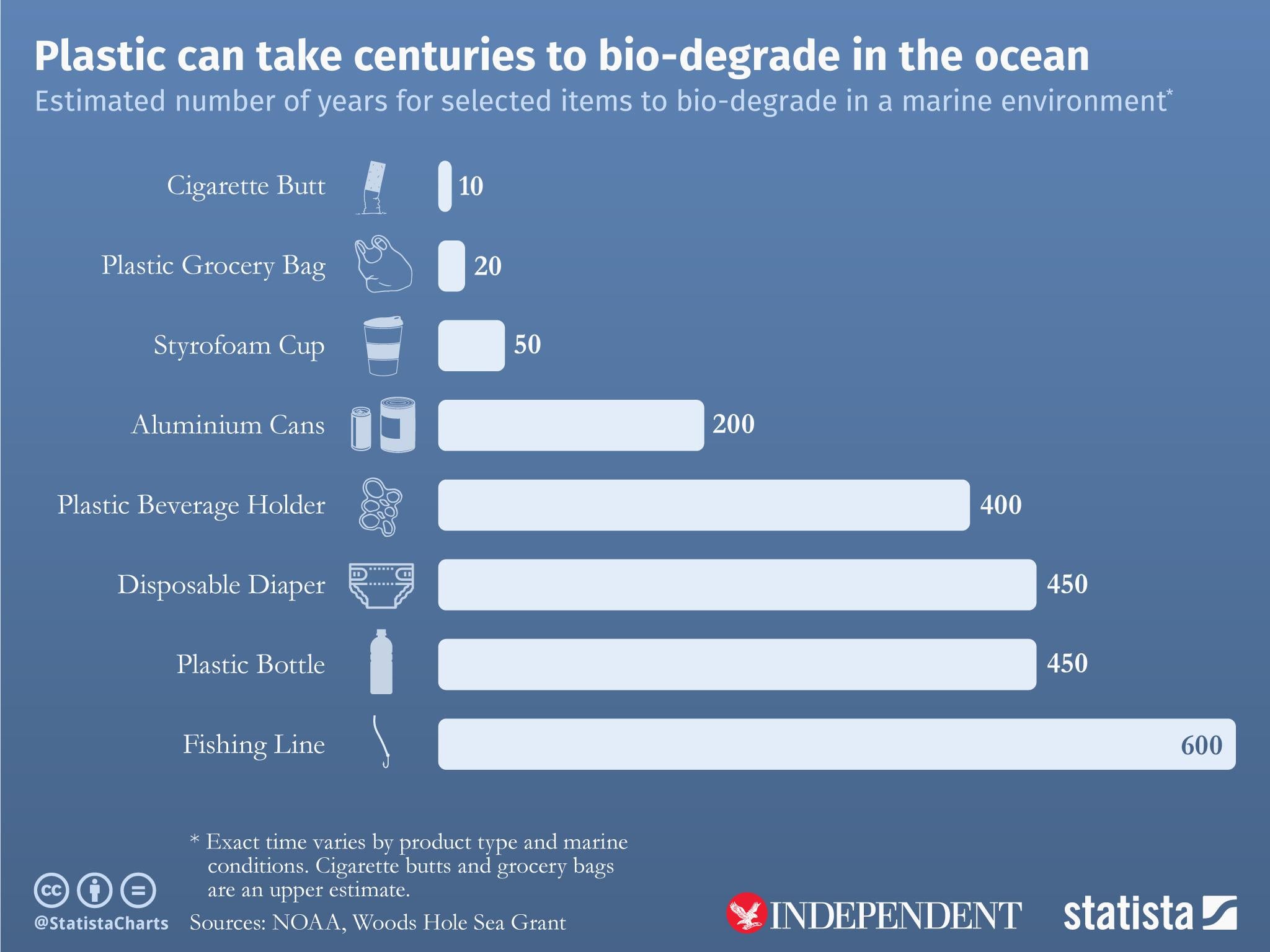
Plastic industry experts estimated 335 million tonnes of plastic was manufactured globally in 2016.
Earlier this year, the European Union announced plans to ban 90 per cent of microplastics that are added to products, aiming to cut 400,000 tonnes of plastic pollution over two decades.
The UK brought in a more limited ban last year on products that contain microbeads, such as some face washes and toothpastes.