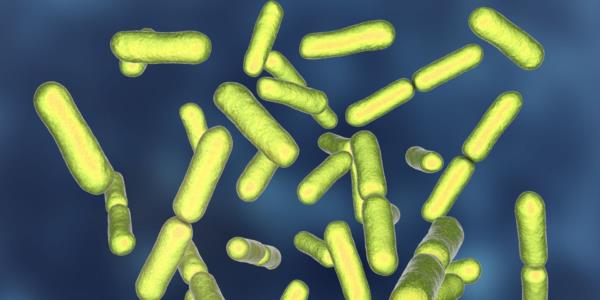
Recent scientific research has revealed the existence of microbes capable of breaking down persistent pollutants known as 'forever chemicals'. These substances, specifically PFAS (Per- and polyfluorinated alkyl substances), have raised concerns due to their resistance to environmental degradation.
PFAS, commonly found in various sources of pollution such as sewage and plastic waste, have been associated with health risks and contamination of food and water supplies. Notably, a lawsuit involving the drinks company Prime Hydration, co-owned by KSI and Logan Paul, highlighted the presence of PFAS in consumer products.
The groundbreaking study identified bacteria with the ability to dismantle the carbon-fluorine bonds present in certain PFAS through a process called defluorination. Enzymes within these microbes facilitate the breakdown of chemical bonds, releasing fluoride atoms in the process.
Remarkably, the research uncovered four species of Acetobacterium equipped with specialized pumps capable of expelling fluoride atoms, thereby safeguarding the bacteria from potential harm. This defense mechanism suggests a natural adaptation to dealing with toxic substances.
Researchers, led by Yujie Men from the University of California Riverside, believe that these microbial discoveries could revolutionize wastewater treatment for PFAS. Unlike conventional methods like heat treatment and filtration, the microbial approach offers a potentially more cost-effective solution, particularly for treating groundwater that is currently inaccessible to existing remediation techniques.
This innovative study opens up new possibilities for addressing the pervasive issue of 'forever chemicals' in our environment, offering hope for more effective and sustainable pollution control measures in the future.


.png?w=600)