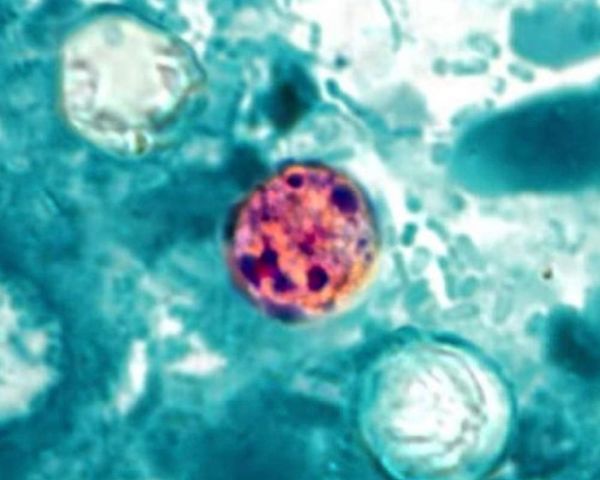
More than 300 people in southeast Michigan have been diagnosed with Cyclosporiasis — a parasitic intestinal illness — since June 22, 2026. The count was 170 on July 1 and jumped to more than 300 by July 3, an increase of 130 cases in 48 hours. Health officials have called it a "large and growing outbreak," and no food source has yet been identified.
The Michigan Department of Health and Human Services confirmed the outbreak in Monroe, Lenawee, Washtenaw, Wayne, Livingston, Shiawassee, and Jackson counties — with an additional 24 cases across 11 other Michigan counties, including the city of Detroit. The typical annual count for all of Michigan is around 50 cases. This outbreak has already produced six times that number.
What makes this especially frustrating for patients and clinicians: the standard stool test used to diagnose acute diarrhea does not detect Cyclospora.
Why This Matters
When a patient presents to an urgent care clinic, emergency room, or primary care physician with acute diarrhea, the reflex diagnostic order is typically a "routine stool culture" — a test that screens for common bacterial pathogens including Salmonella, Campylobacter, Shigella, and E. coli.
Cyclospora cayetanensis, the microscopic parasite that causes Cyclosporiasis, is not detected by a routine stool culture. Identifying it requires a specific laboratory request: a modified acid-fast stain or a Cyclospora-specific PCR. Most clinicians treating acute diarrheal illness in Michigan — or anywhere — do not automatically order these tests.
The result: patients with Cyclospora may receive a "negative stool test" result, be told their illness is likely viral, and go weeks without the correct diagnosis and effective antibiotic treatment. Untreated, Cyclosporiasis can last weeks to months, with symptoms that repeatedly relapse.
What We Know So Far
From the Michigan Department of Health and Human Services (MDHHS) and Click on Detroit / NBC News:
- Confirmed cases as of July 1 : More than 170 in 7 southeast Michigan counties
- Confirmed cases as of July 3 : More than 300 (up from 170 in 48 hours)
- Additional cases : 24 more in 11 other Michigan counties, including Detroit
- Age range : 8 to 84 years; median age 41
- Typical annual Michigan total : 50 cases per year
- Current count : Approximately 6 times the typical annual total
- Food source : Not yet identified; investigation ongoing by MDHHS and MDARD
- National context : Nationally, the CDC has confirmed 145 Cyclosporiasis cases in 17 states as of June 16, 2026 — Michigan cases are not included in this national count
"Outbreaks of cyclosporiasis have been occurring across the United States and now here in Michigan," said Dr. Natasha Bagdasarian, Chief Medical Executive at MDHHS. "Based on the unusual number of cases we have identified in a little over a week, we anticipate additional cases of illness being reported."
Where the Risk Is Highest
The seven-county cluster in southeast Michigan defines the primary outbreak zone:
- Monroe County : 67+ confirmed cases as of July 1 — the county with the highest confirmed count
- Wayne County : Includes Detroit and is confirmed in the outbreak cluster
- Lenawee, Washtenaw, Livingston, Shiawassee, and Jackson Counties : All confirmed in the outbreak
The concentration of cases in this specific geographic area suggests a common exposure source — likely a food product distributed in this region during the incubation window before June 22. The investigation by MDHHS and the Michigan Department of Agriculture and Rural Development (MDARD) is focused on identifying that product.
What the MDHHS and Local Health Officials Say
"We currently have 67 cases in Monroe County. We are currently investigating the source. This is caused by an intestinal parasite. It's from contaminated food," said Lindsay Patrick with the Monroe County Health Department in a statement to WXYZ Detroit.
Jennifer Bonsky, Director of the Human Food Division at MDARD, stated: "MDARD is committed to ensuring food safety across the state and is working in partnership with local health departments to identify the source of the outbreak and keep consumers safe."
Clinicians at Michigan hospitals and urgent care clinics are being specifically urged to consider Cyclosporiasis in patients presenting with acute gastrointestinal illness — and to order the correct diagnostic test.
What the Evidence Shows — and What It Does Not
MedicalDaily Evidence Check
- Data source : Michigan Department of Health and Human Services; Monroe County Health Department; NBC News; Click on Detroit
- Cases as of July 3 : 300+ in 7 southeast Michigan counties; investigation ongoing
- Food source : Not yet identified; no recall issued
- What the data show : A large, rapidly growing parasitic outbreak concentrated in a specific geographic area in southeast Michigan — consistent with a contaminated food product with regional distribution
- What is not yet known : The specific food, supplier, or contamination source
- Critical diagnostic limitation : Standard stool cultures do not detect Cyclospora; a specific modified acid-fast stain or PCR test is required
Who Faces the Greatest Risk?
Any person who consumed fresh produce in the affected Michigan counties in late May or June 2026 is potentially exposed. The highest clinical risk for prolonged illness includes:
- Immunocompromised individuals, for whom Cyclosporiasis can last significantly longer and require more intensive treatment
- Older adults
- Individuals who have already experienced weeks of diarrhea with no diagnosis — who may be infected and untreated
Symptoms and Warning Signs to Watch For
Cyclosporiasis symptoms include:
- Frequent, sometimes explosive watery diarrhea — the hallmark symptom
- Stomach cramping and bloating
- Nausea and vomiting
- Loss of appetite
- Fatigue and muscle aches
- Low-grade fever
The most diagnostically important feature: Cyclosporiasis often waxes and wanes— symptoms improve for a few days, then return. A patient who received a negative standard stool test and was told their illness is viral may actually have untreated Cyclospora if their symptoms have persisted or recurred.
What You Can Do Now
- If you live in Monroe, Lenawee, Washtenaw, Wayne, Livingston, Shiawassee, or Jackson counties and have had prolonged, recurring diarrhea since late May or June, contact your healthcare provider.
- Tell your physician specifically : "I want to be tested for Cyclospora. I need a modified acid-fast stain or a Cyclospora-specific PCR, not just a routine stool culture."
- Do not assume a negative routine stool test rules out Cyclospora. It does not.
- If you have already had a "negative stool test" but symptoms have persisted or returned, go back to your provider and ask specifically for Cyclospora testing.
- Effective treatment is available : The antibiotic combination trimethoprim-sulfamethoxazole (Bactrim) is highly effective for Cyclosporiasis. Without a correct diagnosis, you will not receive it.
Cost and Access: What Patients Should Know
Cyclospora-specific testing must be specifically requested by a physician. The test is covered by most insurance plans; generic trimethoprim-sulfamethoxazole (Bactrim) is available at most pharmacies for under $10 with a GoodRx discount.
Patients without primary care access can contact their county health department or a community health center. Monroe County residents with questions can contact the Monroe County Health Department directly.
What Happens Next
MDHHS and MDARD are continuing the investigation to identify the contaminated food source. The case count, already at more than 300 and still growing, is expected to rise further as health officials expand testing and surveillance. MedicalDaily will report immediately when a food source is identified or a recall is issued.
The Bottom Line
More than 300 people in southeast Michigan have been diagnosed with a parasitic intestinal illness in under two weeks — six times the state's typical annual total. No food source has been found. And the most common diagnostic test ordered for acute diarrhea does not detect this parasite. If you have had prolonged or recurring watery diarrhea in the affected counties since late May, you need a Cyclospora-specific test — not a routine stool culture. Ask for it by name.