Mexico’s cattle exports are facing serious challenges this year thanks to the continued threat of the flesh-eating New World screwworm parasite.
While there have been no instances of the New World screwworm in U.S. cattle this year, and the U.S. Department of Agriculture has taken aggressive steps toward trying to eliminate the parasite, Mexico's slumping cattle exports are driven by U.S. fears that their cattle supply could be infected.
Approximately 1.2 million Mexican cattle cross into the U.S. every year, according to the Washington Post. But after a cow in southern Mexico tested positive for screwworm last November, U.S. imports of the nation's cattle have fallen to about 230,000.
The U.S. initiated a cattle import ban on Mexican animals in November 2024, but has occasionally lifted and reinstated it since then.
The discovery of screwworm in Mexican livestock was significant — and troubling — for several reasons. First, the parasites are flesh-eaters than can quickly taint a significant number of animals. The maggots burrow into warm-blooded animals, creating putrid, festering wounds and occasionally fatal weight loss in infected animals.
Second, the screwworm had been eliminated from the U.S. in 1966 and then in Mexico in 1991. The parasites re-emerged in North America in 2023 after they successfully passed the Darien Gap in Panama, according to the American Society for Microbiology. The discovery of an infestation in Mexican cattle set American officials on edge.
The first elimination of the screwworm was the result of collaboration between the U.S., Mexico, and several Central American nations. The nations introduced sterile female New World screwworm flies into the existing population, and over time the population collapsed.
The USDA and Mexico are planning to use the same method to wipe out the screwworm again, but projects like the targeted extinction of a creature the size of a housefly take time. That leaves Mexican ranchers left with the present consequences of bottoming-out cattle exports.
“We’re trying to almost beg the USDA to keep our Nogales border open,” Jorge Maldonado, the mayor of Nogales, Arizona, told the Washington Post.
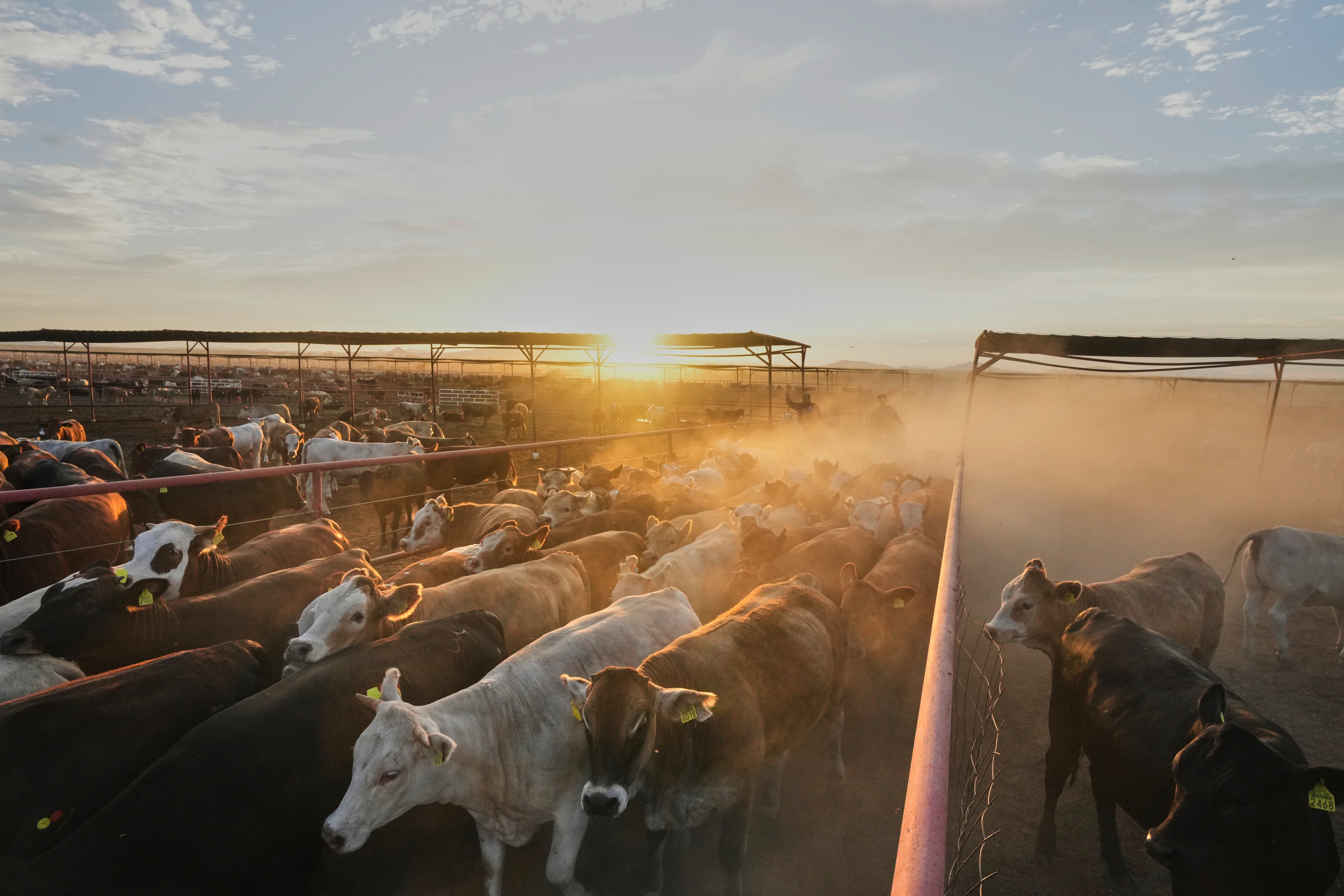
He operates a small cattle ranch in Mexico, and told the paper that had he'd have made an extra $10,000 if he'd been able to sell a recent batch of animals to buyers in the U.S.
While his own losses sting, he's far more concerned for the residents of his city, which has collected up to 15 percent less in bed taxes due to a lack of visitors who typically stay overnight during cattle trade negotiations. He said the screwworm reemergence has been a "catastrophe" for local businesses centered on the cattle industry.
Juan Manuel Fleischer told the Washington Post that he runs one of those industries. He helps to sort cattle and guides them from small Mexican ranches across the border to larger U.S. cattle yards after negotiations are finalized.
Learning that the U.S. was closing its doors to Mexican cattle for the foreseeable future left Fleischer reeling.
“I said, ‘Oh, my god, it’s going to kill us. This will break us,' ” he told the Washington Post.
Mexican President Claudia Sheinbaum has called for the U.S. to reopen the border for Mexican cattle, calling it a "top priority."

U.S. Secretary of Agriculture Brooke Rollins made clear in a September statement that the current administration does not trust Mexico to contain the screwworm.
"Protecting the United States from NWS is non-negotiable and a top priority of the Trump Administration,” she said. “This is a national security priority. We have given Mexico every opportunity and every resource necessary to counter NWS since announcing the NWS Bold Plan in June 2025. Nevertheless, American ranchers and families should know that we will not rely on Mexico to defend our industry, our food supply, or our way of life."
According to Maldonado, USDA officials told him the borders will remain closed at least until the end of the year.
"We are supporting robust response activities in Mexico and Central America to push the pest back, and we have teams in place along the U.S. border to bolster our defenses and stay ahead of it," the USDA said on its website. "If screwworm crosses into the United States, we are ready to act quickly and aggressively to eliminate it."
The Independent has requested comment from the USDA.