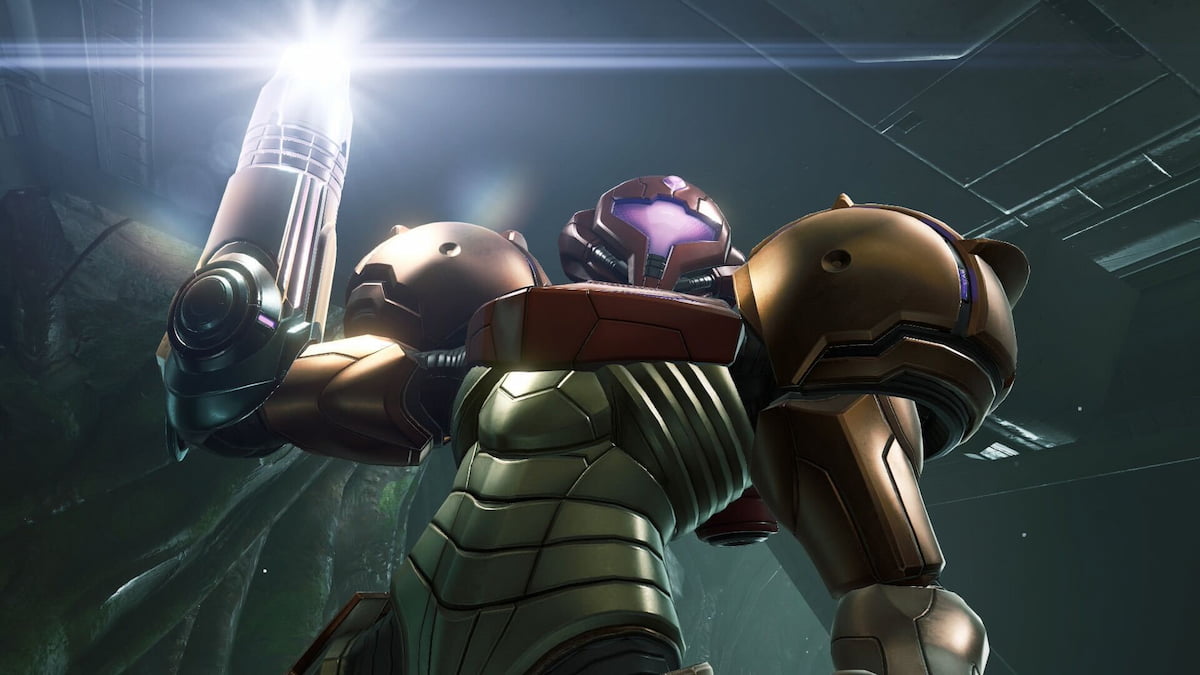
Just over seven years since it was first revealed as a Nintendo Switch game, Samus Aran's latest adventure is finally here, with a suped-up Switch 2 version to boot. Metroid Prime 4: Beyond is the bounty hunter's latest first-person adventure, and it sets a new benchmark for visuals on the new console.
While the experience is pretty enjoyable from beginning to end, it's far from the best Metroid title, and it's not even the best Metroid Prime sub-series game, either. It's still worth your time and attention, however, and is a worthy new entry in the decades-old series.
A new frontier
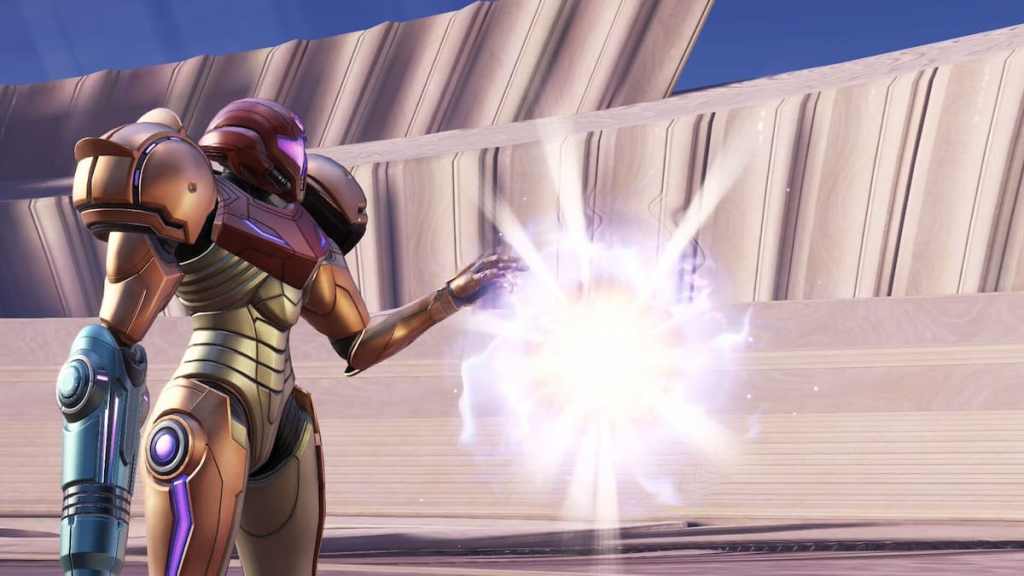
Metroid Prime 4: Beyond feels like a fresh start for the franchise, which makes sense since the last title Metroid Prime 3: Corruption launched for the Wii way back in 2007. The gameplay is immediately familiar, which is both a good and bad thing because it remains true to the series, but feels like it lacks the punch that FPS gamers in 2025 are accustomed to.
In Samus's adventure on the mysterious planet Viewros, where she and some Galactic Federation troopers got stranded in a weird teleportation disaster, the game remains true to the franchise's formula. Samus loses her abilities and must work to gain them back, often having to backtrack and return to previous areas to access places she couldn't prior to getting a new ability. It's Metroid, but in first-person.
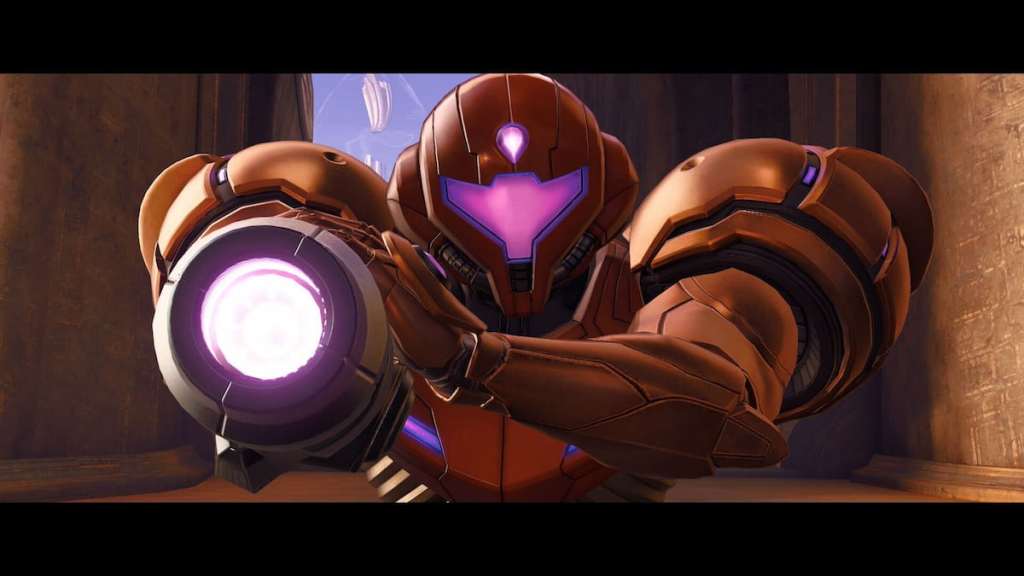
Unfortunately, the combat gameplay itself feels lackluster in comparison to its other segments. Samus's arm cannon feels like it lacks any sort of impact (some more audio or visual feedback would help), making it feel like you're shooting marshmallows at the variety of flora and fauna across Viewros. The shooting itself feels floaty and unimpactful, and nowhere near how it should feel for a high-powered bounty hunter with a massive blaster on her arm.
The bulk of the game also lacks any real challenge on its base normal difficulty (only Normal and Easy are available from the start), making the standard enemies and battles you do come across feel uneventful and unimportant.
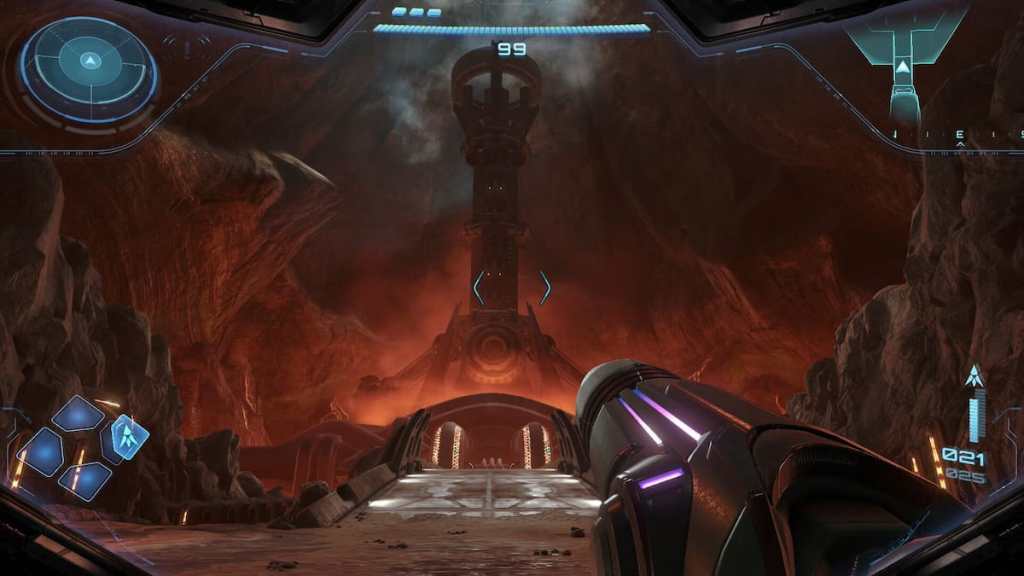
Boss fights, however, are where Metroid Prime 4 shines. Using Samus's powered-up abilities like missiles, a psychic grapple, elemental salvo blasts, and figuring out which skill to use to take big bads down so you can continue on your journey is the best part of the game's FPS combat. These moments are few and far between, though, as you’re mostly tasked with dispatching smaller and very non-threatening enemies while traveling between areas and figuring out what to do next.
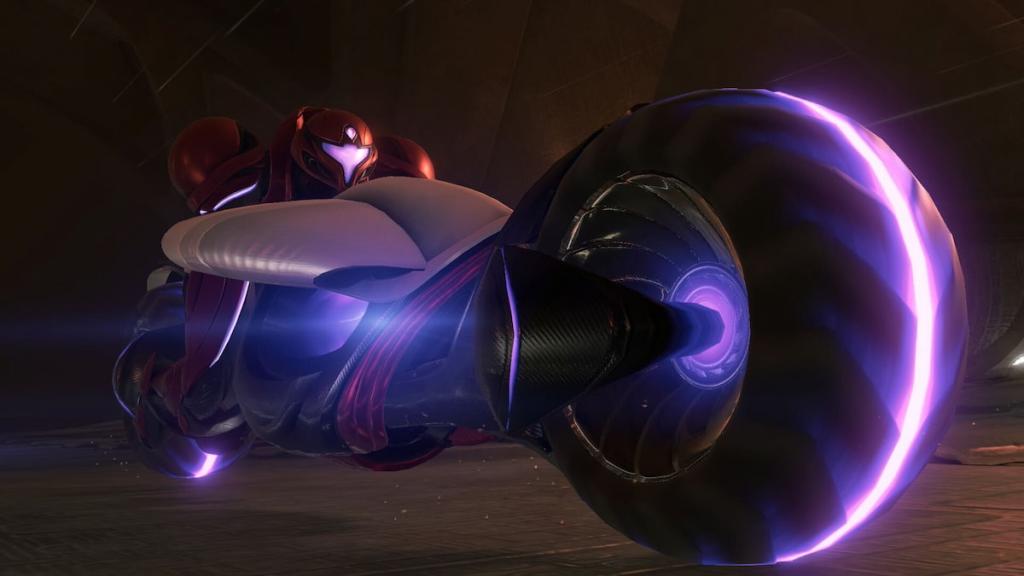
Thankfully, the combat portions are split up with some trademark light puzzle-solving and a new feature—the open-world exploration in the motorcycle-like VI-O-LA vehicle, which is integral to navigation of Viewros. The large Sol Valley desert acts as a hub when traveling to and from the game's varied locations, and while it doesn't have much to do in it outside of gathering resources or fighting minor enemies while traveling between areas, riding around on the bike is a blast.
Samus also uses her newfound psychic abilities in combination with her combat visor to scan anything and everything in the environment to learn more about her surroundings, use telekinesis-like abilities, and unlock new skills that the bounty hunter normally wouldn't be able to utilize.
In spite of its myriad faults, the game is still very fun to play, and I enjoyed my 11.5 hours with it on my first playthrough. It's a gorgeous Switch 2 title, and it runs flawlessly in docked (4K/60 FPS or 1080p/120 FPS) or handheld (1080p/60 FPS or 720p/120 FPS) modes, making it feel like joyous eye candy throughout.
Exploration and discovery, puzzle elements, and boss battles save the day from the monotonous gameplay moments in-between, where there's nary a challenge to be had until Hard Mode is unlocked upon first completion. Before the final boss battle, I died just two or three times in my playthrough, which is likely meant to be an accessibility thing more than anything else, but it still left me feeling wanting when it comes to keeping the shooter gameplay engaging, especially since you can't increase the difficulty until you finish the game once.
In that same vein, there are multiple control schemes to play with, including JoyCon mouse controls and Wii-like gyroscopic aiming. Both are decent options that provide unique opportunities in play style, but I still found the classic Pro Controller to be my favorite method.
Mystery vs. history
In Beyond, the story events have very little connection to previous games in the series, which makes it accessible to newcomers and also feels like an entirely new arc. Samus plays the silent protagonist yet again, and the villainous Sylux (returning from the spin-off game Metroid Prime: Hunters on the Nintendo DS) shows up with Metroids in tow, but he's a vastly underutilized presence throughout the game's story after being the catalyst of its events.
The bulk of Metroid Prime 4 feels like a setup for a new trilogy, with the focus taken off Samus and Sylux and put instead on the mysterious ancient Lamorn alien race and Galactic Federation troopers Samus meets along the way. This makes the narrative quite hit-or-miss.
Unraveling the mystery of the Lamorn and what happened on Viewros is the story's main pull. Samus has been designated as their "Chosen One" to help spread their knowledge and history throughout the cosmos, and reading lore entries found throughout the world helps unravel the backstory of what happened to the Lamorn. The last remaining members of the race have gifted Samus with their psychic abilities so that she can carry out their will, and she does so with little resistance.
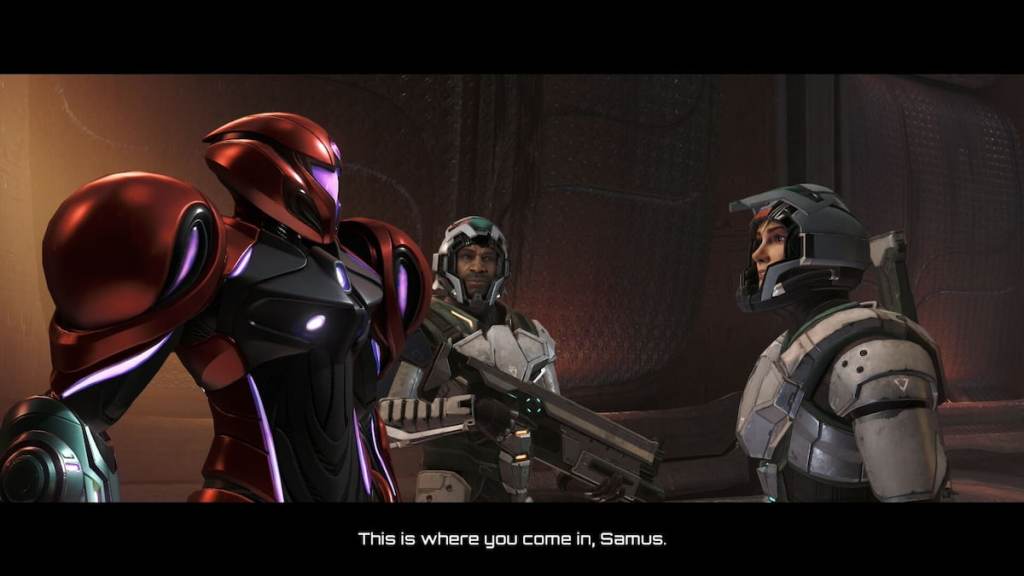
Several Galactic Federation troopers are spread around Viewros, and Samus meets up with them on her adventure. They begin to gather at a central base of sorts as they figure out how to get back home. The characters are pretty stereotypical soldier types—the nerdy engineer, the grizzled veteran, the wide-eyed rookie, etc.—but they each bring some levity and humanity to Samus's stoic silence. They help out with upgrading Samus's suit and abilities and eventually form a team to save the day together, and I found them to be a nice addition to the game overall.
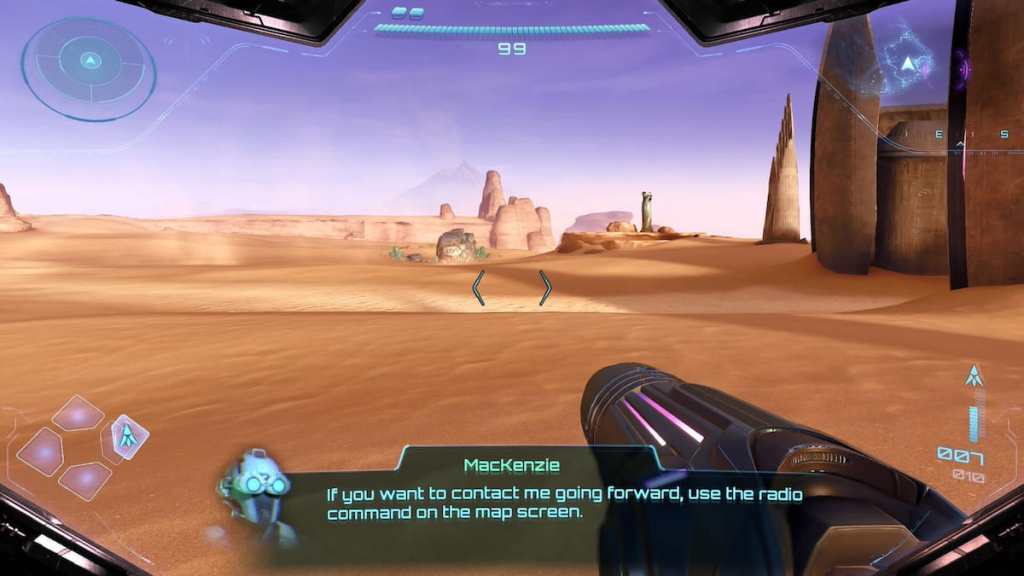
They do, however, have a nasty habit of backseat gaming and spelling things out for you before you even have time to figure things out on your own. This was a worry of some after a preview event in early November that I also attended, and it ended up being justified. Whether you're in combat missions with them or they're chiming in with support over radio comms (thankfully, a rare occurrence), they can't help but spell things out for you if you take too long trying to discern it for yourself.
When the game's events come to an abrupt end, you're left with the choice of starting New Game Plus and resetting all of your Scan and Item progress, which is unfortunate because unlocking a major flashback cutscene in the gallery requires 100 percent completion (or a $30 Amiibo). The point of no return is quite obvious, though, so if you want to get everything the game has to offer, make sure to scan every single thing you come across and gather every power-up item before heading to the end mission.
There's a memorable part in the game where Samus first meets one of her NPC cohorts, who asks her to identify herself. She then steps into the light, and they know immediately who she is. She's a legend. Her reputation precedes her. She is that girl. That's kind of how Metroid Prime 4 feels, in a way. Samus shows up and does badass stuff without saying a word, and that's enough to make the experience worth it.
But sadly, I can't help but feel like it could have been so much more, even if the game is meant to be a bit of a cliffhanger experience and jumping-off point for whatever comes next.
The post Metroid Prime 4: Beyond review – Welcome back, Samus appeared first on Destructoid.