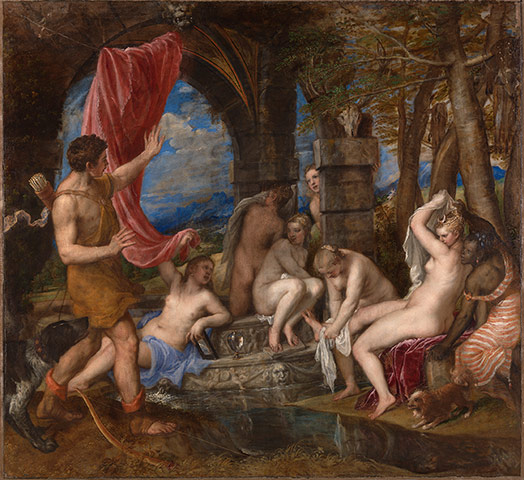
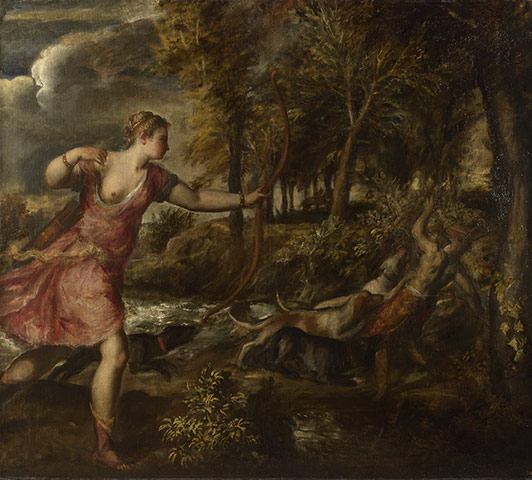
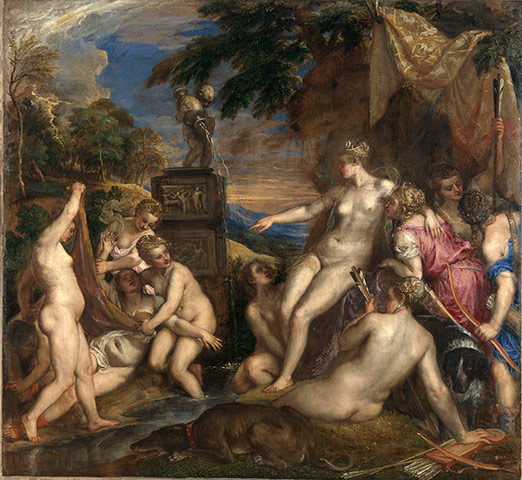
Diana and Actaeon, by Titian (1556-59), one of the three paintings that was interpreted for the projectPhotograph: The National Gallery, LondonThe Death of Actaeon, by Titian (1559-75). The paintings are themselves artistic reworkings of an episode from Ovid's poem MetamorphosesPhotograph: The National Gallery, LondonDiana and Callisto, by Titian (1556-59). The three masterpieces will hang together for the first time since the 18th centuryPhotograph: The National Gallery, London
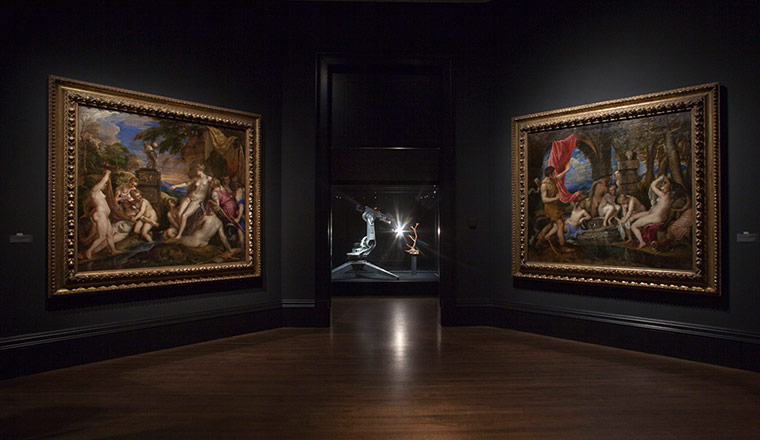
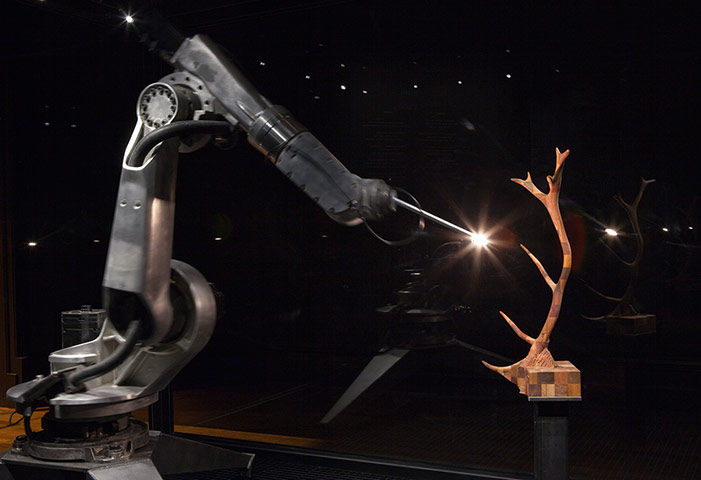
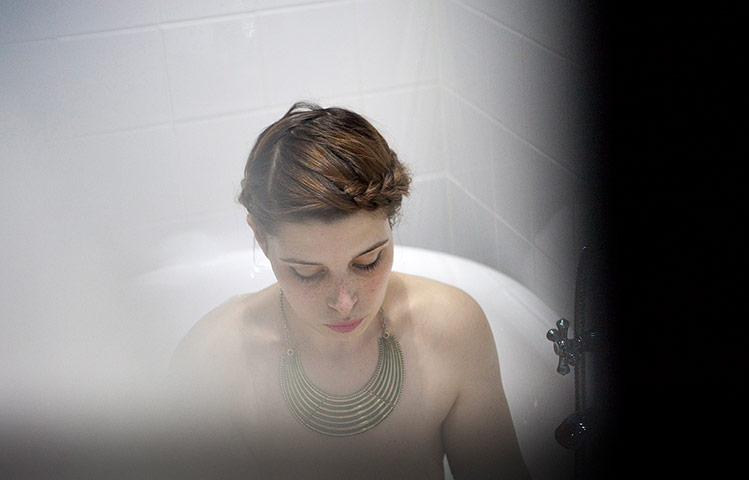
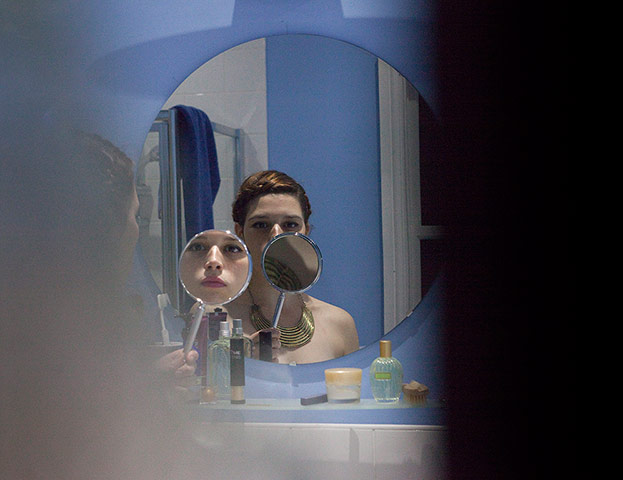
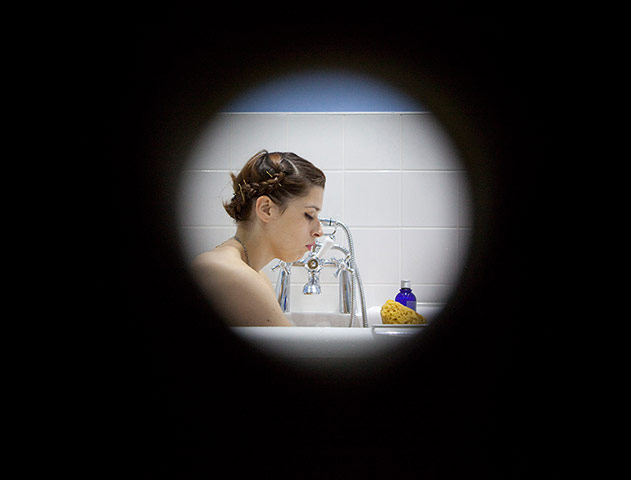
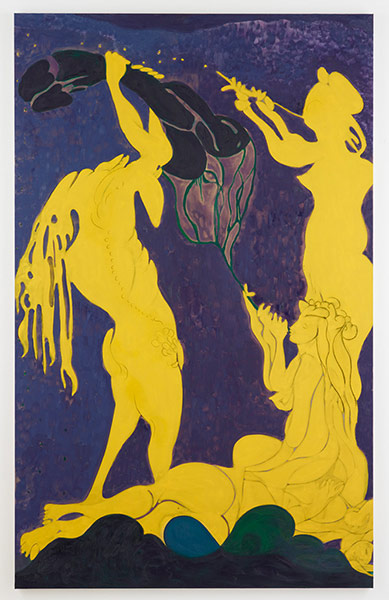
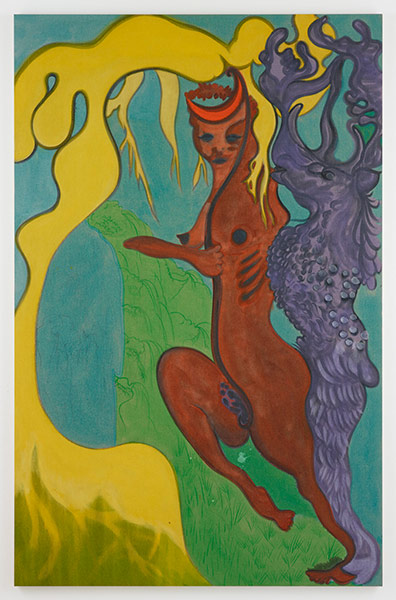
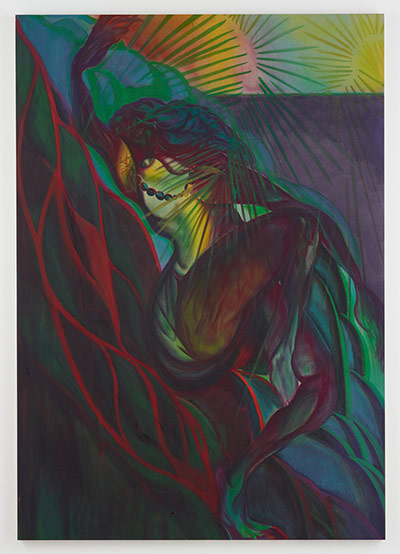
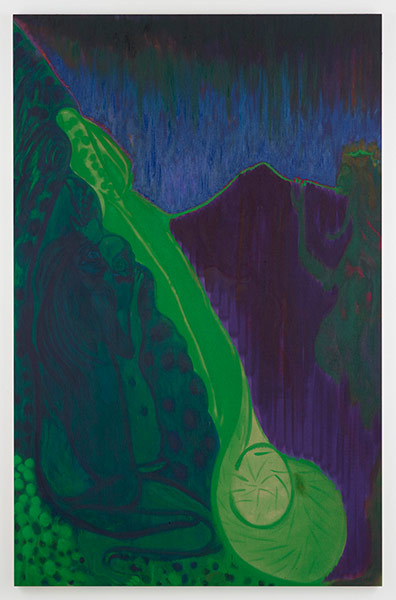
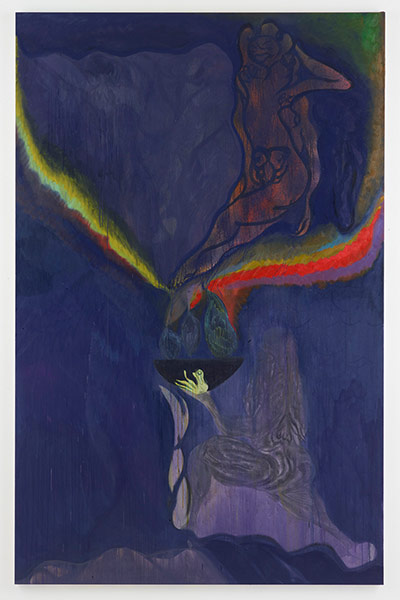
As you enter the exhibition space, the original Titians flank a doorway beyond which lies Conrad Shawcross's Trophy (2012) – featuring a functional robot with a light at the end of its armPhotograph: Courtesy the artist and Victoria Miro Gallery, LondonIn Shawcross's work, the robot, Diana, moves about an antler that it – she? – has carved out of wood: the huntress examining her trophyPhotograph: Courtesy the artist and Victoria Miro Gallery, LondonFor Mark Wallinger's Diana (2012), visitors enter a dark room, within which is a second structure: inside this, peepholes (keyholes, cracks) reveal a bathroom, where – draped in an armchair, or soaping herself in the bath, or cleaning her face at the mirror – is a naked womanPhotograph: The artist, courtesy of the Anthony Reynolds GalleryWallinger's installation takes as its defining image the moment in Diana and Actaeon when the hunter accidentally stumbles upon the chaste goddess by her bathPhotograph: The artist, courtesy of the Anthony Reynolds GalleryDiana's vengeance is grim: she turns Actaeon into a stag, who is consumed by his own hunting dogs – painted by Titian in The Death of Actaeon. Wallinger calls the myth 'the ultimate fable about voyeurism'Photograph: The artist, courtesy of the Anthony Reynolds GalleryOvid – Actaeon, by Chris Ofili (2011-2012), is yet another utterly different approachPhotograph: Courtesy the artist and Victoria Miro Gallery, LondonOvid – Stag, by Chris Ofili (2012). The artist transposes the classical world to the landscape of TrinidadPhotograph: Courtesy the artist and Victoria Miro Gallery, LondonOvid – Bather, by Chris Ofili (2010-12). The artist draws on critic Paul Valéry's remark about Titian that 'It is obvious that, for him, to paint meant to caress'Photograph: Courtesy the artist and Victoria Miro Gallery, LondonOvid – Lust, by Chris Ofili (2011-12). The phallus represents what Ofili calls 'the male burden of desire'Photograph: Courtesy the artist and Victoria Miro Gallery, LondonOvid – Windfall, by Chris Ofili (2011-12). His works reflect his belief that sex and lust were the driving forces that led to the fates of Actaeon and CallistoPhotograph: Courtesy the artist and Victoria Miro Gallery, London
Sign up to read this article
Read news from 100’s of titles, curated specifically for you.





.png?w=600)