Next time someone uses “stan” as a verb or “peak” as an adjective, resist the urge to correct their grammar – according to the latest additions to Merriam-Webster, these are now perfectly acceptable uses.
In among the 640 new additions, “snowflake” has notably been given a rebrand, no longer meaning simply "a flake or crystal of snow". It's long been a catch-all derogatory term of choice to throw at anyone under 35, especially in the context of identity politics. As of today, it officially means “someone who is overly sensitive”.
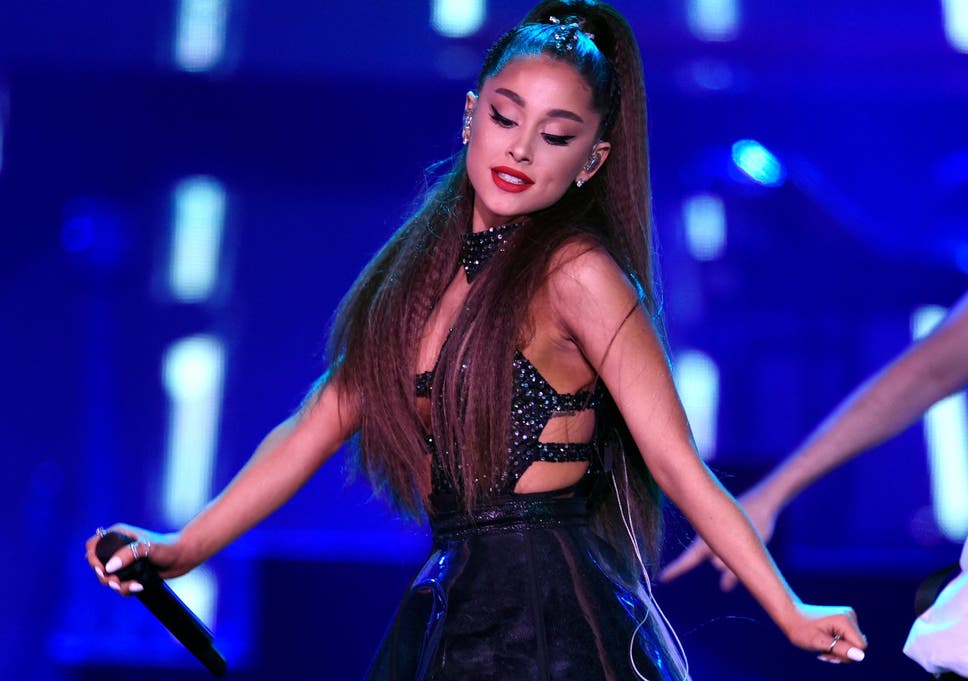
Other additions include: “buzzy” (what everyone is talking about – as in Ariana Grande’s Coachella performance), “on-brand” (also Ariana Grande’s Coachella performance), “swole” (Ariana Grande’s muscular bodyguards at her Coachella performance) and “gig economy” (encompassing the people driving your Ubers, bringing your Deliveroos, and probably serving the drinks during Ariana Grande’s Coachella performance?).
A lot of the included terms are specific to the vernacular younger generations, with many of them borrowing from pop culture, and becoming ubiquitous across social media platforms.
Referring to an extreme fan as a “stan”, for example, famously comes from Eminem’s 1999 song, but its use as a verb (I stan, you stan, he/she/it stans) is relatively recent, and often refers to cult internet fandom.
Egot – the accomplishment of winning an Emmy, Grammy, Oscar, and Tony Award in one's lifetime – has also been added to the list. While its origins date back to the 1980s, the extensive use of the acronym on Twitter during awards seasons has led to its prominence.
Social politics are also at play here. As debates about trans rights and gender norms rage on, Merriam-Webster adds “gender nonconforming” and “top/bottom surgery” to reflect the ever increasing visibility of and discussion around LGBT+ issues.
Explaining the additions, Merriam-Webster writes: “The English language never sleeps, and neither does the dictionary. The work of revising a dictionary is constant, and it mirrors the culture’s need to make sense of the world with words.”
Last year, the words added included “adorbs”, “rando” and “fave”.