
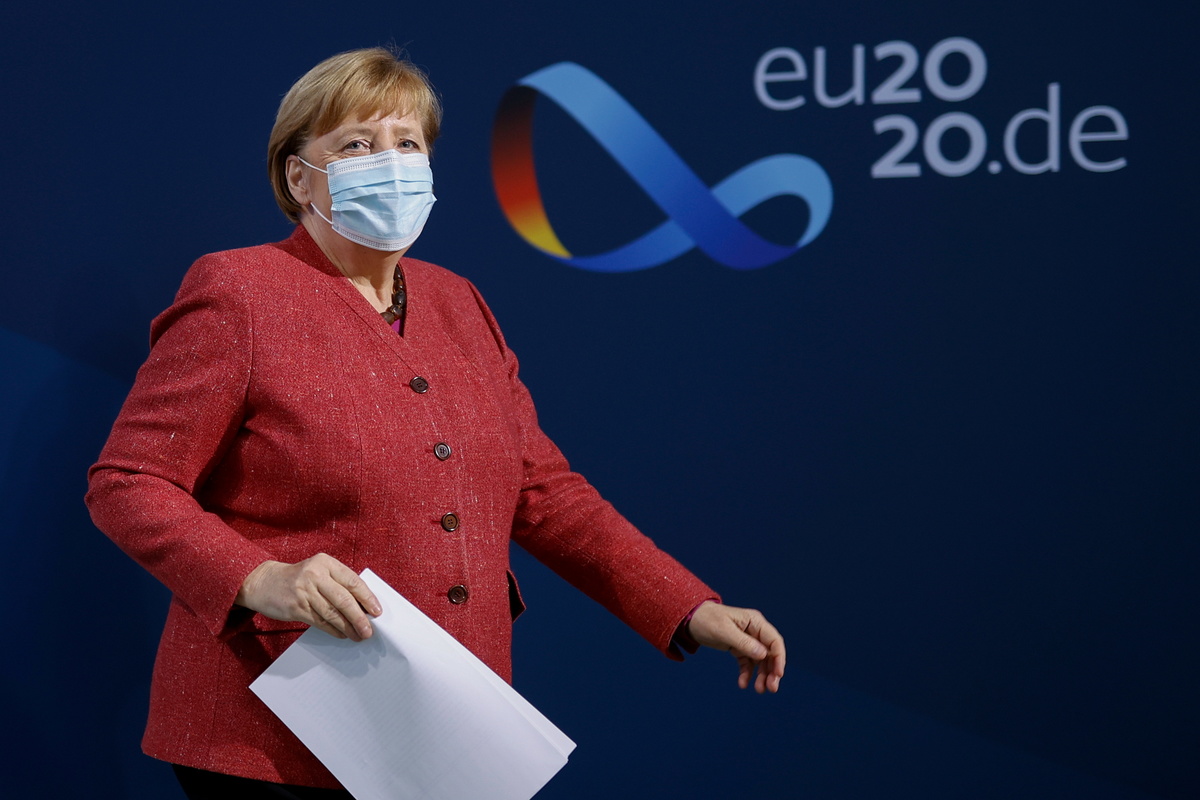
German Chancellor Angela Merkel said on Monday leaders of the country's 16 federal states were resisting her efforts to agree stricter measures to fight a second wave of the coronavirus pandemic, two weeks into a partial nationwide lockdown.
Merkel had pushed for tougher measures at a meeting in Berlin, but state leaders wanted to wait and see the effects of current restrictions, she told a news conference.
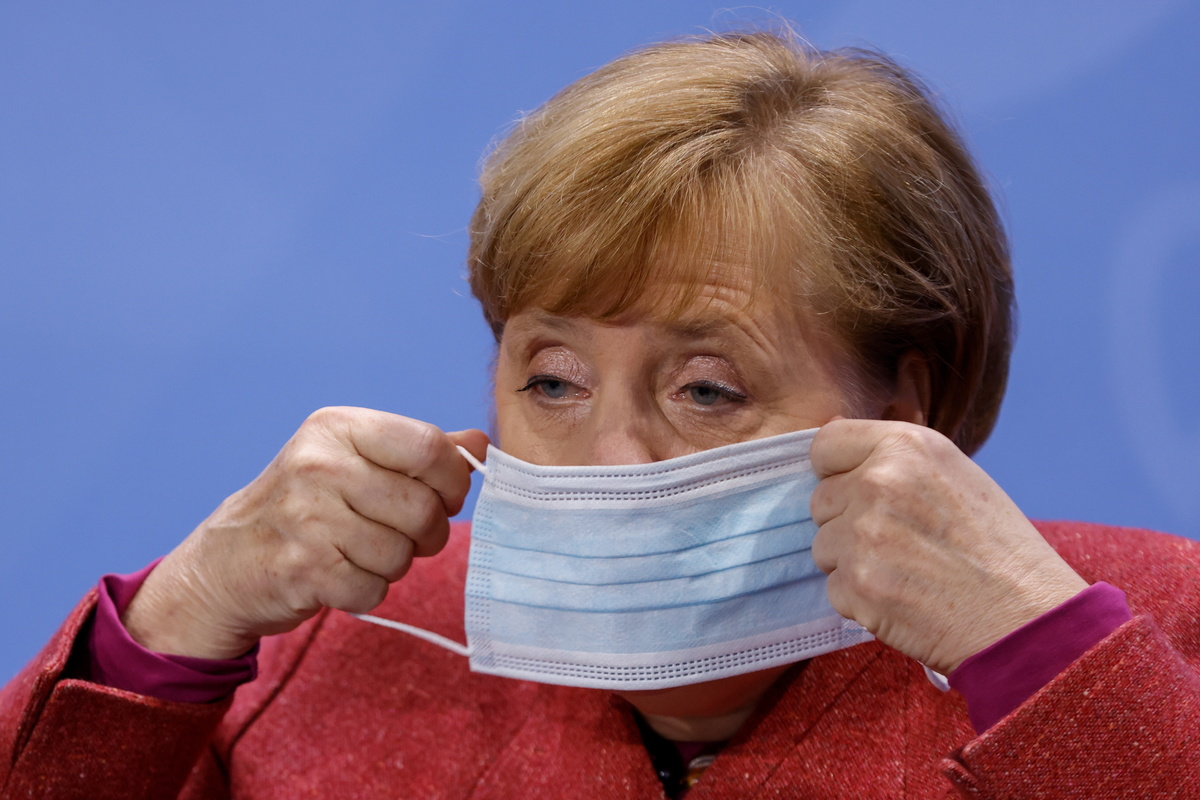
"The majority of states declined to change legal measures roughly one week ahead of the next meeting... I could have imagined imposing further contact restrictions today," she said.
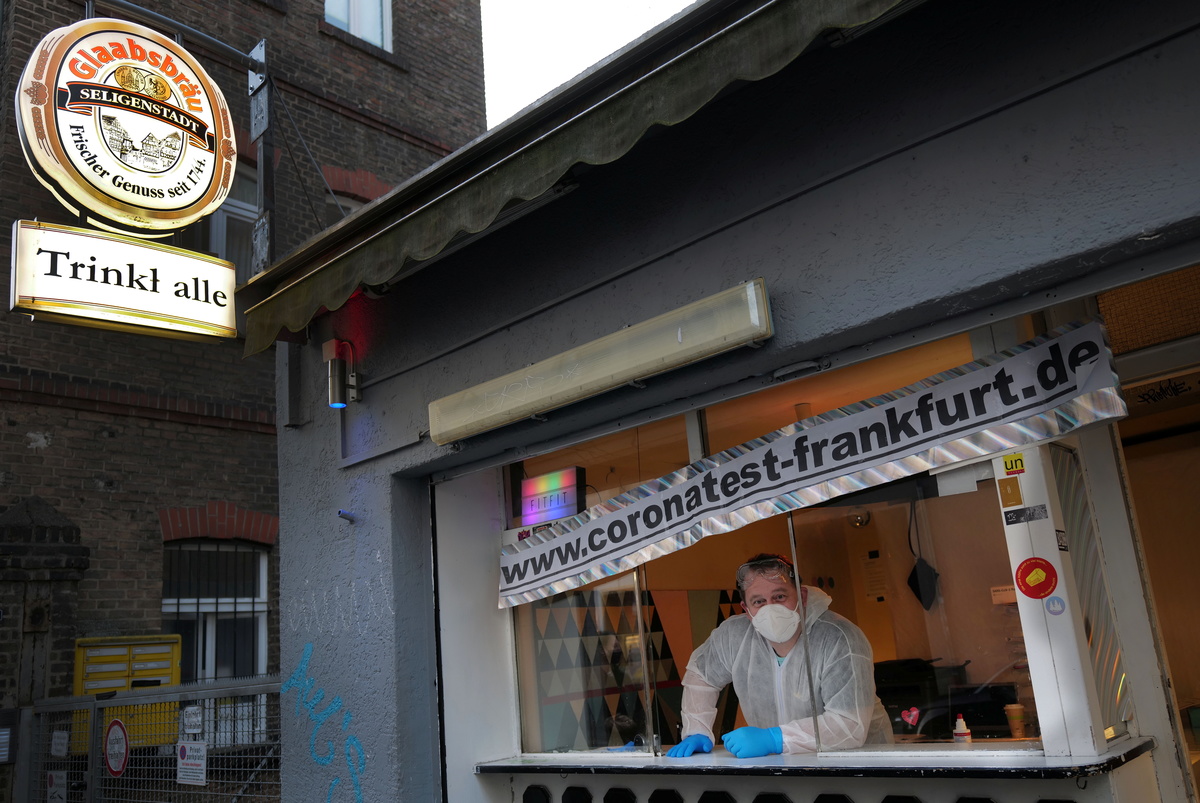
Germany on Nov. 2 imposed a month-long "lockdown lite" to rein in a second wave that is sweeping much of Europe. Bars and restaurants are closed, but schools and shops remain open.
Private gatherings are limited to a maximum of 10 people from two households.
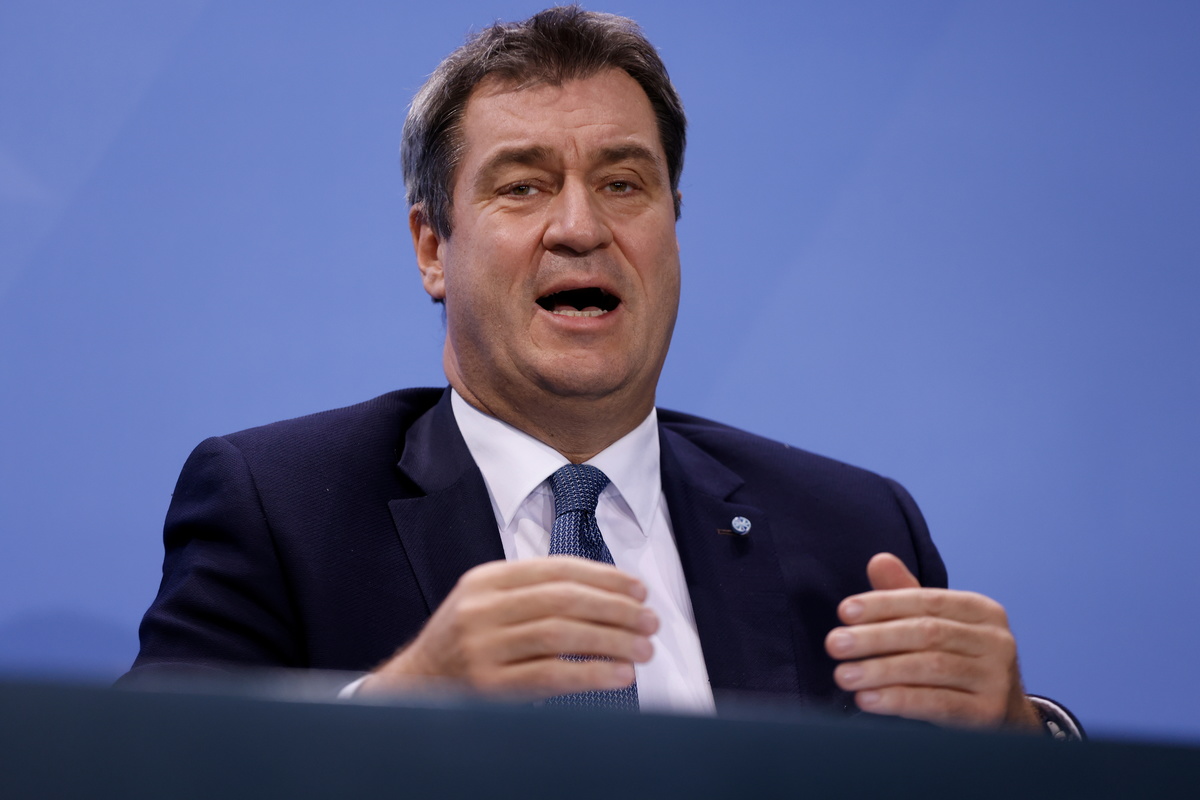
Merkel had proposed additional measures including making it mandatory to wear masks in schools and shrink class sizes, and urging citizens, and children, to limit social contacts to one household or friend.
"The contact restrictions are the formula for success," she said. "We need more of this. We need to restrict contacts further to reach our goals."
She will meet with the state leaders again on Nov. 25 to discuss whether to impose further restrictions or extend the current ones into December.
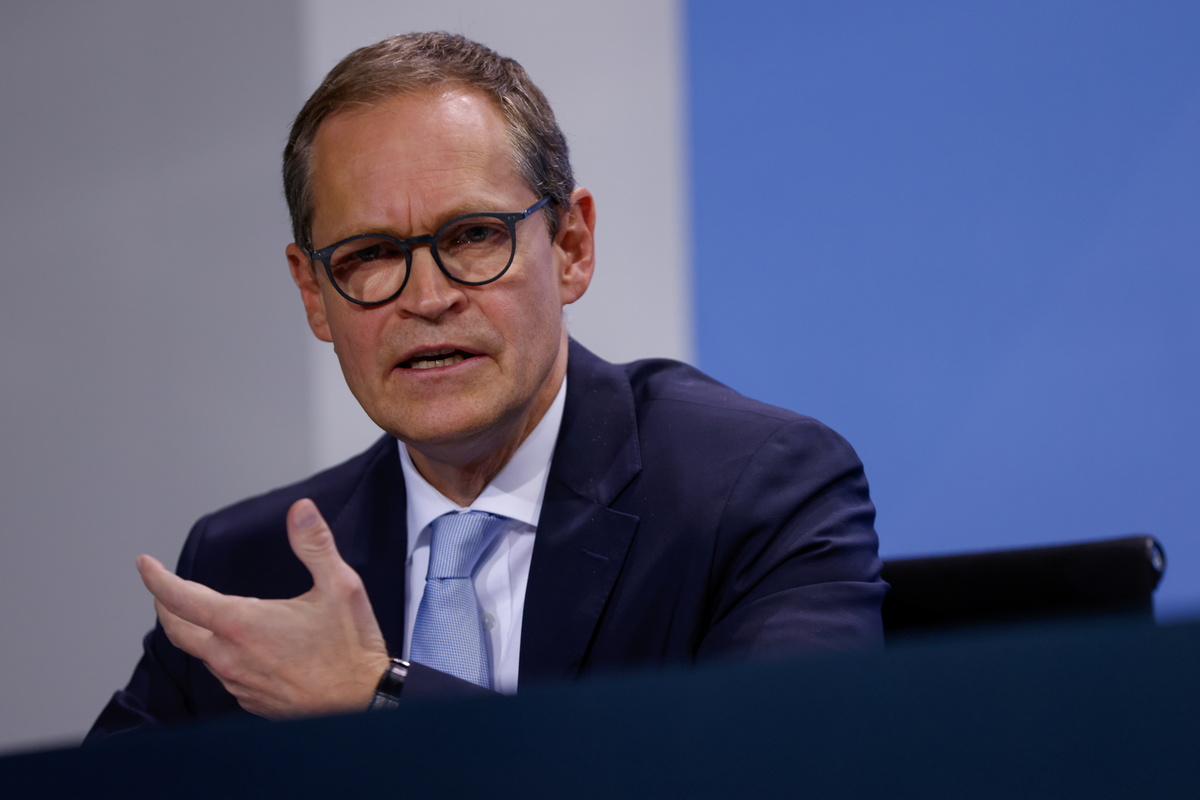
Germany, Europe's largest economy, was widely praised for keeping infection and death rates below those of many of its neighbours in the first phase of the crisis but is now in the midst of a second wave, like much of the rest of Europe.
Merkel has said that the seven-day incidence of the virus must fall below 50 per 100,000 residents before serious re-opening can be contemplated. Germany currently has 143 cases per 100,000 residents, according to the Robert Koch Institute (RKI) for infectious diseases.
Germans' willingness to further limit their social contacts will be key to getting the second wave under control, she said.
"Every contact that doesn't happen is progress in the fight against the pandemic," Merkel said.
(Additional reporting by Michael Nienaber, Thomas Escritt, Christian Kraemer, Hans Seidenstuecker; Writing by Maria Sheahan; Editing by Alex Richardson and Sonya Hepinstall)



.png?w=600)








