The two companies licensed to sell measles, mumps and rubella vaccine in the United States have now put a timeline on the executive order directing that the shot be split into three. Merck said obtaining FDA approval for single disease vaccines and then manufacturing and commercializing them could take years, "potentially as many as 10," even under current expedited review pathways.
That statement, and a parallel one from GSK, changes what the order practically means for households. It is no longer a question of whether parents will be offered a choice at their next pediatric visit. It is a question of whether the products the order describes will exist during the childhood of any infant born this year.
For families booking appointments now, the answer at the counter is unchanged. Separate measles, mumps and rubella vaccines are not licensed in the United States, and the combined shot remains the only option in supply.
The Manufacturing Reality Behind the Order
Merck stopped supplying standalone measles, mumps and rubella vaccines in the United States in 2008. Since then, no monovalent version of any of the three has been licensed here. The executive order acknowledges the gap in its own text, conditioning the split on single disease products becoming domestically available.
Bringing them back is not a matter of restarting a line. Each single disease vaccine would need its own clinical development program, its own safety and efficacy data in children, and its own Biologics License Application reviewed and approved by the FDA. Manufacturing capacity would then have to be built or converted, and each product would need to clear lot release testing before distribution.
Merck and GSK both said in statements that no published scientific evidence supports separating the vaccines, and pointed to decades of data on the combined product. Merck has previously said that using individual components of combination vaccines increases the number of injections a child receives and may result in delayed or missed immunizations. GSK said its vaccines reduce missed doses and improve immunization coverage.
The order also directs the HHS Task Force on Safer Childhood Vaccines to present plans within 90 days, covering single vaccine options, timing and sequencing, adjuvant research and safety monitoring, while guaranteeing that combination vaccines remain available. Those plans can be written regardless of whether monovalent products exist. They cannot create a licensed vaccine.
Families Booking Appointments Face No Change Today
Nothing about a child's appointment changes because of this. The combined MMR vaccine, given in two doses at 12 to 15 months and again at four to six years, remains what pediatricians stock and what the CDC and the American Academy of Pediatrics recommend.
Parents who have been told to wait for separate shots should understand what waiting means in practice. A child who delays the first MMR dose is unprotected against measles during a period when measles is circulating in multiple states. Two doses provide about 97 percent protection against measles. One provides about 93 percent. Zero provides none.
That matters more this year than in most. MedicalDaily has reported on measles cases continuing to accumulate as school begins in Pennsylvania and Ohio, and on the executive order itself and what it does and does not do.
The cost picture is also worth understanding. The combined shot is covered without cost sharing by most insurance and is available free to eligible children through the federal Vaccines for Children program. Three separate products, if they ever arrive, would mean three separate administration fees and additional office visits, a burden that falls hardest on hourly workers and families without paid leave.
Where the Order Sits Against Existing Law and Practice
Implementation faces more than a manufacturing problem. A federal judge in Massachusetts issued a preliminary injunction on March 16, 2026, blocking the administration's revised childhood immunization schedule and reverting federal guidance to the earlier version. The government appealed to the First Circuit at the end of April, and a congressional analysis of the litigation lays out what remains unresolved. Most pediatric practices follow the American Academy of Pediatrics schedule, which has not changed.
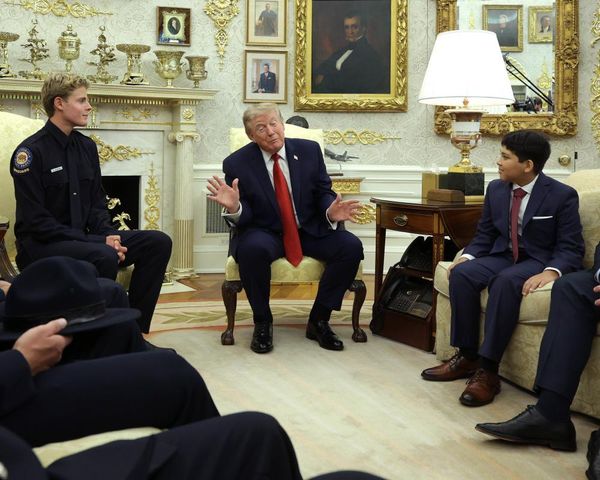
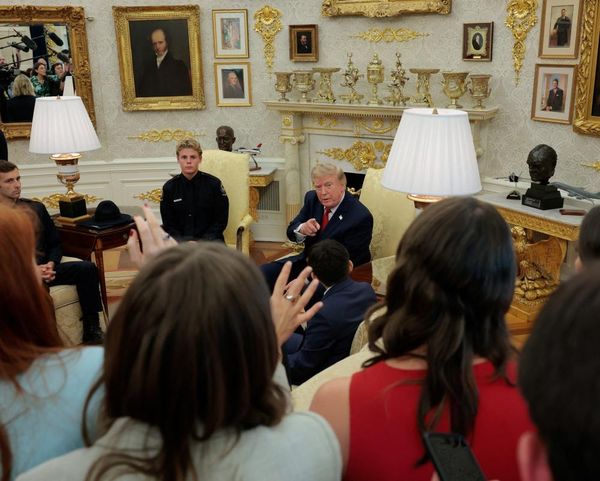
There is also the question of what the order is meant to achieve. At the signing, Trump tied the new recommendations to autism and suggested the MMR components might be more dangerous given together than separately, then stepped back from that claim when a reporter pressed him. Combination childhood vaccines are tested in clinical trials before licensure and tracked afterward, and no such effect has been documented. Dozens of large studies covering millions of children have found no association between vaccines and autism, and the claim originated in a study that was retracted for fraud.
Combination vaccines exist in part because they improve completion rates. Evidence indicates that children who receive combined products are more likely to finish the recommended series than children whose vaccines are spread across additional visits.
Groups Most Affected If the Split Ever Happens
If single disease vaccines were eventually licensed, the burden would not be shared evenly. Families in rural counties, where a pediatric office may be an hour away, would absorb the largest travel cost from additional visits. Parents on hourly wages would lose more income. Children in Medicaid managed care and those relying on school based or county clinics would face scheduling constraints that private practices do not.
Infants too young for their first dose, and children with medical conditions that prevent vaccination, depend on high community coverage. Any policy that lowers completion rates raises their exposure risk, which is the mechanism through which a paperwork change becomes a pediatric infection.
Adults are affected too. Anyone born in or after 1957 who is unsure of their status can ask a clinician about a blood test or an additional dose. Pregnant and significantly immunocompromised people should not receive MMR and should discuss exposure precautions instead.
The 90 day planning deadline falls in early November. Any FDA submission from a manufacturer would become public through agency filings, and none has been announced. The pending appeal will determine what the federal childhood schedule looks like on paper.
Families do not need to wait for any of it. Immunization records are available from a pediatrician's office or a state immunization registry, and checking one takes a phone call.
Key Questions Answered
Can I get separate measles, mumps and rubella shots now?
No. No monovalent measles, mumps or rubella vaccine is licensed in the United States. Only the combined product is available.
How long would it take to bring separate shots to market?
Merck said it could take years, potentially as many as 10, to meet safety and efficacy requirements for FDA approval and then manufacture and commercialize the products.
Why did companies stop making single disease vaccines?
Merck discontinued its standalone versions in 2008. Combination vaccines reduce the number of injections and are associated with higher rates of series completion.
Has my pediatrician's schedule changed?
Almost certainly not. Most practices follow the American Academy of Pediatrics schedule, and a related federal schedule change remains blocked by a court injunction that is now on appeal.
Is there evidence that splitting the MMR vaccine is safer?
No. Merck and GSK both stated there is no published scientific evidence supporting separation, and the CDC says the same on its website.
Should families delay MMR while waiting for separate shots?
Delaying leaves a child unprotected during a period when measles is circulating. Parents with questions about timing should speak with their child's clinician rather than postponing on their own.
Would separate shots cost families more?
Likely yes, through additional office visits and administration fees, though no pricing exists because no products exist. The combined shot is currently covered by most insurance and free to eligible children through Vaccines for Children.