A student has died and two other young people are receiving treatment following a meningitis outbreak in Reading, the UK Health Security Agency (UKHSA) has confirmed.
One of the confirmed cases is meningitis B (MenB), the same strain linked to fatal cases in Kent earlier this year.
Close contacts are being offered precautionary antibiotics, though the agency reassures the public that the risk remains low.
In a statement on Thursday, the UKHSA said specialists are "working with local authority and NHS partners following three cases of meningococcal infection (meningitis) in young people in Reading".
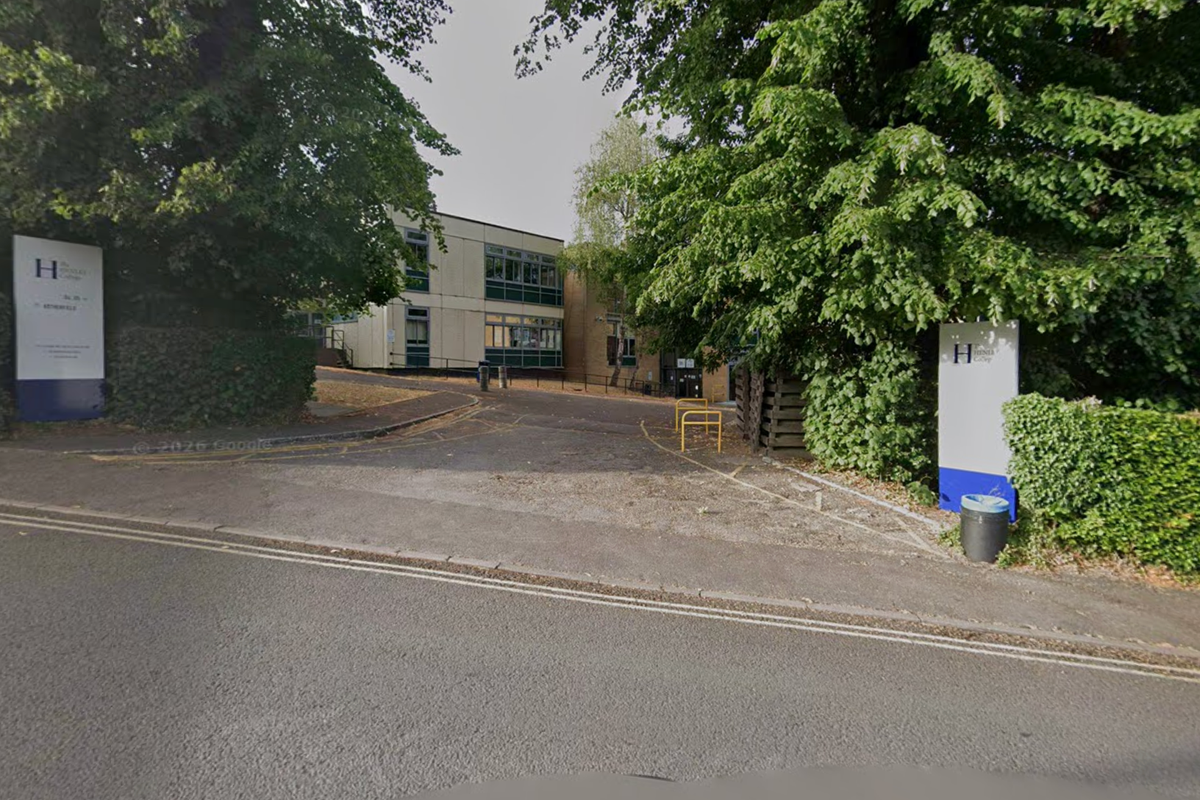
The student who died attended Henley College in Oxfordshire, the Hart Surgery in Henley-on-Thames confirmed.
“Dear patients. We have been in contact with the UK Health Security Agency this morning (14th May) regarding the very sad news that a student at Henley College has died with suspected meningococcal disease,” the GP surgery said in a statement.
“They have confirmed that they are actively contacting those who may be at risk due to a close association with the student involved.
“If you have not been contacted by the UK Health Security Agency, then currently you do not require any treatment. Staff and students have been advised they can attend the college as usual.
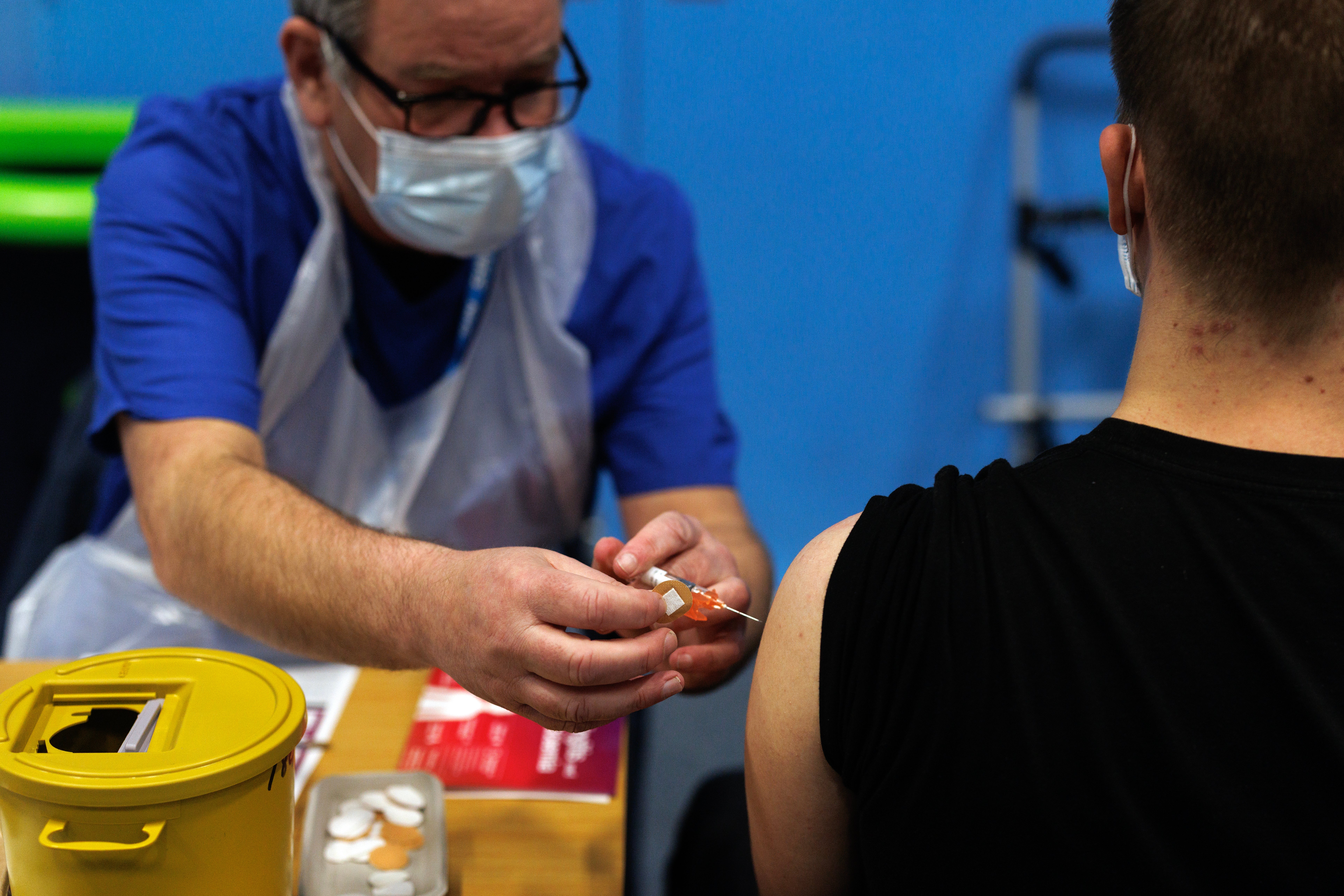
“The number of confirmed cases is very low so there are currently no plans for a local emergency meningitis vaccination programme.”
Two students died in a meningitis outbreak in the Kent area in March – 18-year-old Juliette Kenny, who was described by her family as “fit, healthy and strong” before her death, and a University of Kent student.
Dr Rachel Mearkle, consultant in health protection, said: “We understand that many people will be affected by this sad news and would like to offer our condolences to the friends and family of this student.
“Students and staff will naturally be feeling worried about the likelihood of further cases, however meningococcal meningitis requires very close contact to spread and large outbreaks as we saw in Kent recently are thankfully rare.
“We are working closely with partners and have provided public health advice and precautionary antibiotic treatment to close contacts of the cases.
“Meningococcal disease does not spread easily and the risk to the wider public remains low.”
Meningitis Now’s chief executive Dr Tom Nutt said: “Everyone at Meningitis Now is deeply saddened and concerned to hear reports of a suspected outbreak of meningitis affecting young people in Reading and the surrounding area, including the tragic death of a young person.
“We would urge people to remain vigilant and aware of the signs and symptoms of the disease. Meningitis can become life-threatening very quickly and early diagnosis and treatment are absolutely vital.”
According to Dr Nutt, symptoms can appear in “any order” and may include a high temperature, severe headache, vomiting, stiff neck, sensitivity to light, confusion, drowsiness, cold hands and feet, severe muscle pain, and a rash that does not fade under pressure.
“Teenagers and young adults are among the groups most at risk from meningococcal disease, and the recent outbreak in Kent has shown how quickly cases can emerge,” he added.
What is meningitis B? The risks to young people after confirmed case in Reading
Student dies and two people being treated after meningitis outbreak in Reading
Frank Cottrell-Boyce calls for national action to tackle children’s ‘reading crisis’
Burnham to seek Westminster return after path opens to challenge Starmer
New presiding officer Kenneth Gibson wants Holyrood to be ‘more enjoyable’
King told Sir Idris Elba he would DJ at palace garden party, actor says