WASHINGTON _ Voters have made it clear for years they're fed up with Washington's chaos, and nothing better illustrates the capital's disarray than a down-to-the-wire fight over government spending.
That's why this week's votes to keep the federal government running were tough votes, votes that vulnerable congressmen and senators will be explaining for months. A look at 10 of those lawmakers and how their votes could be remembered back home:
SENATORS
Votes listed below are on the key vote for or against limiting debate on legislation to keep most of the government funded through Feb. 16. A "yes" vote is considered support for the measure. The Senate failed late Friday to get enough votes to end a filibuster.
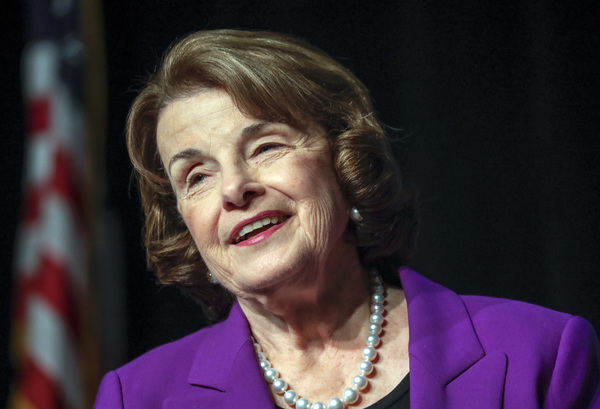
Dianne Feinstein, D-Calif.
How she voted: No
What she has to gain: After initially saying she would vote for a spending deal to keep the government open, even if it didn't include a fix for beneficiaries of the Deferred Action for Childhood Arrivals, Feinstein voted against the December short-term spending bill. Her vote against the latest stopgap bill reinforces that shift, which should cheer the state's vocal liberal base. They'll be a key factor in her reelection race against state Senate President Kevin de Leon.
What she has to lose: More than 2 million California children are enrolled in the Children's Health Insurance Program, which the short-term spending measure reauthorizes for six more years. The program's funding authorization ended in September, but most states have had enough money to maintain coverage up until now. California is one of nearly a dozen states at risk of running out of money for the program next month. Risking a shutdown, moreover, goes against Feinstein's pragmatic nature.
Bill Nelson, D-Fla.
How he voted: No
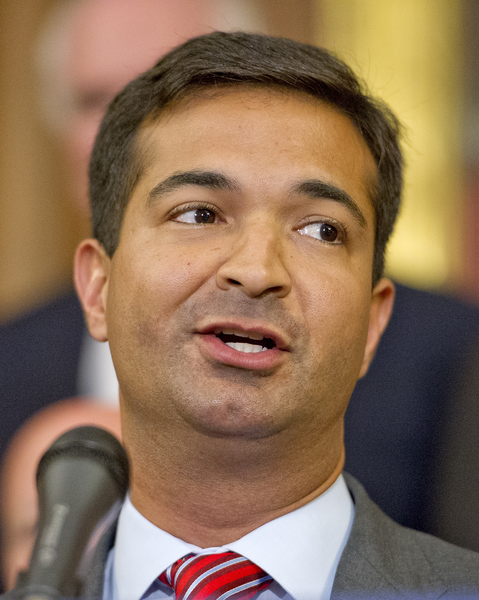
What he has to lose Nelson voted for the short-term spending bill in December and is considered among the more moderate Democrats. He's up for re-election in 2018 in a state Trump won, and could face a challenge from well-funded Republican Gov. Rick Scott. Nelson is hardly in an ideal situation if Senate Democrats are blamed for a shutdown.
What he has to gain: Immigration activists will pressure him to vote no without a DACA solution, but Nelson doesn't have to worry about a credible primary challenge from the left and has historically done well with independents and older voters compared to other Democrats in Florida.
Claire McCaskill, D-Mo.
How she voted: Yes
What she has to gain: McCaskill could shore up her base _ and boost her campaign fundraising _ by voting with other Democrats in the Senate to reject any government funding bill that doesn't include a deal for Dreamers, the young undocumented immigrants DACA protects.
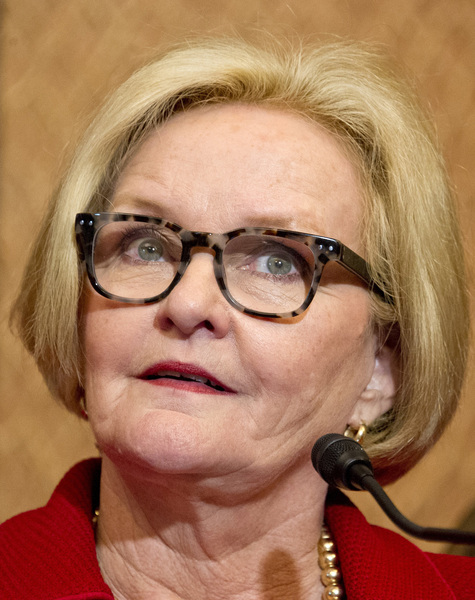
What she has to lose: McCaskill is widely considered the most vulnerable Senate Democrat seeking re-election. No matter how she votes, a government shutdown is bad news for her. It gives Republicans fuel to accuse Democrats of being obstructionist and makes it harder for McCaskill to portray herself as a moderate in a state Trump won by nearly 19 percentage points.
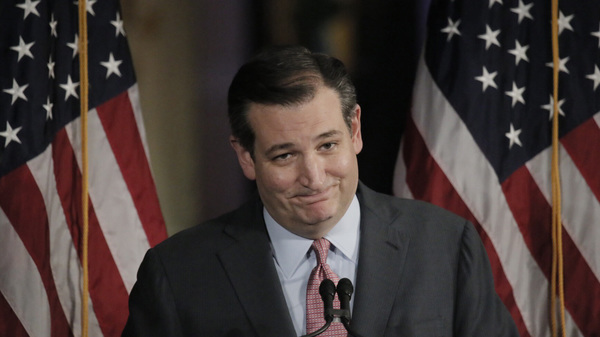
Ted Cruz, R-Texas
How he voted: Yes
What he has to gain: Cruz was at the center of a shutdown in 2013. Five years later, Cruz is keeping quieter. He's up for re-election in 2018, and faces a challenge from Democratic Rep. Beto O'Rourke, who is keeping pace with Cruz's fundraising. Since returning from his failed 2016 presidential bid, Cruz has spent his time in the Senate demonstrating that he can be a team player in GOP-controlled Washington. By staying out of the fray, he managed to avoid a serious primary threat.
What he has to lose: Hardline immigration groups backed Cruz in the GOP presidential primary, over then-candidate Trump. Cruz would like to keep that support if he runs for president again someday. But in steering clear of the DACA debate, he's been absent on issues with big implications for his home state. Texas has the second highest number of DACA recipients who could face deportation if Congress doesn't legalize the program. It also has a huge border with Mexico, where Trump wants to build a wall.