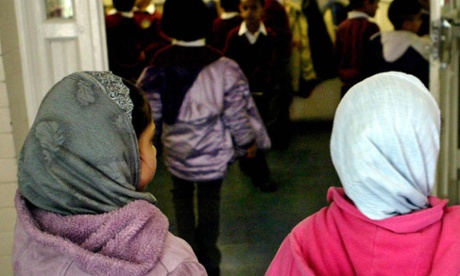
We’ve recently heard of the challenges local authorities have faced following rapid demand in placements for children who have been displaced through war or persecution in countries such as Syria. But how can social care organisations best equip their practitioners to understand and assess each child’s circumstances fully? It is a question the profession, operating in Britain’s increasingly multicultural and diverse society, is being fast-pressed to address.
For Cafcass, drawing from the wealth of local knowledge held by its frontline practitioners around equality and diversity (E&D) was the answer.
“We decided to tap into the skills of those closest to the children – our frontline social workers,” says Shabana Abasi, senior head of service and operational lead on E&D. “We knew they had the dedication and knowledge needed to develop and share best practice across the country, as well as awareness of what the local needs were in relation to E&D training.”
This means that in Kent, local managers are considering future implications for practice, through children arriving from war torn countries including whether multi-agency training can be facilitated to aid social workers in assessing the needs and support for children who are seeking asylum.
It is an approach on which Cafcass’ new E&D strategy is built. Launched in April, a key feature of the strategy is the development of a network of diversity ambassadors across the organisation. Their role is to capture the knowledge and experience of diversity issues gained from the ground and disseminate learning.
Diversity ambassadors
There are over twenty diversity ambassadors, from practice, corporate and business support roles, each of whom is committed to promoting diversity within their regions and applying national learning in a way that reflects local needs. The ambassadors are also instrumental in developing modules and seminars which support the training needs of staff both nationally and in their local teams.
“We’ve found that the introduction of diversity ambassadors, has addressed the challenge of ensuring the strategy and learning is relevant to staff across our national and geographically dispersed organisation,” says Abasi.
“The 115,000 children we represent each year come from a wide range of backgrounds and cultures that will impact on their needs, wishes and feelings. Ensuring all staff have access to relevant E&D knowledge which allows them to support children in their areas, in line with the varying local demographic trends and diversity patterns, is essential to ensure the organisation continues to provide a good service to all children.”
A sample of some of the forty training modules that have been developed by the group include: honour based violence; understanding gang culture; autism awareness; trafficking; child sexual exploitation. Covering topics often shied away from because of the difficult subject matter, the modules were designed and delivered in-house by the ambassadors, based on the needs of staff and using current research.
Any training delivered is then cascaded nationally via a central eLearning portal. This ensures that Cafcass social workers, no matter where they may be geographically, can access the training as and when they need to, to ensure they have the relevant knowledge to best understand the children they are working with.
Ambitious and innovative
Abasi continues that the ambassadors have really taken ownership of the role: “They have become an increasingly proactive and forward-thinking group, designing and implementing training we hadn’t even considered. They are constantly looking for new ways to engage their fellow social workers in E&D activities.”
Learning and innovation is not restricted to Cafcass’ practice staff. Abasi highlighted that the ambassadors “have been incredibly effective” at engaging all colleagues in E&D. Recently one of our administrators designed and delivered a session on naming cultures,which explores naming practices across different cultures to make individuals aware of when they stereotype unconsciously and ensure they respect all backgrounds and ethnicities. The session was so well received it will now be disseminated nationally.”
“We are introducing diversity boards in all local offices, to promote training and local issues. The challenges faced by families seeking asylum is an issue which is really capturing the attention of our staff, and there is a real interest in exploring what work can be meaningfully done to support children who have been displaced.”
Partnership Working
Cafcass has also formed effective partnerships with a number of agencies to ensure its social workers are benefiting from the latest research and thinking. One recent example is with Dyslexia Action, which delivers a tailored, accredited training programme, focused on the child and how dyslexia may impact on their needs, wishes and feelings.
The sessions, including those designed by the ambassadors, have been incredibly well received. 98% of staff who have completed one rated it as good or outstanding, and 100% agreed the lessons from the course would inform future case analysis.
Cafcass’ approach seems to be hitting the mark with a recent award for best public sector organisation at the Employers Network for Equality & Inclusion awards, which recognises organisations that are committed to tackling discrimination and supporting diverse workforces. Ofsted also highlighted the role of the ambassadors in their 2014 inspection of Cafcass, stating: “Local leaders have been at the heart of ensuring strategic priorities are embedded within local service delivery and this has been evident in how equality and diversity are promoted and practice in this area strengthened.”
Content on this page is produced and controlled by Cafcass, sponsor of the Guardian Social Care Network children’s services hub.