For more than 30 years, solar energy has been part of the UK’s energy supply. It offers cheap, low-carbon power during the day.
And as energy prices remain stubbornly high, homes and businesses are buying their own solar arrays to provide electricity they can use and also an income from selling off any excess.
But even the best solar panels don’t last forever, and the oldest models are now coming to the end of their lives. Sending the panels to the landfill is wasteful and will also give this green technology a bad name.
Enter Irina Boldurescu, a green technology entrepreneur who has set up her own recycling business in Sheffield called SolRecycle to strip the glass, aluminium, copper, silicon, and other materials from the panels and give them new homes.
Originally from Moldova, she came to the UK to do a Master's degree and decided to stay.
She started her career as a heat pump system designer but soon became interested in solar energy.
Whilst designing a solar setup for a customer, “a question clicked in my mind,” she said. “So what's going to happen with all these solar panels that are installed? What's going to happen when they reach the end of their life? So I started to do the research.“
She then found a gap in the market, since many panels currently end up at the tip.
“I know how they're made, I know how they work. I know what materials are in there. So I just decided that recycling is to do reverse engineering. And that's how, at the end of 2023, I left my full-time job and got into recycling.”
Many of the materials, including the silicon, can go back into making new solar panels, but in the UK, there are few factories to use them. Instead, it can go to the electronics industry or construction, where it can be used in cement or flooring.
Glass, aluminium and copper all have lots of uses and many buyers. Ms Boldurescu says she hopes that a ready supply of recycled supplies will help encourage more local production of the panels. But high UK labour costs may make that difficult.
Solar is set to become a key part of the energy system in the UK. It accounted for just 5 per cent of the grid’s needs last year, but it is growing fast, offering just 0.1 per cent in 2010.
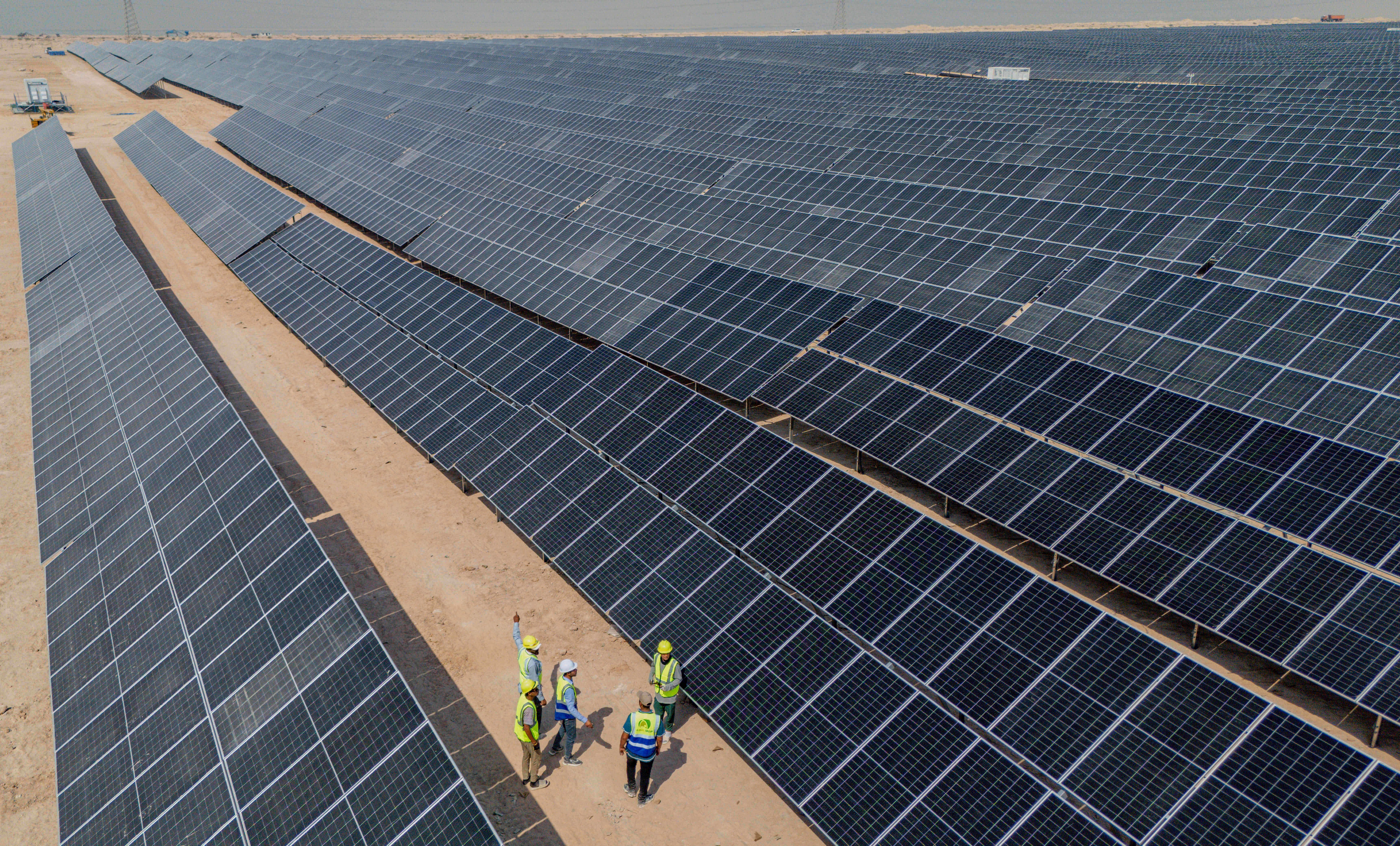
Trade body Solar Energy UK estimates that the UK will go from 20 gigawatts of solar capacity today to 90 gigawatts by 2035, which means the equivalent of 150m solar panels of 600 watts will be installed.
Modern panels will last 30 or so years, while older models have a life of 20-25 years. They will then all need to be recycled.
One open question is who should pay for the recycling, says Ms Boldurescu.
At the moment, it is the owner of the panel who pays, from £8 to £40 a panel, depending on how many are being shipped and how far. Transport is a major cost, she says.
Trade groups are consulting on whether manufacturers should pay to recycle the panels, but “it's very early stages”, she says.
Panels are classed as Waste from Electrical and Electronic Equipment (WEEE), which means that manufacturers, importers, and marketers of solar panels should contribute towards their recycling, as happens with electrical products like kettles and fridges. But so far, this is not happening.
Industry groups are leading a dialogue, she says. “We're still talking and trying to find the best solution.”
In the meantime, she is stockpiling solar panels as she prepares to use her new recycling machine, which was delivered a few weeks ago.
Solar panel grants UK 2025: what funding is available?
Your guide to how much solar panels cost in 2025
Best solar panels in the UK 2025
The best solar panel installers and fitters in the UK
Your guide to how much solar panels cost in 2025
TP-Link Tapo review: A DIY security system for smart home builders