Get all your news in one place.
100’s of premium titles.
One app.
Start reading
Reuters
Reuters
Environment
Ari Rabinovitch

Meet the sea squirt, sucking up plastic particles from the sea

FILE PHOTO: An Israeli researcher holds a sea squirt removed from the Red Sea as part of research work an Israeli team is conducting in the Israeli resort city of Eilat February 7, 2019. REUTERS/Amir Cohen

EILAT, Israel (Reuters) - A rubbery sea creature with an irritating habit of clinging to ships and invading beaches could help measure plastic pollution as it can filter tiny particles from the ocean and store them in its soft tissue.

Israeli researchers have found that ascidians - round, palm-sized animals also known as sea squirts can thrive in dirty industrial areas and pristine waters alike, allowing them to detect and analyze waste and its impact in various regions.
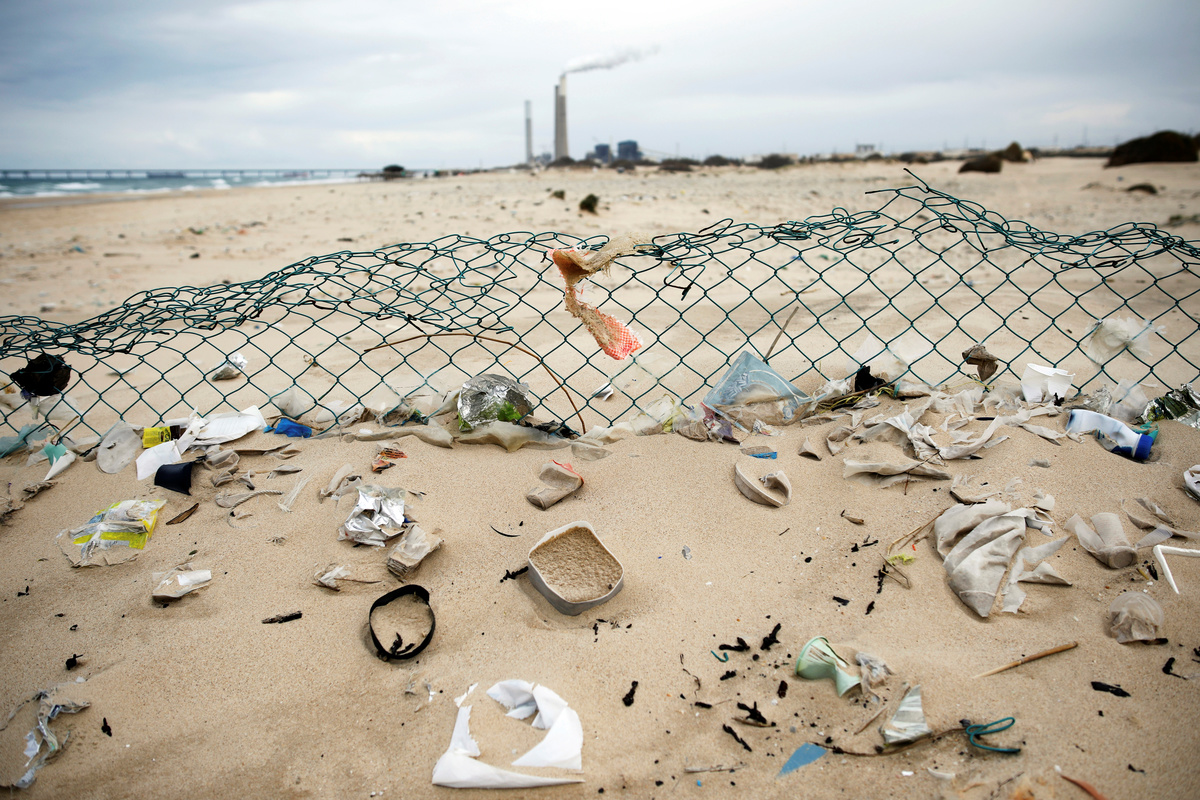
FILE PHOTO: Plastic waste is seen on Zikim beach, on the Mediterranean coast near the southern city of Ashkelon, Israel February 10, 2019. REUTERS/Amir Cohen

A staggering amount of plastic flows into the ocean each year. The United Nations says it is as if a garbage truck full of plastic was dumped into the water every minute, a rate some estimates show could lead to oceans carrying more plastic than fish in 30 years.

But the long-term impact of the waste, particularly tiny pieces called microplastic, is still not fully understood.

"[Sea squirts] just sit in one place all their life and filter the water, like a pump," said Gal Vered of Tel Aviv University, and who co-published the researchers' findings in the journal Marine Pollution Bulletin.
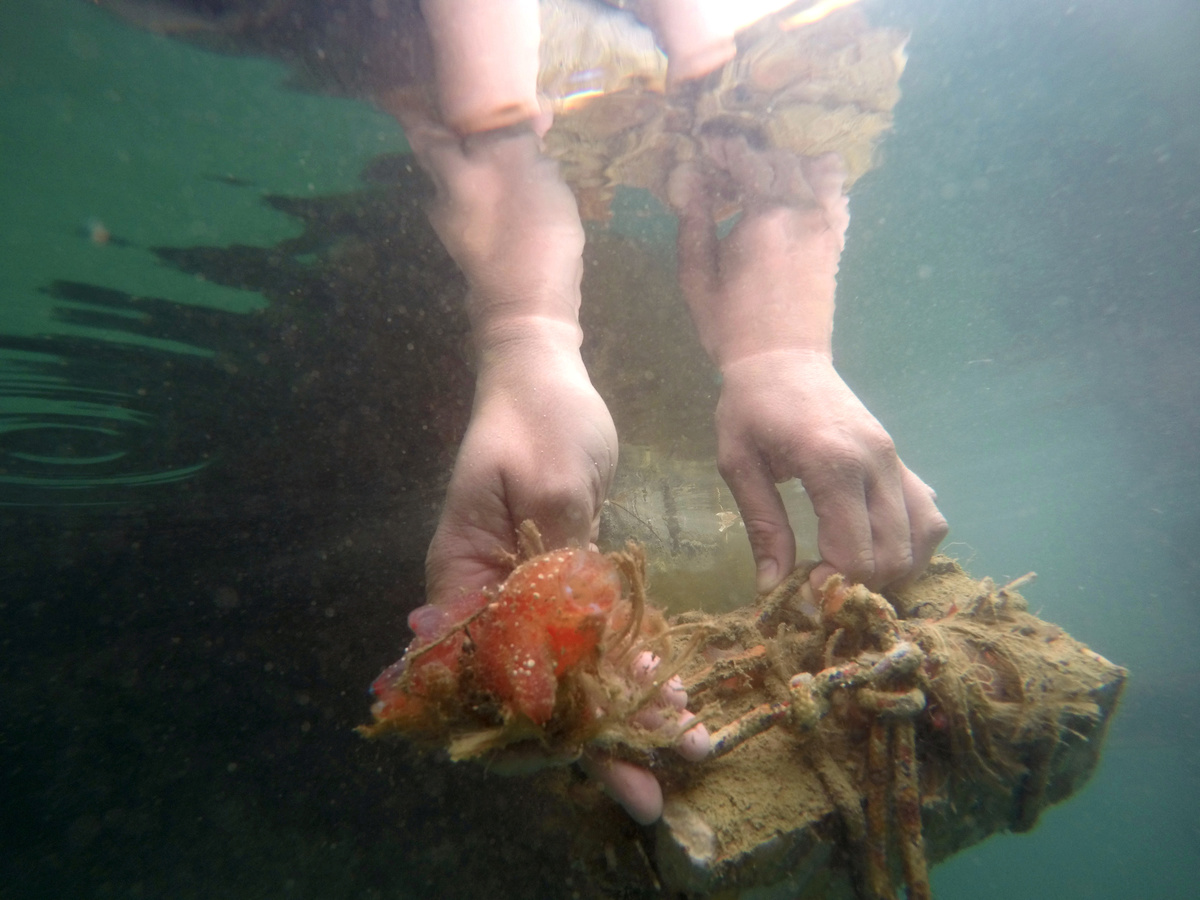
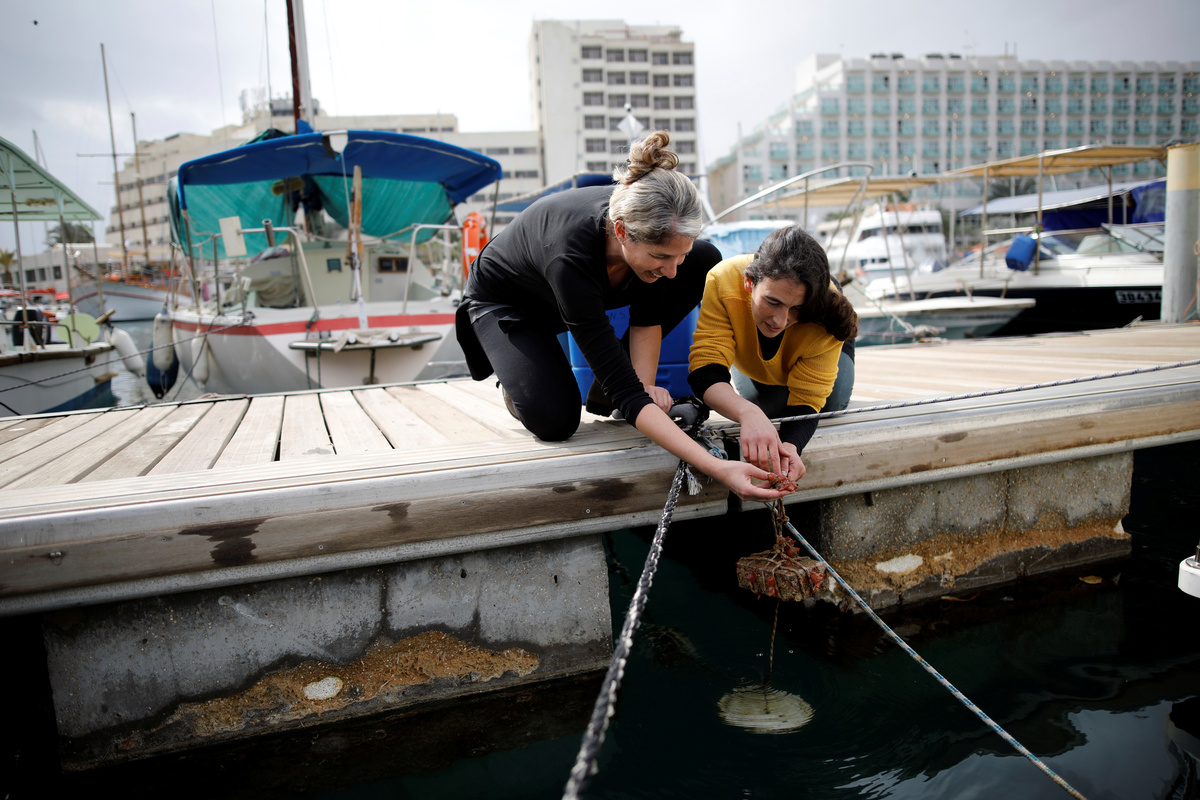
FILE PHOTO: An Israeli researcher holds a sea squirt nestled to a brick wrapped in rope and floating underwater in the Red Sea, as part of research work an Israeli team is conducting in the Israeli resort city of Eilat February 7, 2019. REUTERS/Amir Cohen

"They can really give us a picture of what the whole reef, the whole ecosystem felt during its life."

As a bonus, sea squirts are related in evolutionary terms to human beings. So studying them and the plastic inside them could be more insightful than looking at creatures like fish or clams.

"Although we don't look alike at all, we have similar systems," said Noa Shenkar, of Tel Aviv University's zoology department and museum of natural history.
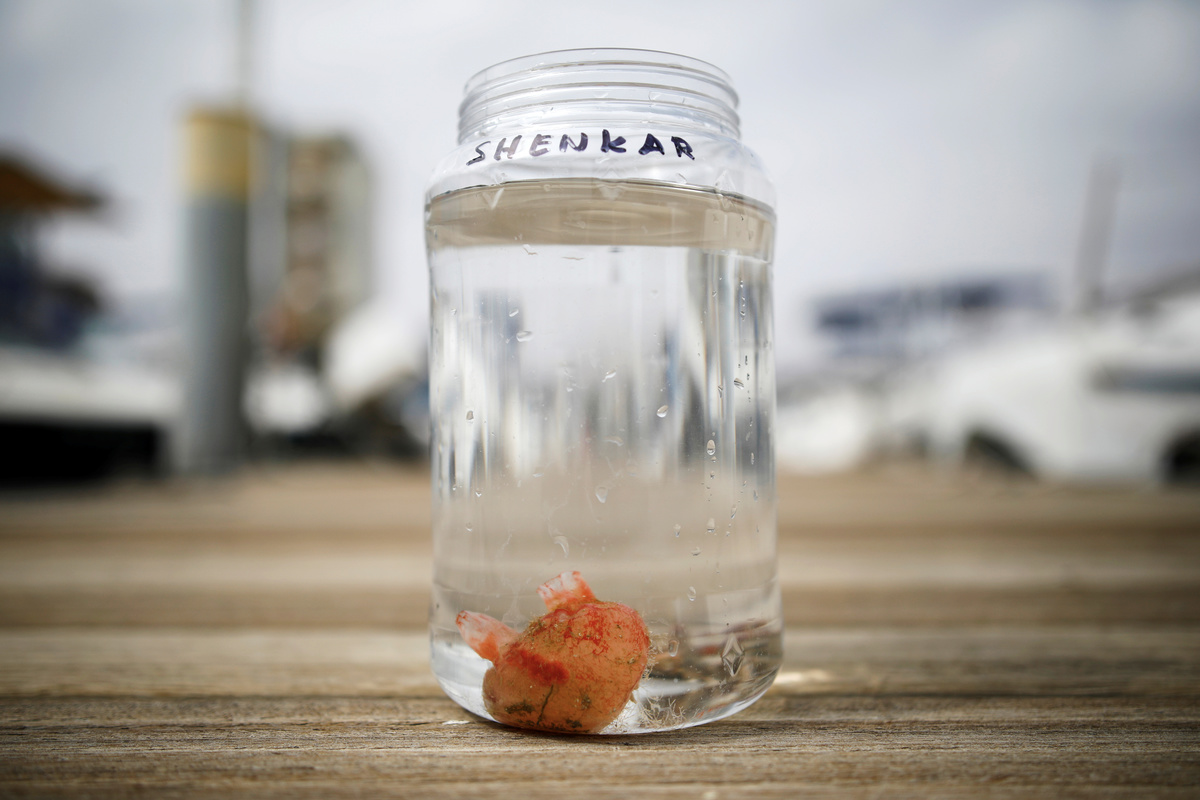
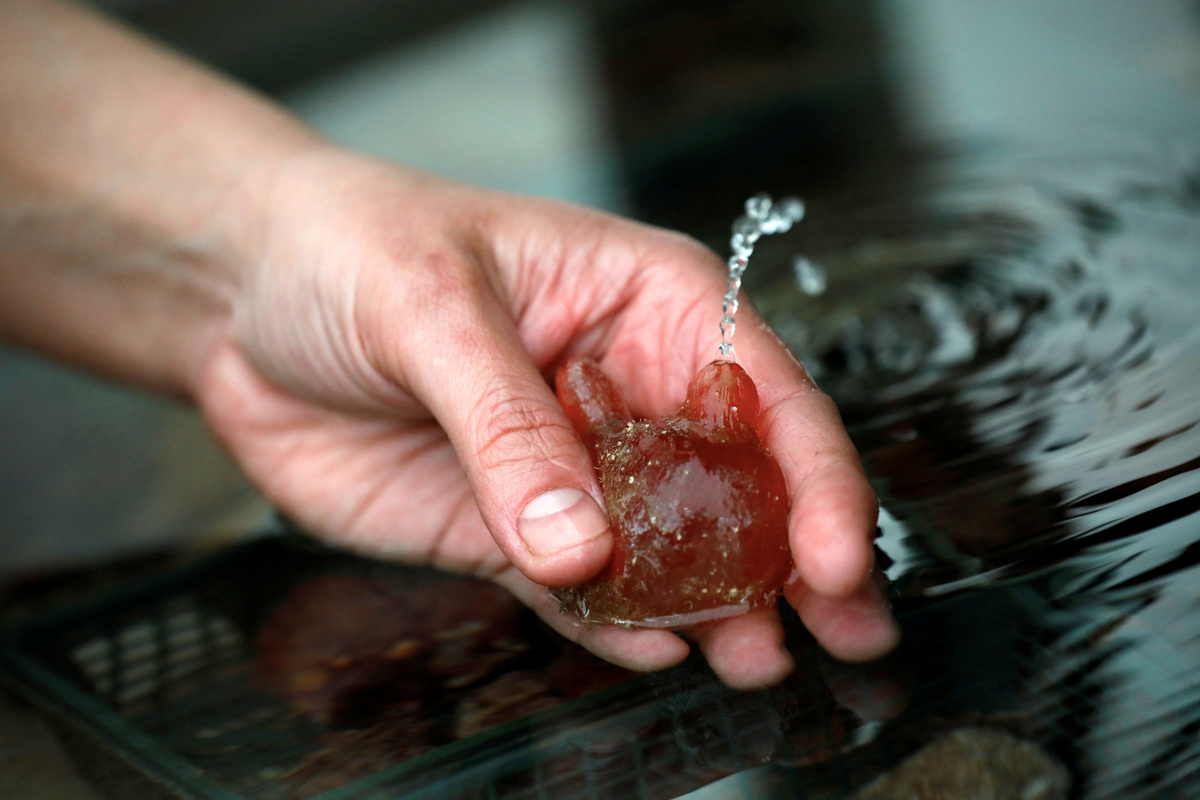
FILE PHOTO: A sea squirt is seen in a glass container after it was removed from the Red Sea by Israeli researchers as part of research work an Israeli team is conducting in the Israeli resort city of Eilat February 7, 2019. REUTERS/Amir Cohen

DURABLE AND DANGEROUS

Plastic never disappears. Over time it breaks down into microplastics, ranging from the size of a grain of rice on down. They mix with tiny plastic beads found in products like cosmetics and cleaners that were flushed away.
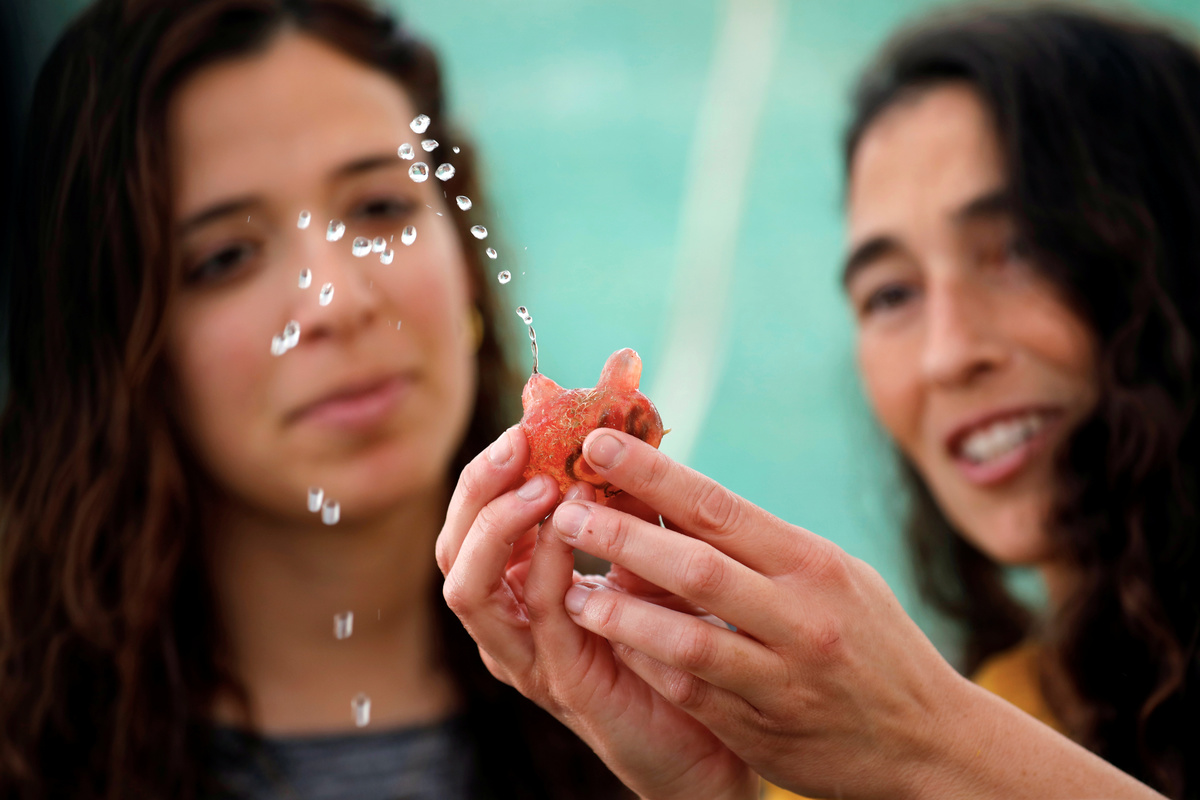
FILE PHOTO: Israeli researcher Gal Vered holds a sea squirt taken out of the Red Sea as part of research work an Israeli team is conducting in the Israeli resort city of Eilat February 7, 2019. REUTERS/Amir Cohen

These are eaten by wildlife, filling their bellies, exposing them to chemical additives and, potentially, entering the food chain, said Vered.

Vered searched piers and rocks in the Red Sea resort of Eilat, eventually finding a cluster of sea squirts on a brick.

Back in her lab, a gentle push on one squirt's belly saw the creature let loose the eponymous squirt of water. Invisible to the naked eye are the microplastics, perhaps once part of a bag or bottle, and that were found at all the sites they tested along Israel's coasts.
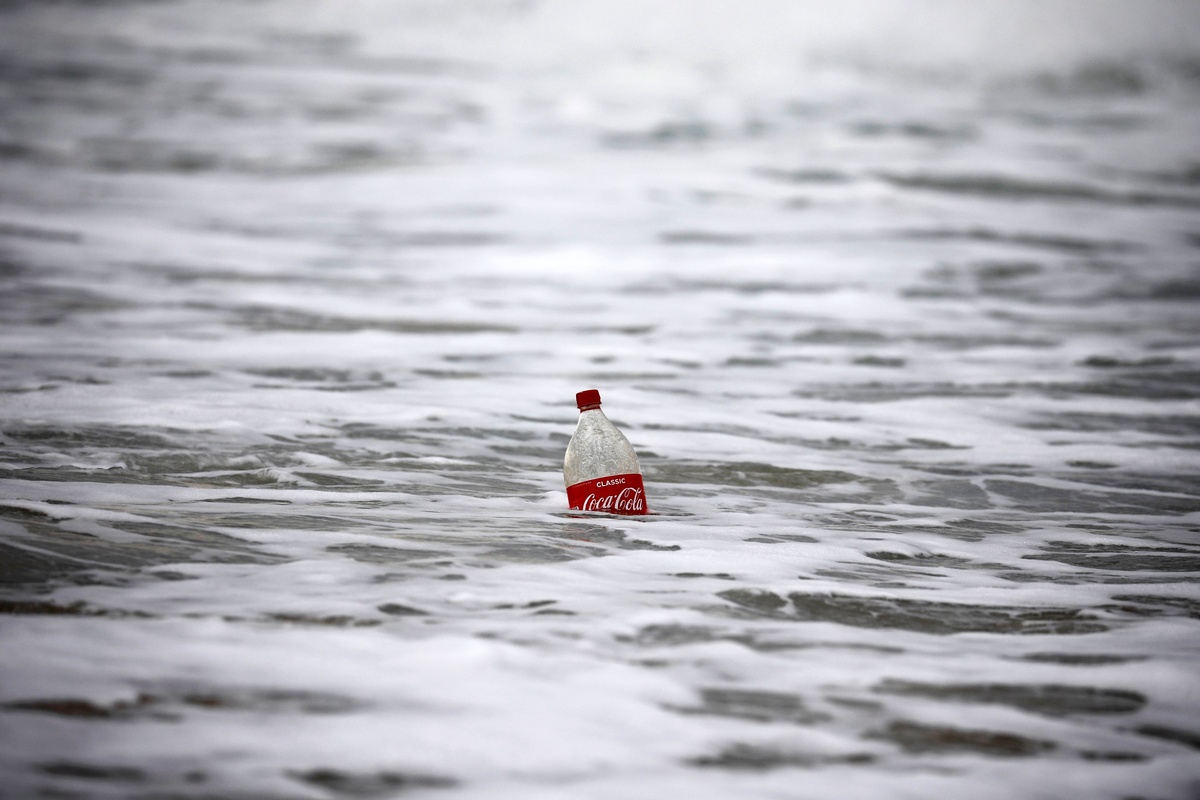
A plastic bottle floats in the Mediterranean Sea, at Zikim beach near the southern city of Ashkelon, Israel February 10, 2019. REUTERS/Amir Cohen

"We as humans invented a material that can last for hundreds, thousands of years, and then we use it as a single-use product. It's quite a paradox," she said.

(Editing by Alexandra Hudson)
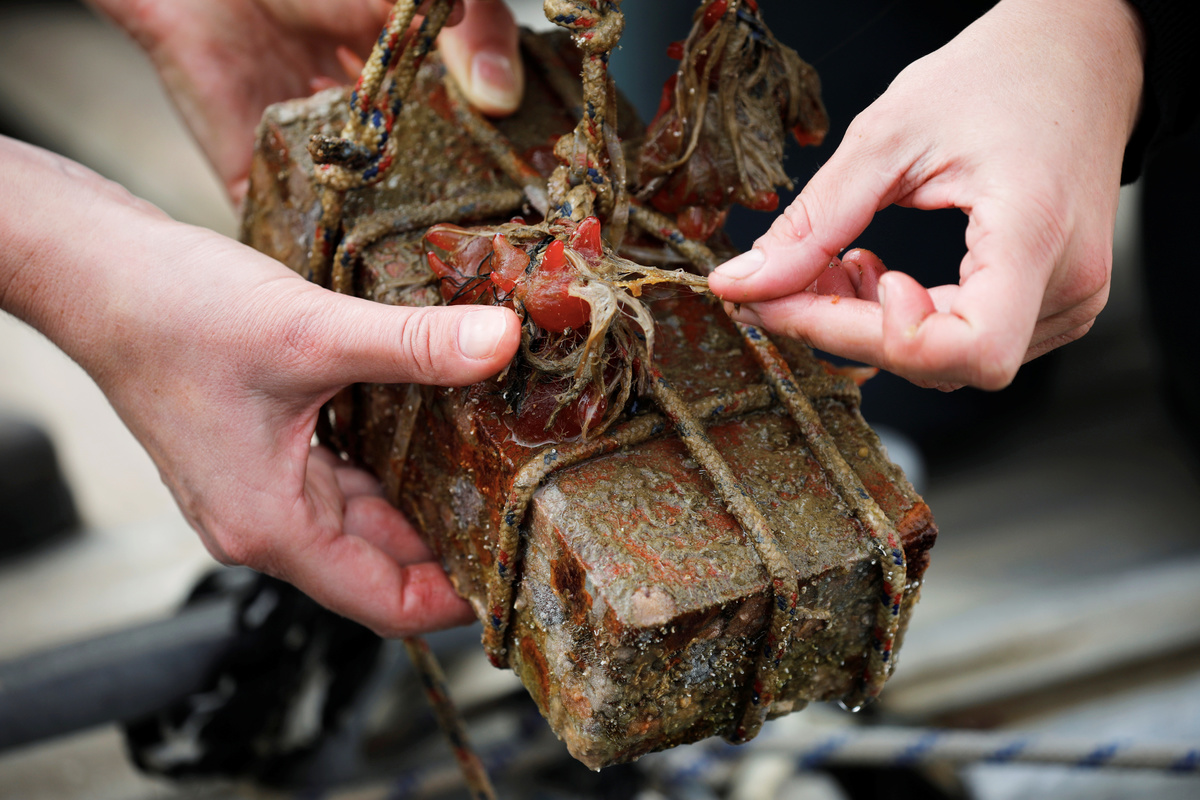
FILE PHOTO: Israeli researchers examine a sea squirt nestled to a brick they removed from the Red Sea, as part of research work an Israeli team is conducting in the Israeli resort city of Eilat February 7, 2019. REUTERS/Amir Cohen
FILE PHOTO: Israeli researchers, Noa Shenkar (L) and Gal Vered, remove a cluster of sea squirts nestled to a brick, from the Red Sea, as part of research work an Israeli team is conducting in the Israeli resort city of Eilat February 7, 2019. REUTERS/Amir Cohen
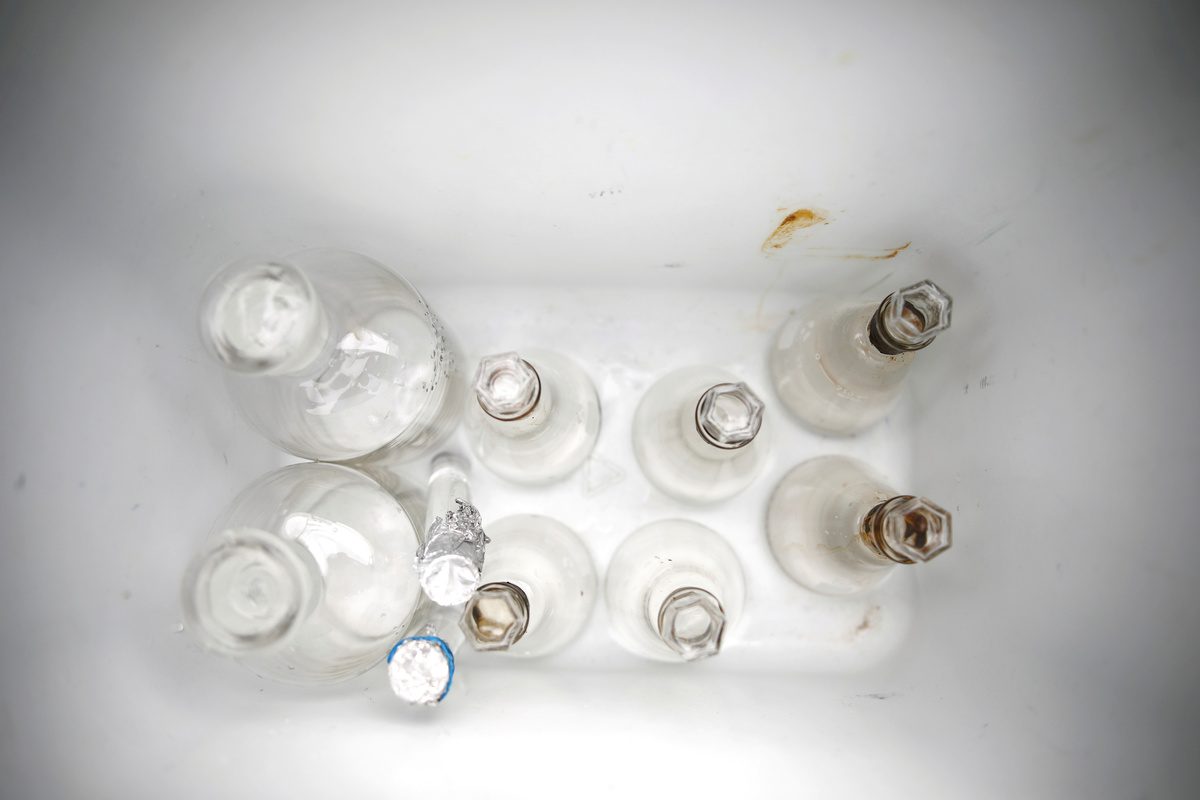
FILE PHOTO: Glass laboratory bottles and tubes are seen in a bucket on the shore of the Red Sea, while Israeli researchers gather information as part of research work an Israeli team is conducting using sea squirts in the Israeli resort city of Eilat February 7, 2019. REUTERS/Amir Cohen
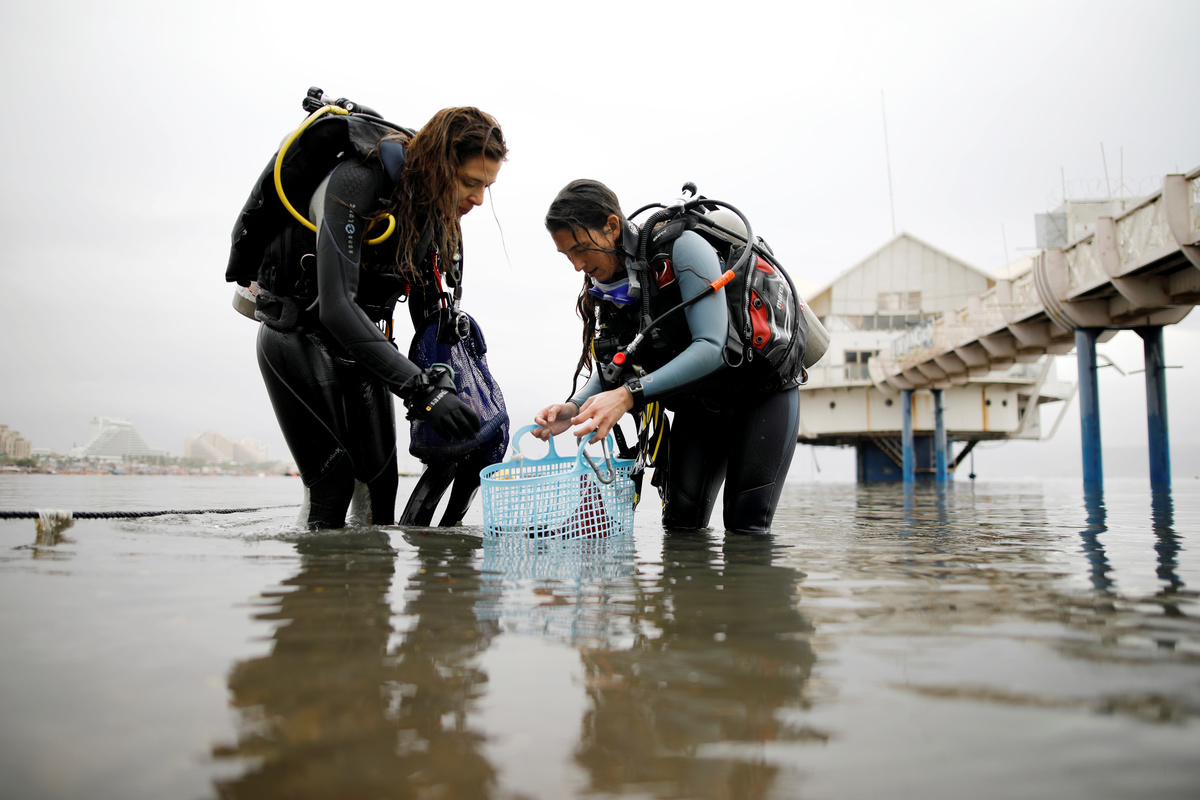
FILE PHOTO: Israeli researchers hold a basket containing laboratory bottles after emerging from the Red Sea as part of research work an Israeli team is conducting in the Israeli resort city of Eilat February 7, 2019. REUTERS/Amir Cohen
Sign up to read this article
Read news from 100’s of titles, curated specifically for you.
Already a member? Sign in here
Related Stories
Top stories on inkl right now
One subscription that gives you access to news from hundreds of sites
Already a member? Sign in here
Our Picks
Fourteen days free
Download the app
One app. One membership.
100+ trusted global sources.