Declaring the first commercial journey for the final addition to Hull Trains’ £60 million Hitachi fleet as “so much more than the 10.33 to London” it is clear that optimism abounded alongside returning passengers.
David Gibson saw first hand the impact the open access operator’s arrival had on the city from his time at the Guildhall, leaving as assistant chief executive. Now he’s back in the city in charge of the rail company, but in truth, never really left Hull, having settled in the hinterland.
Awarded an MBE for his military role forming the immediate response to 9/11 while serving as an RAF wing commander in the Middle East when the twin towers were struck, he’s certainly no stranger to a challenge.
Read more: £60m fleet completion the perfect gift for Hull Trains' 21st anniversary
“We are only a small team, five trains, but we are very good at what we do,” he said.
“The staff have blown me away, they have come back from three very hard decisions, and now it is all about the recovery of the business, returning to profitability,and making sure we have exemplary customer service.
“We have a lot of reasons to be cheerful and optimistic, business is coming back, - the new train that has just left had more passengers on it than the early train, which is really good news. We are open for business.”
Having hit one million passengers in 2019, the pandemic and subsequent measures to address the spread saw Hull Trains ‘hibernate’ for the three lockdowns, with numbers dropping to 300,000 in 2020.
Predecessor Louise Cheeseman, now with Transport for London’s bus division, had to cut staff with the company only supported via the furlough scheme, having peaked at a team of 130.
“We’ve taken a couple of staff back, we want the experienced staff back if we can,” Mr Gibson said.
Recovery and return to profitability have been key phrases, and while nothing may compare to turning a 20,000 troop exercise to an operational unit, having seen 35 US aircraft arrive at Thumrait as the world digested exactly what had happened in New York, there have been strategic and operational stand-out achievements in his civvy-street career.
Having worked in management consultancy following his stint at the city council - which came after more than 22 years serving Queen and country, Mr Gibson’s head was turned by the aviation sector when he was invited to apply for the role of chief executive of Cardiff Airport. Missing out to the incumbent chief operations officer “feedback was positive” and he was subsequently offered the role of development director at Luton.
Capacity building projects included a new £110 million perimeter road and the moving of a country park, before the managing director role at Metro in Newcastle emerged.
“The trains were 35 years old, five years beyond their design life, a lot were off service, and we had to rebuild confidence and trust in the company, rebuild the workforce and improve reliability,” he said.
“I have built up a lot of experience in looking at a company’s service from the consumer’s perspective. Punctuality and reliability are core competencies for the customer experience.
“I walked into that business with 90 trains, and 24 were off - and we couldn’t run the business with any more than 12 off. We got that down to four on one memorable day! We got the biggest six monthly rise in customer satisfaction during my tenure.”
He did some work for Grand Central and Arriva London after, “I really enjoy rail,” he said. But then Calmac Ferries emerged. “I thought ‘that’s different’, and how often do you get to be involved in something with a footprint of 30,000 square miles, with 55 ports and 33 vessels. “It had also had the worst technical disruption in many years, and I’d never worked in maritime.
“It is all about transferrable leadership, and I focussed on how important communication was within any disruption, and planning on how you deal with disruption when it occurs.”
Serving a £1.2 billion contract with the Scottish government he “went on every vessel, to every port and harbour”. “My management style is to be part of the team, I want to know what it is like on the frontline, and that’s what I will do here.”
He went to the London depot of Hitachi to see the new arrival the day before it pulled into Paragon Station, having stopped off between transport gigs to roll out 292 Covid testing stations with G4S, deploying 9,500 team members in a “big beast of a contract.”
Of his first passenger experience as boss, he said: “When I travelled down, I sat in the cab with the driver, to see what it is like, what they are thinking on different parts of the route, I talked with the on-board staff, and went to see our Hitachi team in London. I will be down at Bounds Green, the Hitachi depot. I won’t be sitting at my lap top five-days-a-week in Hull. “With Hitachi, we don’t want a client/contractor relationship, they are my engineering team and very much a part of the business. I want them to feel involved and included and make the right operational decision for it.”
One decision being waited on for the city is electrification - with fears the links to Doncaster and Leeds could be victims of Covid cutbacks and the Treasury claws back cash.
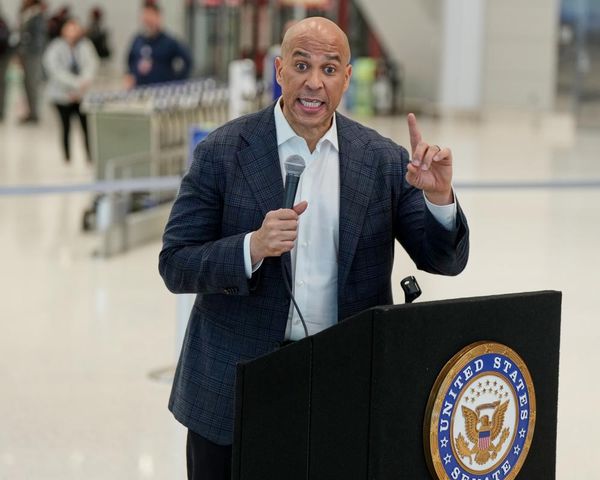
The council is urging businesses to make their voice heard, and Mr Gibson is happy to take the microphone.
“It makes us more sustainable,” he said. “We have to run on diesel to Temple Hirst Junction [south of Selby, by Eggborough Power Station] before we can put the pantograph up.
“It is a very long, straight stretch of track for the infrastructure, and I know the city council is lobbying hard. It is important, and we need Network Rail to plan that in.”
Do you follow BusinessLive Humber on LinkedIn and Twitter? Click and engage to ensure you stay updated