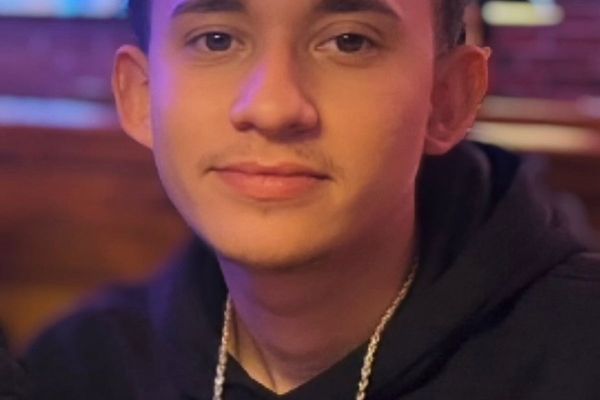
On almost every city high street in Britain there lies a convivial world where the scent of rubbing alcohol emanates through the air, where the buzzing of clippers fades beneath the sound of barbed debates about everything from last night’s football to immigration policy. Where the amorphous queuing systems are understood only by the artists shaping their customer’s hairlines and the seats are rarely empty. It’s a snapshot of a local community: black barbershops, and all their customs and rituals.
This year marks the 15th anniversary since the film release of cosy comedy Barbershop, which gave viewers an insight into the recondite world of Afro barber shops that, for Afro-Caribbean men, function as a sanctuary, a social hub, a comedy club and more.
Almost two decades later, barbershop culture has been punctuated by popular culture and seeped into the British psyche. On stage, Bijan Sheibani’s production of Inua Ellams’s Barber Shop Chronicles returns to the National Theatre in November, and online comedy series such as Smokeys Barbers attract millions of viewers. And then there are the sport stars and musicians – from Stormzy to Danny Welbeck – who provide a public canvas for sharp ’dos.
Now, enduring interest in barbershops has brought the men with clippers to the fore, with social media offering a platform beyond the chair. Nikita Okyere, “official stylist to the Ghanaian football team”, has more than 64,000 followers on Instagram; and Franklyn Okwedy, who shaves entrepreneur Jamal Edwards, has seen such success that he is opening a second store.

Take Mark Maciver, aka SliderCuts, who has amassed 50,000 Instagram followers and embodies the rise in the superstar barber. His razor-sharp skills have earned him a huge following, with fans booking up to six weeks in advance, as well as celebrity endorsements coming from the likes of Reggie Yates and Tinie Tempah.
Despite the rise of the insta-barber, Maciver is confident that shops will retain their sense of community: “The culture of the barbershop has already been made. Anybody who comes in here adapts,” he says. “Boxer Anthony Joshua comes in and the first thing he does is say hello to everyone. And if there is a barbershop conversation, he gets involved.”