The voice seeps in as if from another dimension, hissy and distant, like an AM radio broadcaster transmitting through late-night static.
"'The Ambassador March' by Brown's Orche-streee for the Los Angeles Phonograph Company of Los Angeles, California," a man announces with a gentlemanly accent. After a moment's scratchy pause, a violinist opens with a melody, and a small orchestra jumps in. Led by a Long Beach-based bandleader named E.R. Brown, the song dances along for two minutes.
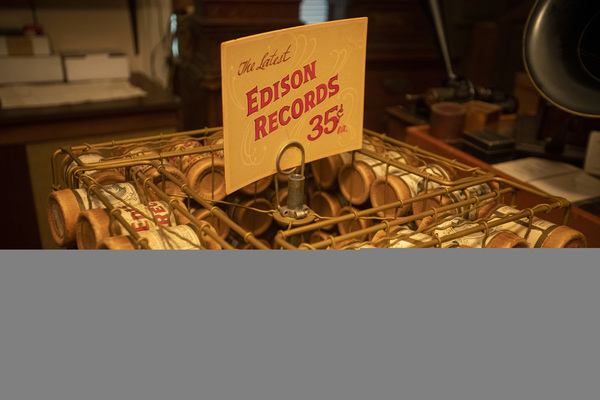
The fidelity is primitive by today's high-definition audio standards, a quaint toss-away. But "The Ambassador March" and the Coke-can-sized wax cylinder upon which it was etched into permanence in the late 1800s open a portal to another era.
That wax cylinder and others like it — rescued from rural estate sales and dusty attics — have survived earthquakes, heat waves, mold and indifference. They feature Mexican folk songs; military band marches; minstrelsy songs of the kind that preceded American blues, folk and country music; and the voices of former Lincoln cabinet members, Southern senators, popes, preachers and comedians. Their survival is emblematic of a revolution that allowed sound to be freed from its origins. Once untethered, the world would be forever changed.
Many of the recordings have been restored, digitized and added to sound libraries that are easily accessed for free, and they may be the answer to "what do I listen to now?" as we continue to shelter at home or navigate the world cautiously.
These first recordings paved the way for the music industry as we know it today. Columbia Records, which in the late 1890s was known as the Columbia Phonograph Co. and released cylinders of music performed by various minstrel shows, often white men in blackface, remains a music powerhouse whose roster includes Beyonce, Lil Nas X, Daft Punk, Adele and Tyler, the Creator.
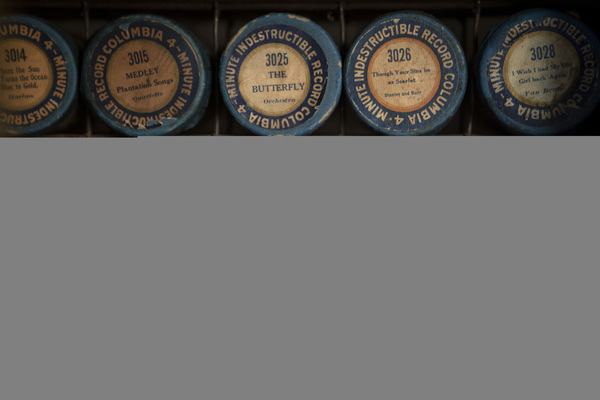
The astounding success of Italian tenor Enrico Caruso was enabled by Victor Talking Machine Co., which came to be under the umbrella of RCA Records, now home to artists such as Miley Cyrus, Childish Gambino and Alicia Keys. Both Columbia and RCA records are now owned by Sony Music Entertainment.
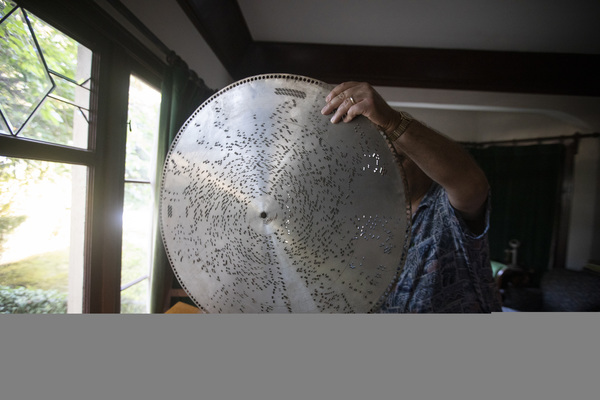
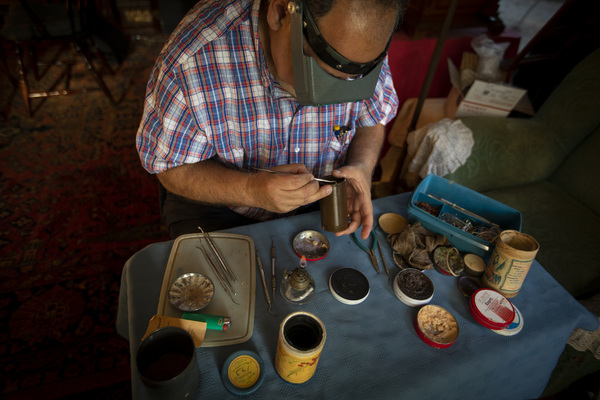
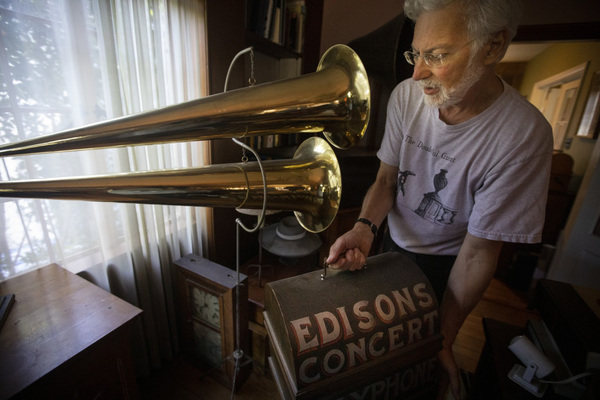
Preserving early recordings — and the lumbering machines that play them — has been an obsession for a small group of Southern California collectors, who have been stealthily wrangling from the wild the essential sounds of the early American acoustic recording era.
Decoding the sound on the wax tubes is a powerful experience — as close to time travel as can be found.

But the clock is ticking.