If the idea of having an AI teammate that can talk back, adapt, and make tactical decisions in a first-person shooter intrigues you, Ubisoft’s new playable experiment might be right up your alley. Called Teammates, the project uses generative AI to reimagine what player interaction could look like—without real co-op partners.
On Nov. 21, Ubisoft published a press release detailing what Teammates is and how far the project has progressed—and it’s a concept that could genuinely shift how we think about multiplayer. Picture a future where you can jump into an AI-powered “multiplayer” shooter without needing to find teammates to fill your squad, tolerate random teammates who throw the game or AFK, or deal with toxic behaviour. It’s also a compelling alternative for players who prefer single-player experiences over the chaos and intensity of traditional online multiplayer.
Teammates builds on the foundations laid by Ubisoft’s earlier NEO NPCs research project, which was first revealed at GDC 2024, and now brings those generative-AI NPC systems into a video game.
Ubisoft’s Teammates: The “game,” explained
A classic first-person shooter at its core, Teammates deploys you into a dystopian future as a resistance fighter infiltrating an enemy base. Your mission? Track down five missing squad members and uncover what happened to them.
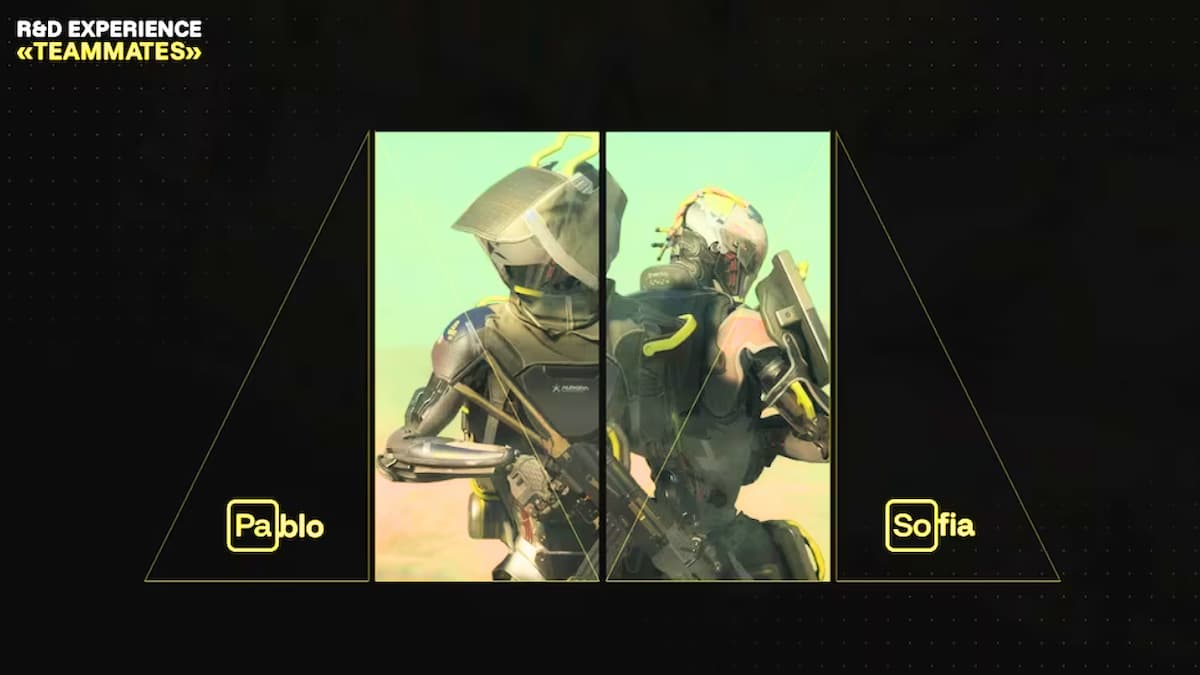
In the short playable level that Ubisoft has built so far, you’ll be piecing together their final memories while battling enemy forces along the way. You’re not alone, though—there will be AI-powered allies on your side: Jaspar, an in-game voice assistant you can literally talk to, and Pablo and Sofia, two NPC squadmates using Ubisoft’s advanced AI capabilities to react, support, and fight alongside you.
How does voice commands work in Teammates?
If you’re wondering how you actually talk to these AI teammates and get them to follow your lead, here’s the fun part. Just speak like you would with real teammates. With Ubisoft’s internally developed generative-AI stack, Jaspar, Pablo, and Sofia can understand natural voice commands and jump into action.
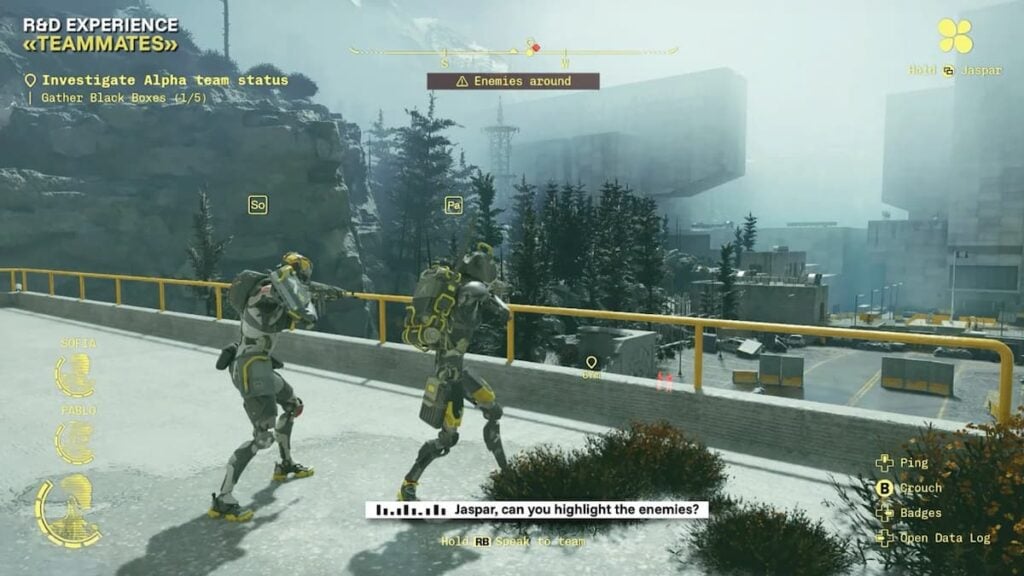
During hands-on sessions (reported by Game Developer and VGC), players found that these AI companions could respond with surprising accuracy and contextual awareness. Jaspar, the voice assistant, wasn’t just good for narrating the lore or objectives, as he could adjust settings like minimizing the HUD or inverting controls on the fly, highlight objects or objectives, and provide tactical guidance when prompted.
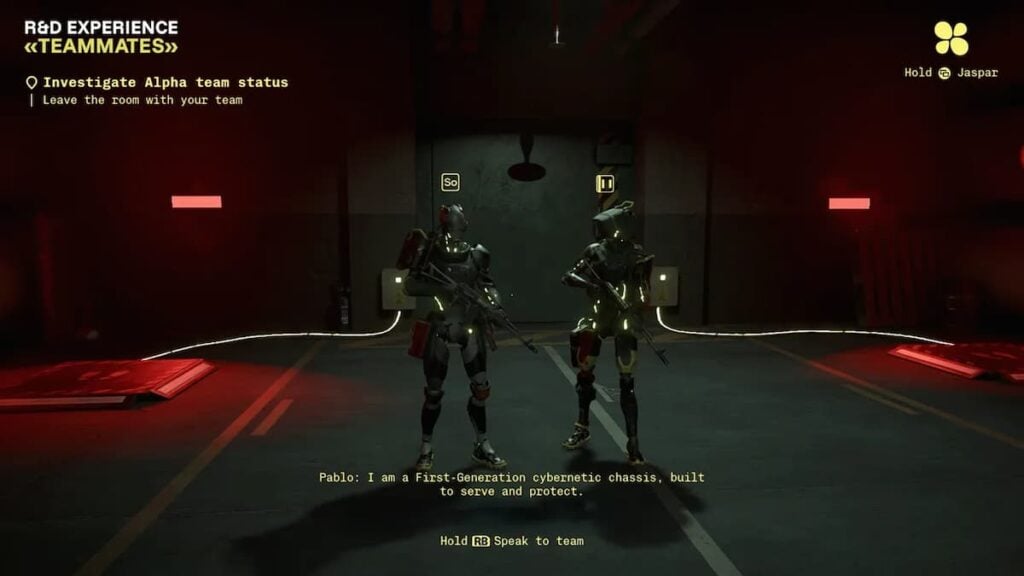
Meanwhile, Pablo and Sofia accurately interpreted spoken instructions such as taking cover behind specific objects, flanking enemies, or even coordinating puzzle-solving tasks by positioning themselves on marked spots. Testers also noted that the AI handled accented speech well with minimal latency. Even as the characters adapt dynamically, Ubisoft has implemented design boundaries to ensure they behave consistently within the narrative and mission framework, rather than improvising unpredictably.
In a conversation with Game Developer, Ubisoft also revealed several technical tidbits for the enthusiasts among us. For a quick glimpse, Teammates runs on the Snowdrop engine and uses a generative AI stack combining Google Gemini with internal middleware, enabling characters to interpret voice, tone, and in-game context in real time.
While still experimental, Ubisoft believes Teammates could eventually be as transformative as the industry’s leap from 2D to 3D. As of now, Teammates has been shared with a bunch of players who are helping Ubisoft test the experience in a closed setup. Their valuable feedback will shape the game’s future. The publisher has also hinted at an upcoming “explainer video,” so you’d want to keep your eyes peeled for an announcement.
There’s no public release date for Teammates at the time of writing.