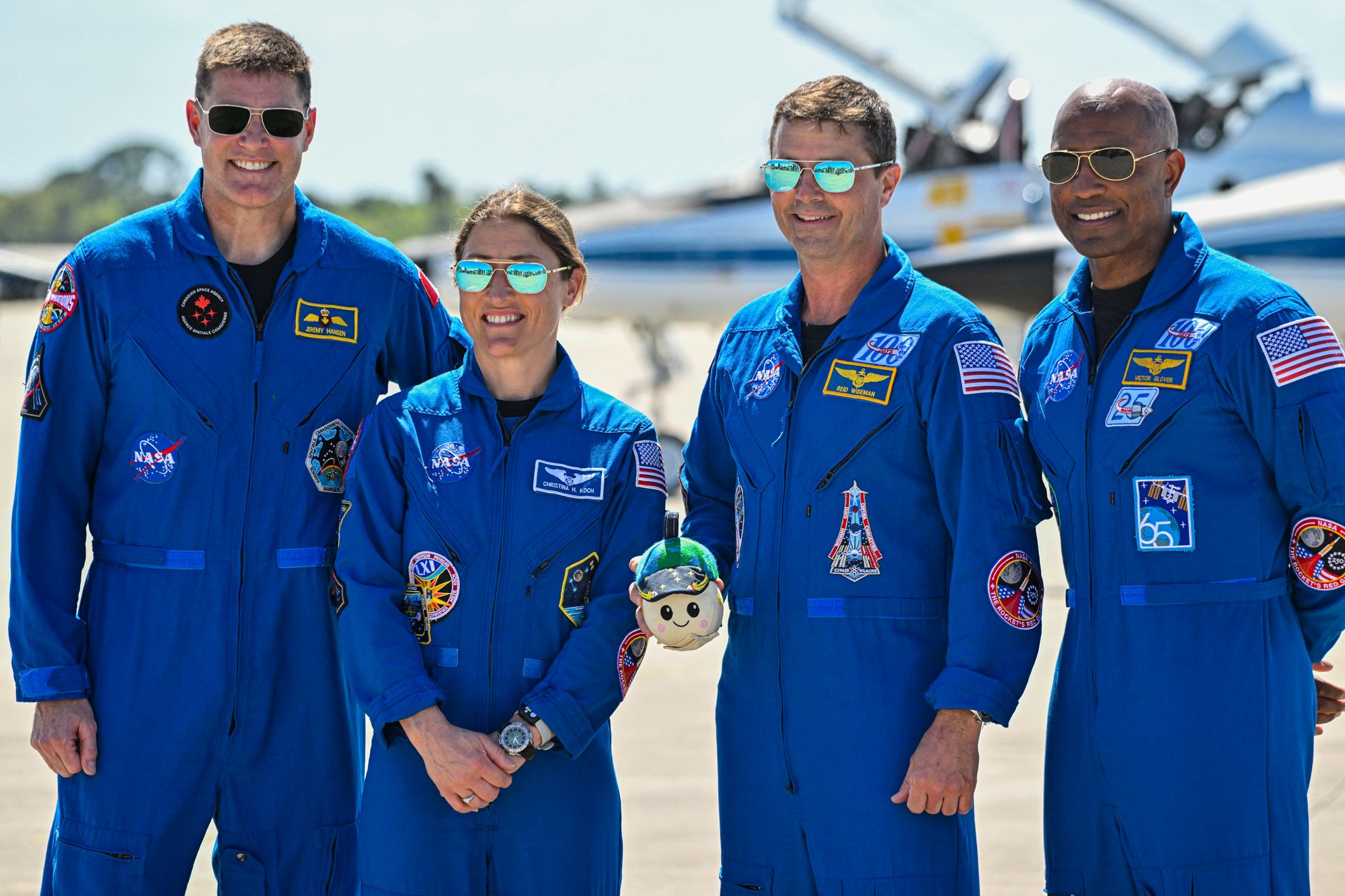
NASA’s Artemis II mission is set to launch four astronauts around the moon later this evening, the first such attempt in more than 50 years - with their favorite new plush toy joining them on the trip.
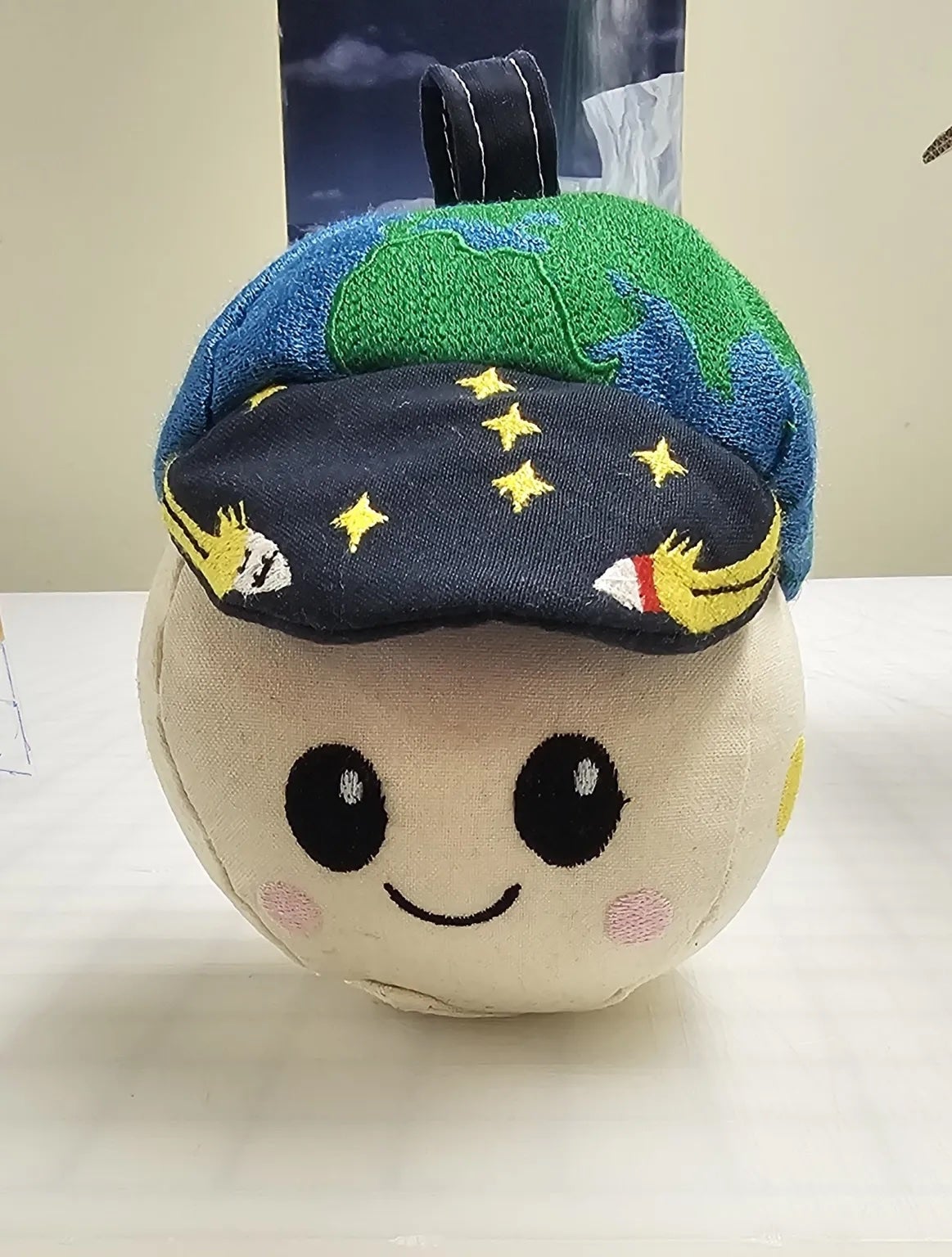
They will be joined by “Rise,” a jolly, softball-sized moon plushie wearing a baseball cap that features a nod to the pioneering Apollo 8 mission in 1968.
Rise is what is known as a zero gravity indicator, which provides the astronauts with visual confirmation that they’ve reached zero gravity in space.
But Rise also has a separate mission: carrying a MicroSD card with the names of 5.6 million people from around the world for the historic flight.
Why Rise?
The smiling plush, designed by northern California second-grader Lucas Ye, was selected for the mission from more than 2,600 submissions as a part of NASA’s Moon Mascot contest.
Rise wears a cap that features the Earth, two shooting rockets and twinkling stars.
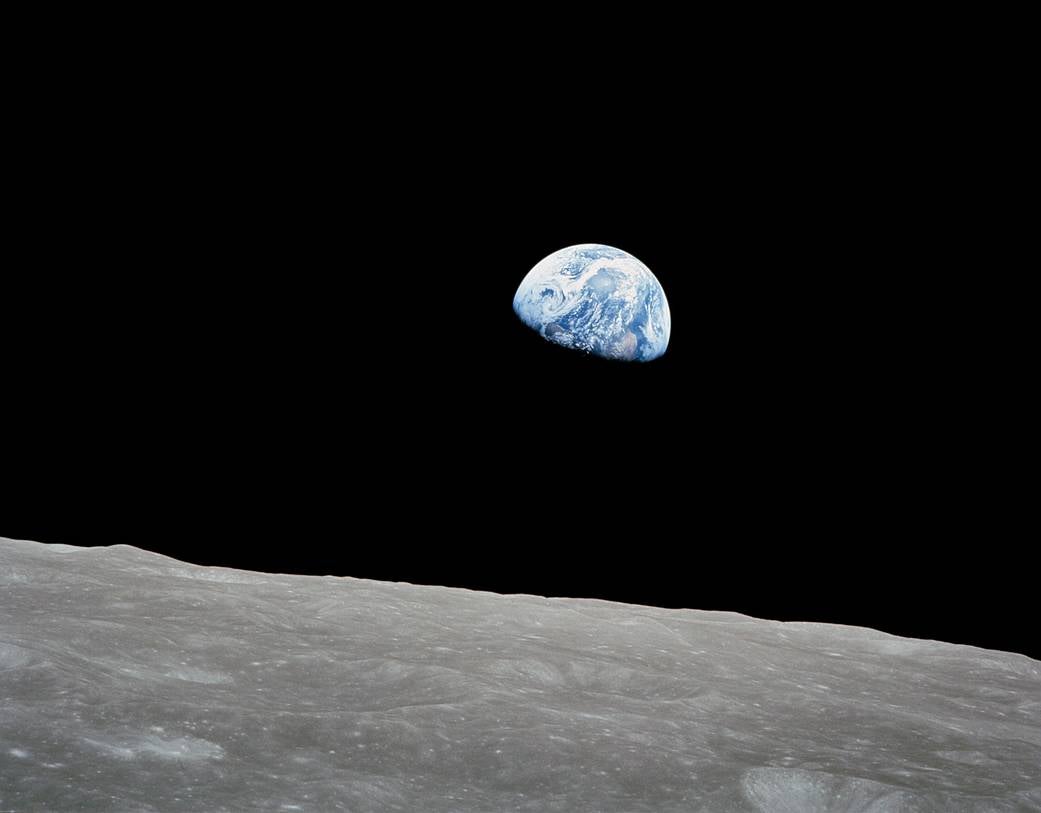
The hat was inspired by the iconic Earth rise photo snapped during the Christmas Eve Apollo 8 mission by astronaut Bill Anders.
That fits with the theme of the mission, according to NASA mission specialist Christina Koch.
"The theme of the mission is the Earth Rise photo taken on Apollo 8, which is inspirational to all of us. It is a mission that sort of mirrors our own. And we've incorporated that into our mission patch and into our ethos and values as a crew," she told FOX 35 Orlando.
Rise is the second zero-gravity indicator for NASA’s Artemis program. The successful Artemis I test flight in 2022 carried the beloved Peanuts character Snoopy: a decades-long mascot for the agency. The indicators are small objects that can float in space and let crews know they left the Earth’s atmosphere.
The tradition dates back to 1961, when Russian cosmonaut Yuri Gagarin brought a small doll on the first-ever human spaceflight, according to Florida Today.
NASA only adopted the tradition fairly recently. In 1990, Snoopy flew aboard the space shuttle Columbia.
Apollo 8 ties
Apollo 8 was the first mission to take humans to the moon and back.
Like the Artemis II mission, that crew did not land on the lunar surface, but swung around the back of the moon and returned to earth.
Astronauts Frank Borman, James Lovell and William Anders spent 20 hours orbiting the moon before heading back home. The entire mission took just over six days before the crew splashed down in the Pacific Ocean.
The Artemis II astronauts are also slated to make history. Alongside NASA commander Reid Wiseman, Koch and NASA pilot Victor Glover are expected to become the first woman and first Black man to journey to the moon.
Fellow crew member and Canadian Space Agency astronaut Jeremy Hansen is slated to become the first non-U.S. citizen to accomplish the feat.
Artemis II is the second of five space flights in NASA’s Artemis program, with the goal of landing astronauts on the moon and eventually establishing a base there. Should Artemis II go smoothly, the next phase is anticipated in 2027.
We’re going back to the Moon – follow live
Nasa is heading back to the Moon. Here’s everything to know
Countdown under way for first manned Moon mission in more than 50 years
Full Pink Moon to peak for Nasa’s Artemis launch
Why has it taken 50 years to return to the Moon? A space historian explains
NASA to launch 4 astronauts for first time in decades during the Artemis II mission