
Richard Turere was little when lions repeatedly broke into his family's cattle enclosure at night, killing livestock the Maasai family depended on for their livelihood. The attacks took place near the southern boundary of Nairobi National Park, where expanding settlements have long brought farmers and wildlife into conflict. Instead of accepting the losses or killing the lions, Turere began experimenting with ways to keep them away without harming them. What started as a simple attempt to protect his family's cattle eventually grew into an invention now used by farming communities across Africa and beyond.
Get breaking news anytime, anywhere. Download the TOI app now!
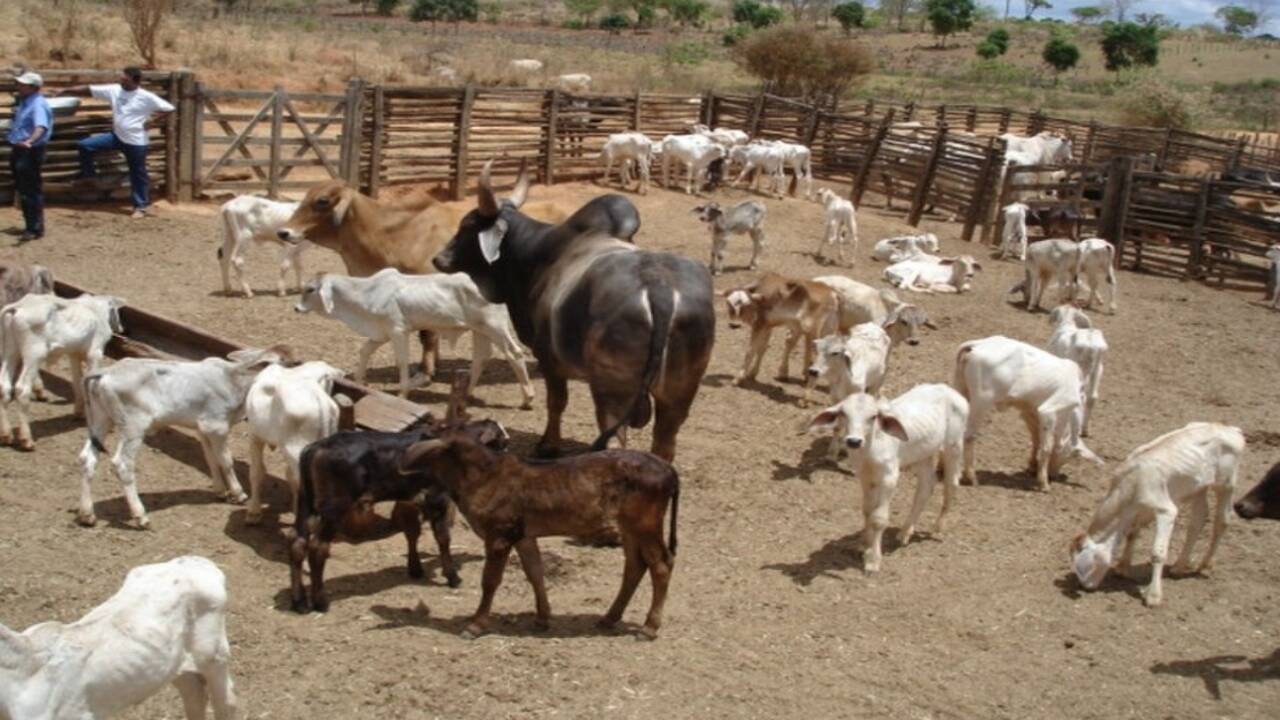
According to WIPO Magazine , the official publication of the World Intellectual Property Organization, Turere was just nine years old when his father put him in charge of protecting the family's cattle in Kitengela, on the southern edge of Nairobi National Park. Living so close to lions, leopards and cheetahs made conflict with wildlife common. Over the next two years, he experimented with different ways to protect the livestock, and by the age of 11 he had developed the flashing "Lion Lights" system that successfully kept the predators away without harming them. Although the predators threatened his family's livelihood, Turere said he never wanted to see them killed in retaliation.
Trial and error before the actual breakthrough
Turere’s solution did not come overnight. He first experimented with lighting fires and placing scarecrows around the cattle enclosure, but the lions quickly learned to ignore both. The breakthrough came when he was walking around the livestock pen at night carrying a torch. He realised that the predators stayed away whenever they saw a moving light, suggesting they thought a person was actively patrolling the area. That simple observation became the foundation of his invention.
Turning scrap electronics into Lion Lights
According to the Wharton Global Youth Program , Turere designed and built the system himself using discarded vehicle parts, broken household electronics, and other materials salvaged from local scrapyards. He created LED lights that flash in changing patterns, making it look as though someone is moving around the enclosure with a torch. The lights worked quickly. His family went from losing about three cows each week to losing none. WIPO Magazine reports that the finished system is powered by solar energy, with wind power available as an alternative, and costs about $20.50 per unit, making it affordable for many smallholder farmers.
From one cattle shed to a foundation across Africa
The invention quickly spread beyond Turere's family. According to NPR, neighbouring farmers soon asked him to install the flashing lights on their own properties, and the idea gradually expanded across Kenya before reaching other countries. Turere's work also attracted international attention, earning him an invitation to speak at TED in California, his first-ever flight.
WIPO Magazine reports that Turere established the Lion Lights Foundation in 2013 to help communities reduce livestock losses without harming wildlife. Today, the system protects more than 2,300 smallholdings across Kenya and has expanded into Botswana, Namibia, Tanzania, and Zimbabwe. Similar flashing-light systems have also been adapted in countries including Argentina and India to deter predators such as pumas and hyenas. Turere said persuading members of his Maasai community to trust the technology was initially difficult because few had seen anything like it before, but demonstrations gradually won them over.
Recognition and a lasting legacy
Turere later registered the invention as a utility model, protecting it from unauthorised copying while allowing him to work with partners. In July 2023, he received the Young Inventors Prize at the European Inventor Award for the same invention he first assembled as an 11-year-old using little more than scrap parts and determination.
What began as a boy’s effort to protect his family’s cattle is now a conservation tool used in multiple countries. By reducing livestock losses without killing predators, Turere’s invention shows that protecting rural livelihoods and conserving large carnivores can go together.