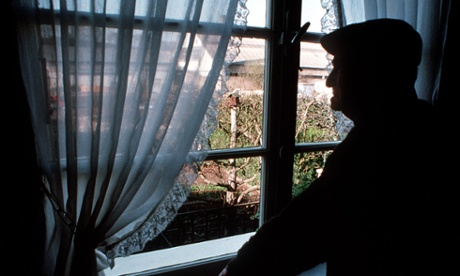
Over the course of next parliament, approximately 3 million people in the UK can be expected to die, half of whom are likely to die in hospital - which for many people is the last place they would like to die.
Although Britain’s palliative care services are among the best in the world, there is a large unmet need for services and very serious challenges ahead. The number of people dying each year is increasing and the population of over-85s is set to double over the next 20 years. The UK needs a new focus on health, wellbeing, housing, care and support for this emerging cohort.
How prepared are we as a nation to deal with this demographic timebomb? Are we ready to step up our efforts to ensure people receive the care and support they need to live well until they die? And will this be available where they want it, which for most people is in their own homes or in a hospice and not in hospital?
Key to achieving this is end of life care being taken seriously as a priority by government, and viewed as a fundamental part of the NHS Five Year Forward View.
However, although necessary, this isn’t sufficient. All clinicians must do more to recognise that dying is an inevitable part of living and not always a failure. They must ensure dying people get the dignified and compassionate care they need.
Hospital wards are full of people approaching the end of their life who do not need to be there. This is imply because no one has discussed their choices with them for what lies ahead. What is also too common is over-investigation and futile treatments. This is a phenomenon that is increasingly being recognised and referred to as “too much medicine”. Interestingly, as new ComRes research released to coincide with Dying Matters Awareness Week shows, more than three-quarters of us say that our quality of life is more important to us than how long we live for.
Healthcare professionals tend to practise defensively because of fear of complaints or litigation or of getting into trouble with their employer. Sometimes it is because the conversations about death and dying are just too difficult – “it is never the right time”. The scourge of modern medicine is fragmentation, over-investigation, poly pharmacy and repeated hospital admissions.
Doctors, in particular, are trained to cure but as people live longer with long-term conditions, we need a different approach. Most people die from frailty, old age and cardio-respiratory conditions. Multiple diseases are common, including dementia. Most deaths can be anticipated. Patients such as this are well known to services and have frequent contact, thus enabling proactive care.
I would urge all frontline healthcare professionals to ask themselves an important set of questions:
- Could this patient be dying?
- What is their prognosis?
- Are they likely to be in the last years of their life?
If so, then open a conversation about future care planning. Allow them to discuss their choices and options. Think clearly about goals of treatment.
There are not only clinical benefits to this but also spiritual and psychological. People often look for a meaning to their life and want to resolve any issues before they die. Perhaps to say sorry, or I love you. So by having courageous conversations, healthcare professionals can help patients to think about prognosis and plan ahead. Patients are often ready to have conversations – but are healthcare professionals ready? The role of nurses is especially important, and they must be supported to talk openly about dying and end of life care.
I would also co-locate palliative care clinicians with relevant departments such as oncology, geriatrics and general practice. The mantra is “cure and care” and not “cure or care” because quality of life is the key.
By doing this, we would make good care for all at the end of life the norm. People in the last years of their life or with life-limiting diagnoses would be encouraged to think ahead and make advance care plans. Quality and value would improve dramatically. All people with advanced progressive incurable illnesses would receive palliative care, regardless of diagnosis or postcode.
If we are to succeed in ensuring people get the end of life care that is right for them, then alongside support for the public in planning ahead and making their end of life wishes known, all healthcare professionals need not to shy away from discussing dying. This requires a radical shift in the education and training. The question is whether Britain’s medical schools and royal colleges can rise to the challenge and produce the healthcare professionals that the nation needs.