• After the Sun broke the story of David Mellor’s cab rant in its splash on Tuesday, for most papers it gave columnists material but dropped down the news agenda. But not for the Daily Mail, which was alone (the copycat Express apart) in putting a suitably ghastly photo of the former heritage secretary on its front page the following day, with the headline “Mellor in disgrace after foul-mouthed rant” (something Paul Dacre and his top team are of course never guilty of). Any connection, Monkey wonders, to the fact that Mellor is the classical music reviewer of the hated Mail on Sunday, the daily paper’s sister title but one with which it conducts Fleet Street’s most entertaining feud?
• Mellor is also a presenter on LBC, but he received precious little support from one colleague at the talk radio station: Stig Abell tweeted a Matt cartoon about the row as well as the scoop splash in the Sun (Shut up! You stupid, sweaty little git), where he is managing editor. However, the widely loathed ex-minister did get unexpected backing in an Independent column by former Indy editor and GQ lunch correspondent Simon Kelner (“I think David Mellor may have had a point”), though perhaps there should have been full disclosure of the fact that Kelner, now primarily a PR man, spins for Global Radio, owner of LBC?
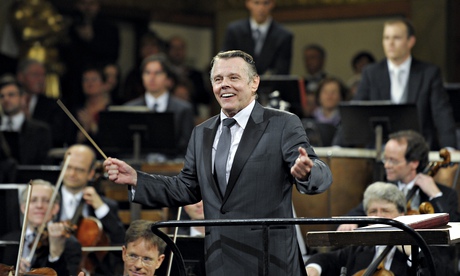
• BBC2 and BBC4 controller Kim Shillinglaw is well-known for backing women, both as presenters of the documentaries she oversaw in her previous job, and when she insubordinately tweeted before her promotion: “Why are only women on Mock the Week compilations laughing cutaways? They never get to speak.” So Monkey was depressed to see, in the BBC’s festive season plans, that once again BBC2 has agreed to show the New Year’s Day concert by the notoriously sexist Vienna Philharmonic. The pieces scheduled are all by men, no woman has ever conducted the annual gig and the chances of a woman soloist are pretty slim, given that all the orchestra’s 16 divisions bar the harpists are headed by blokes. Hopefully there’ll be a BBC rising star who will tweet mutinously about this a la Shillinglaw (“why are only women a few rank and file players? They never get to conduct or play solos”) on the first day of 2015.
• It was kind of BBC television supremo Danny Cohen to break into his Twitter exchanges with Robbie Savage to reveal that, for the post of BBC3 digital controller, “we will use 360 interview approach with panel of different levels of seniority”, even if the jargon rendered what exactly he was announcing (scattergun questions from kids and octogenarians?) opaque. But possibly placing that tweet directly below a retweeted photo of Harry Hill as the Beeb’s Professor Branestawm will leave some potential hopefuls with a misleading idea of the kind of digital controller Cohen has in mind.
• With brainy magazines, it’s the done thing to have a quote from a top celebrity intellectual on your website front and in promotional material urging readers to subscribe - the TLS, for example, boasts quotes from Noam Chomsky and Nobel prize winner Mario Vargas Llosa, the Literary Review has one from Martin Amis and Arete is endorsed by John Updike. But who’s that man pictured on New Statesman flyers disinterestedly enthusing that it’s “the best written and most stimulating magazine in Britain”? No lesser literary idol, it turns out, than Jason Cowley, the, er … editor of the weekly. Older NS readers may be reminded of Mr Kipling’s ads commending his own exceedingly good cakes.
• Like the Independent titles, the London Evening Standard is ultimately funded by the wealth of former KGB agent Alexander Lebedev, and now the paper is asking its staff to act as spies. Their mission, if they accept it (and many seem oddly disinclined to do so), is to observe the 350-odd people who hand the Standard out to Londoners: are these “merchandisers”, for instance, having “a fag round the corner and chatting on the phone” instead of distributing the freesheet, “not wearing the right uniforms”, “stood in the wrong positions”, or even not “around at all”, just leaving “piles of papers” to be picked up instead of providing personal service; positive things can be reported too, but as only two are suggested (compared to eight possible merchandiser sins) in the management memo, this looks suspiciously like an afterthought. If some journos do agree to act as sneaks, Monkey fears the email’s jolly final message – “If you can take a picture and send it, even better!” – is its riskiest element. Look out for sudden scuffles outside tube stations, as affluent hacks take snaps of underpaid distributors looking scruffy or answering their phones – what could be better for the paper’s image?
• In an earlier incarnation, Monkey had the privilege of being the first journalist to get the Williams brothers (the writers of The Missing, interviewed in MediaGuardian on Monday by Tara Conlan) talking on tape. This was during a phone interview with their father, the arts documentary producer and TV playwright Nigel Williams, in which the brothers – then perhaps tweenagers or young teenagers – could be heard throughout in the background talking swearily and loudly, either to him or about something they were watching; their dad would occasionally break off the interview to swearily tell them to shut up or keep it down, but they would swearily answer him back and the noise level would soon rise again. So it’s no surprise, with such vibrant dialogue going on every day at home, that, decades on, the boys have become dramatists specialising in family stories. If asked to bet, Monkey’s money then would have been on future careers as soap writers or stars, but it’s fair to assume that the ban on four-letter words in EastEnders and Corrie would have blocked off that route.