During the 2003 heatwave, temperatures in southern Britain soared into the upper 30s centigrade. Curiously, media reporting suddenly switched to the old fahrenheit scale. Why? The answer was ludicrously simple. The temperature was about to hit a record 100F, which reporters of the day seemed to think much more newsworthy than a “balmy” 37.8C. Last week we experienced another meteorological event that engendered hysteria in the media. So it was that the term “weather bomb” (technically explosive cyclogenesis) entered our psyche (Report, 11 December). With the weather bomb came high winds and waves, the latter predicted, in the BBC radio report I caught, to reach 40 feet. That’s right, 40 feet – we’re back with imperial measurements – 12.2-metre waves don’t sound large enough to generate the necessary public hysteria.
So might our media be missing a few tricks when “bigging up” meteorological events? Simply changing centigrade to fahrenheit overlooks the Kelvin scale: using this they could report perfectly normal average summer temperatures in the UK of nearly 290K. For the weather bomb, winds were predicted up to 80mph; in kilometres per hour, that would be a scary 130kph. And why not millimetres for waves? The idea of 12,200mm waves will definitely get coastal dwellers heading for the hills.
Professor Richard Evershed
University of Bristol
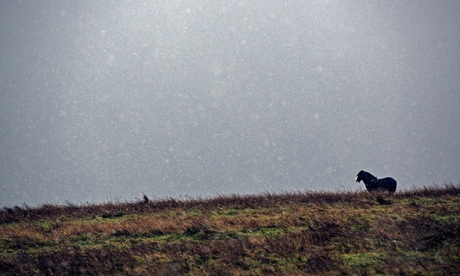
• Up here in north Donegal, after two days of explosive cyclogenesis – force 10 winds, driving sleet, coastal waves like geysers spraying the land with salt scum – followed by snow, we don’t have any bugs, bees, flowering plants or even green shoots. We do have resilient survivors, wee birds, corvids, rodents, little horned sheep and local people who are well used to the conditions. It’s winter and it’s wonderful.
Maureen Surgente
Fanad, Donegal, Ireland