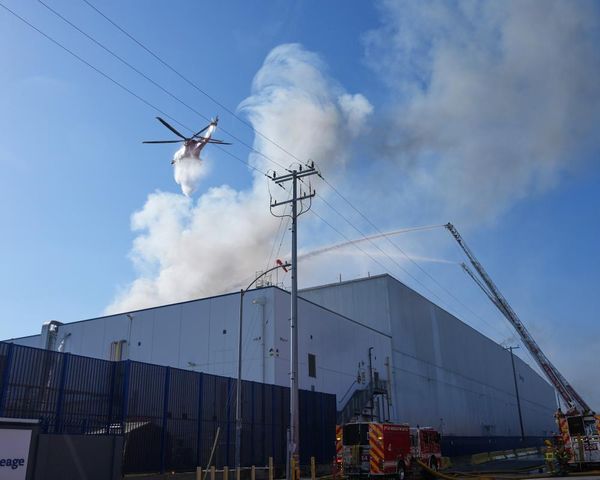
Meat departments face pressure as supply disruptions reshape what shoppers find in their carts. The issue disrupts familiar routines, pushing some families to rethink their weekly meals. Shelves look full one week and strained the next, creating a sense of instability around basic staples. Retailers chase reliable deliveries while processors juggle labor, feed costs, and transportation setbacks. These supply disruptions ripple through every step, and popular cuts land right in the crossfire.
1. Reduced Availability of Choice Cuts
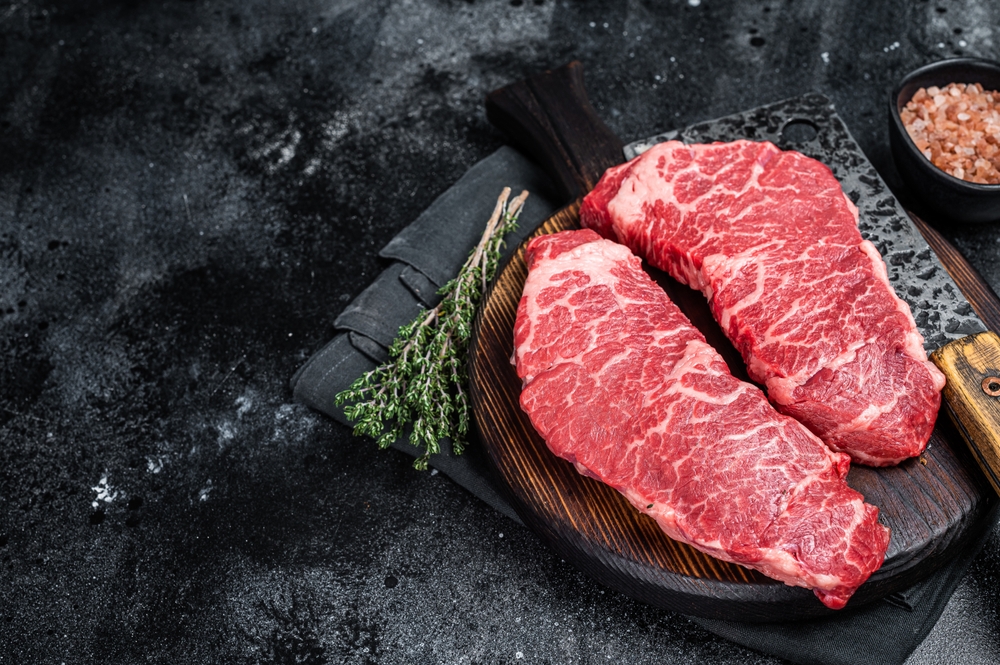
Ribeye, tenderloin, and other premium selections slip in and out of stock as supply disruptions interrupt processing schedules. When delays stack up, processors favor high-volume cuts that move quickly, pushing prized steaks to the background. Shoppers looking for weekend grilling essentials find fewer options and higher prices. Some stores try to compensate with expanded house-butchered offerings, but the inconsistency keeps the pressure on weekly planning.
The pattern creates a quiet shift. People adjust expectations, learn to be flexible, and sometimes leave with cuts they didn’t intend to buy. The result ends up reshaping demand in real time, even when stores work to maintain a sense of normalcy.
2. Ground Beef Stability Masks Hidden Strains
Ground beef remains one of the most resilient items in the meat case, yet even it carries the fingerprints of supply disruptions. Processors rely on trim that depends on a steady beef flow from multiple facilities. A slowdown in one plant forces other plants to absorb the load. Production continues, but the margin for error shrinks fast.
Stores try to keep prices stable, knowing ground beef anchors household budgets. But the strain lingers just under the surface, visible in fluctuating fat blends, limited value packs, and occasional gaps that appear without warning. Those moments serve as reminders of how fragile the system can be when every pound relies on upstream consistency.
3. Pork Loins Hit by Irregular Processing Cycles
Pork loins, usually abundant and reliable, swing in availability when processors face rotating staffing levels and shifting supply routes. These disruptions start small. A delayed feed shipment slows growth cycles by a few days. A truck route closure adds hours to travel time. One bottleneck compounds another, and suddenly a predictable product becomes harder to source.
The impact shows up in the meat department as thinned-out displays or price bumps that feel out of sync with past patterns. Shoppers who rely on pork for cost-friendly meals notice the difference immediately. It pushes some to switch to chicken, which adds pressure to another protein chain already battling its own constraints.
4. Chicken Wings and Thighs Face Market Swings
Chicken wings remain a high-demand item tied to sports seasons, gatherings, and everyday snacking. But the supply side doesn’t operate on fan energy. It operates on hatch rates, feed costs, and transportation capacity. When supply disruptions affect even one of those elements, wings become scarce or unexpectedly expensive.
Thighs, typically more stable, also feel the squeeze when processors shift production to meet wing demand. This chain reaction leads to uneven stock levels, leaving meat departments with unpredictable gaps. For shoppers, the inconsistency becomes frustrating. For retailers, it becomes another balancing act in a long line of them.
5. Seasonal Cuts Become Harder to Predict
Holiday roasts, corned beef, and grilling-season favorites traditionally follow predictable cycles. Those patterns now bend under supply disruptions that upend long-term planning. Retailers order early, but early no longer means guaranteed. Some shipments arrive short. Others arrive late. A few never show.
The uncertainty forces meat managers to improvise. They adjust displays, promote alternative cuts, and communicate directly with customers who count on these seasonal staples. Even successful workarounds highlight how much effort it takes to maintain the appearance of normal holiday abundance.
A Slow Build Toward More Resilient Planning
Supply disruptions expose how tightly the meat system functions, and how easily it stumbles when any link falters. The good news is that retailers and processors increasingly plan around instability rather than wait for ideal conditions. That shift nudges the industry toward more resilient strategies, even if the transition feels uneven.
Shoppers adapt too. Some learn to buy flexible cuts. Others stock up when prices dip. And while the disruptions continue to test every department, the push for steadier supply chains grows louder. How are meat shortages and shifting options affecting your grocery shopping right now?
What to Read Next…
- 7 Disturbing Truths About The Meat Sold In Grocery Stores
- These 5 Grocery Stores Have The Best Meat Selections
- 9 Chicken Cuts That Give You More For Less But No One Buys Them
- Why I No Longer Buy Meat From The Grocery Store And What I Do Instead
- How To Find Frozen Dinner Coupons: 12 Simple Tips For Budget Friendly Shopping
The post Meat Departments Battle Supply Disruptions Affecting Popular Cuts appeared first on Grocery Coupon Guide.