The rainy season has set in while the coronavirus continues to spread. Heavy rainfall causes disasters in the nation almost every year. For example, the northern Kyushu region was devastated by heavy rains in 2017 and western Japan was in 2018.
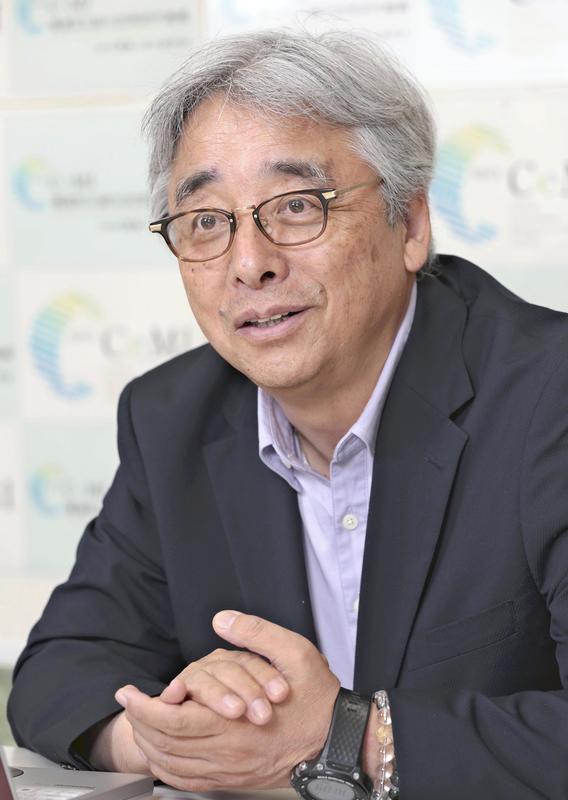
University of Tokyo visiting Prof. Ichiro Matsuo, who specializes in anti-disaster measures, shared his thoughts with The Yomiuri Shimbun about how we should prepare for the possible risk of infection with the virus at evacuation centers. Such risk is believed to be high at evacuation centers, where the "three Cs" -- closed spaces, crowded places and close contact -- can readily occur.
Ichiro Matsuo:
Measures needed to disperse evacuees
Heavy rainfall causes disasters almost every year in the nation because the sea surface temperature around the country has been high in recent years, making it easier for the sea to supply the atmosphere with a large amount of moisture that causes heavy rain.
Behind this trend lies global warming. Frequent torrential rains and large typhoons will continue to be inevitable. In addition, major earthquakes could strike in any place, at any time in this earthquake-prone country. It is imperative that we implement advanced evacuation measures, including those for thorough infection prevention, to protect people's lives from complex disasters, including the coronavirus pandemic.
Thus far it has been the standard for a large number of residents to gather in designated evacuation centers such as gymnasiums, and bunk together on sheets when a disaster occurs. There is no privacy at such evacuation centers in an environment of the "3Ds" (dirty, danger of infection risk and demanding).
In a survey of 5,261 people nationwide we conducted in April, 73.3% of the respondents said the covid-19 outbreak will "affect evacuation behavior." Most of the respondents, or 41.7%, said they will "sleep in their cars or other vehicles" in case they need to evacuate. Thirty-nine percent of the respondents said they "will go to a shelter, but will change the place of refuge depending on the situation." Multiple answers were allowed for this question. The survey results suggest people are afraid of becoming infected with the virus at evacuation centers.
It is essential to take measures to prevent the spread of infection -- such as providing sanitary toilet facilities and washrooms -- at evacuation centers so that people can take shelter without any concerns. With the introduction of anti-coronavirus measures at evacuation centers, shelters with the "3Ds" can turn into clean and privacy-guaranteed spaces divided by partitions.
Various forms of evacuation should be promoted to prevent a concentration of people in evacuation centers, thus spreading the coronavirus. "Evacuation at home" can be an option if staying home is considered safe. Sleeping in a car or staying in a tent set up at a parking lot should also be considered. Utilizing hotels or empty houses should be another option as well.
As a way to support local governments, I drew up evacuation guidelines during the coronavirus pandemic, along with doctors who engaged in disaster medical care after the Great East Japan Earthquake, and others. We also made a list of items individuals should have in their emergency bags to cope with the coronavirus.
Long periods of immobility due to living in a cramped environment can develop a condition commonly known as economy-class syndrome, in which blood clots occur in veins, raising the risk of disaster-related death. Reports state blood clots are likely to easily form if a person is infected with the coronavirus. For this reason, we explain in the guidelines measures to prevent diseases associated with living at shelters, including economy-class syndrome.
It will take several years for drugs or vaccines, which are essential to control the infection, to become widely available. We must swiftly establish a cooperation system between administrative bodies and citizens to not invite panic should complex disasters occur.
The interview was conducted by Yomiuri Shimbun Senior Writer Masashi Yoshida.
-- Ichiro Matsuo, 64, deputy chief of non-profit organization Crisis & Environment Management Policy Institute's Research Institute for Disaster Mitigation and Environmental Studies, serves as a disaster prevention adviser for various local governments, including Tokyo's Adachi Ward and Mie Prefecture's town of Kiho.
Read more from The Japan News at https://japannews.yomiuri.co.jp/