In politics, “pivot” is one of those irregular declensions that goes something like: I listen to reason, you pivot, he/she/it swivels, they U-turn. It is enjoying a vogue in discussion of Brexit, as people suggest that Theresa May might “pivot” to a softer Brexit or that Jeremy Corbyn might “pivot” to a new referendum.
I know language changes and all that, but I think we should avoid the word in our reporting, because – despite conjuring visions of the sofa-moving scene in Friends – it implies a deft switch to a better position.
Take me to my leader: Talking of Labour pivoting to support The Independent’s campaign for another referendum, we put this headline on an article written by a Labour MEP: “Jeremy Corbyn, as my leader I implore you to back a Final Say.” That says that Julie Ward is her own leader, which makes no sense and forces the reader to pause for a moment to work out that the sentence should read: “Jeremy Corbyn, I implore you, as my leader, to back a Final Say.”
Scottish influence: In a “news in brief” item this week we reported that a “taxi driver pled guilty to driving with excess alcohol”. Two readers, John Schluter and Henry Peacock, pointed this out. Our style is “pleaded”, although I rather like the economy of the shorter word, which the Oxford dictionary describes as Scottish and North American usage.
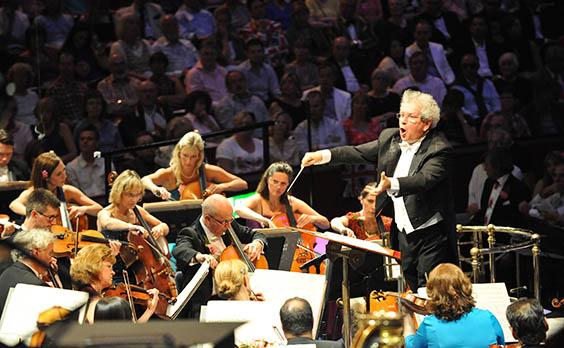
Musical interlude: Mr Schluter also mentioned our use of “crescendo” in an editor’s letter this week, as did David Sims. We wrote: “You spend a whole day building to the crescendo of the front page.” The crescendo is the “building” bit: it’s Italian for growing (louder). The problem is that the musical term we need is “climax” and no one wants to use that these days.
Chart hit: Last week I said that the phrase “unchartered territory” was a garbled form of “uncharted territory”, forgetting that I had once had a discussion about this with Rich Greenhill and conceded that it was not clear.
As he said, “charts are nautical, so uncharted waters are unfathomed risk”, whereas unchartered referring to land used to mean lawless. He pointed me towards some references in Hansard in 1838 to “unchartered colonies”, meaning British possessions that had not been granted a royal charter and which therefore were not governed by British law.
I conclude that the only sensible thing to do is to avoid the phrase, in both forms, altogether.
The Independent has launched its #FinalSay campaign to demand that voters are given a voice on the final Brexit deal.
Sign our petition here