April 01--McDonald's plans to raise starting wages by $1 above the local minimum at its company-owned U.S. restaurants and adjust pay for existing employees, just some of the changes the company is announcing after more than two years of union-backed protests regarding the pay of its workers and those across the industry.
The pay increase goes into effect on July 1 and will impact more than 90,000 employees at the company's 1,500 company-owned U.S. restaurants, according to a guest opinion piece from CEO Steve Easterbrook appearing in the Chicago Tribune.
Those restaurants account for about one-tenth of McDonald's restaurants across the country. The franchisees who operate the vast majority of U.S. restaurants will make their own decisions on pay and benefits, Oak Brook-based McDonald's said Wednesday.
McDonald's projected that by the end of 2016, the average wage rate for McDonald's employees at its company-owned locations would exceed $10 an hour. While the federal minimum wage is $7.25, minimum wages exceed that in certain parts of the country. In Chicago, the minimum wage is set to rise from $8.25 to $10 an hour on July 1.
The company will also give its restaurant employees paid personal time off to those who have been with McDonald's for at least a year. If workers choose not to take their earned paid leave, they will receive a check for the value of that time.
"We understand that life balance is important, and believe that this will make a difference for our people," Easterbrook wrote in the Tribune.
A third pillar of the new plan is offering all restaurant employees, those at both company-owned and franchised locations, education opportunities including college tuition assistance.
The moves come one month after Easterbrook took the CEO spot at McDonald's.
"We know that a motivated workforce leads to better customer service so we believe this initial step not only benefits our employees, it will improve the McDonald's restaurant experience," Easterbrook said in a McDonald's statement. "We'll continue to evaluate opportunities that will make a difference for our people."
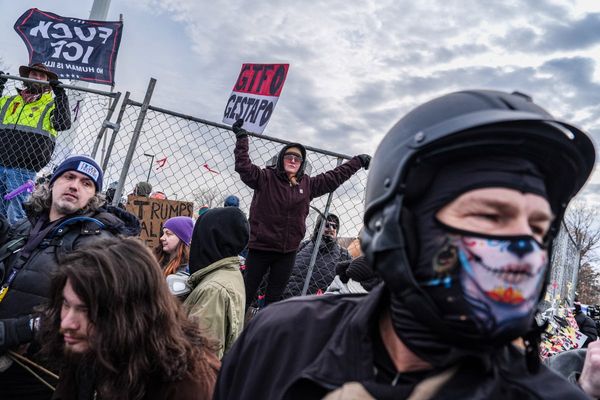
Some workers who have been protesting against the company and other fast food chains said McDonald's made the change because of their actions and that the $1 hike was insufficient.
"Because we joined together and stood up, McDonald's was forced to raise pay. Still, this is too little to make a real difference, and covers only a fraction of workers," Kwanza Brooks, a worker who makes $7.25 an hour in North Carolina, said in a statement released by protest organizers.
More to come.
jwohl@tribpub.com