
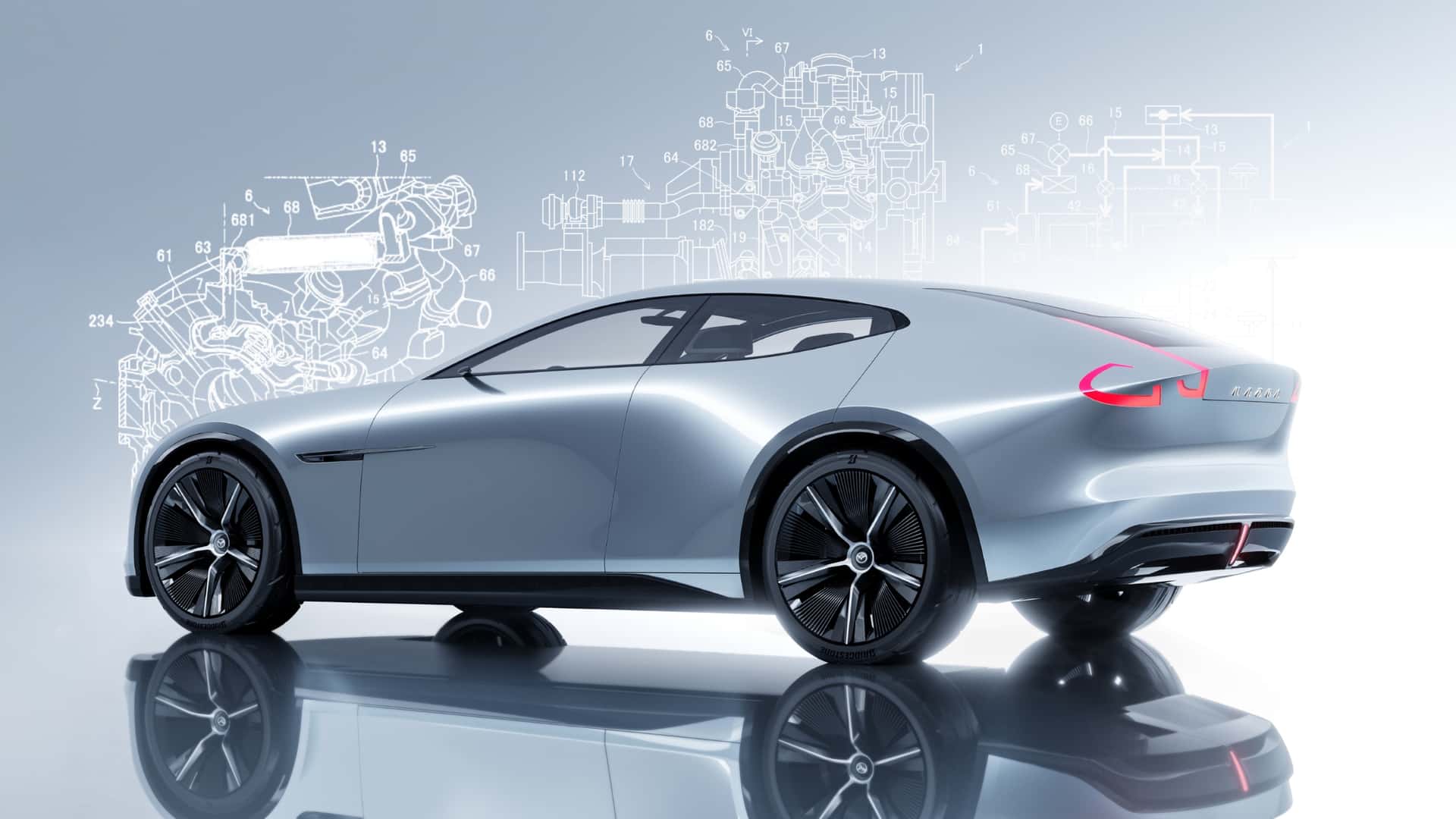
Mazda refuses to let the rotary engine die, for better or worse. A recently published patent from the Japanese automaker reveals the company’s latest idea designed to make the finicky powertrain more efficient for modern regulations.
The patent, first uncovered by CarBuzz, is for a new rotary engine exhaust gas recirculation (EGR) system. The EGR lowers a vehicle’s emissions by pumping a certain amount of exhaust gas back into the engine’s intake to prevent high temperatures from forming in the combustion chamber.
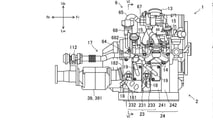
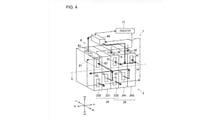
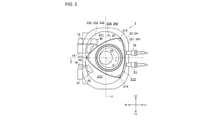
If Mazda wants to keep the rotary around, it needs the engine to be as efficient as possible, which means innovation. The system works via a dual-port exhaust system. The side port opens first in the combustion cycle, routing the high-temperature air to a turbocharger turbine.
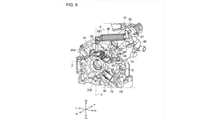
The peripheral port opens later in the cycle, resulting in cooler gas. Mazda routes this to an EGR cooler through a passage cast inside the engine's side structural housing. It runs adjacent to the engine’s internal cooling passage, reducing the gas’ temperature even more.
Due to the cooler exhaust gas temperatures, Mazda can fit the engine with a smaller cooler.
What Does Mazda’s New EGR System Fix?
EGR coolers are often large and, according to Mazda’s filing, there is little available space around a rotary engine. The new patent provides a space-saving solution that lowers combustion temperatures while optimizing the air-fuel mixture.
Rotary engines typically operate with a fuel-rich mixture designed to lower combustion temperatures and protect vital components. This results in lower fuel economy and higher emissions, two major hurdles to meeting today’s emissions regulations.
Mazda’s new EGR system would let the automaker maintain a stoichiometric air-fuel ratio during high-load operation without a large external EGR system.
Mazda Really Loves The Rotary
Despite the rotary’s technical hurdles, Mazda continues to talk about and tease the powertrain. The automaker most recently used a rotary as a range-extender for its MX-30 battery-electric vehicle, which did feature an EGR system.
Mazda first showed interest in the rotary in the early 1960s, forming a dedicated research department for the engine. In 1967, the automaker launched the Cosmo Sport 110S, which featured a twin-rotor engine.
The automaker would continue to develop and offer the engine for the rest of the 20th century, but it would not last long. The automaker ended RX-8 production in 2012, but many at the company still want the engine to power a proper sports car.
Motor1’s Take: Mazda’s new EGR system is a step in the right direction to making the rotary more powerful and efficient. If the automaker truly wants to put the powertrain in a new sports car, it will need more tricks and innovations to make it a modern competitor.