The Breakdown
- The Mazda 6e is attracting VW e-Golf and Passat buyers.
- Nissan Leaf owners are also switching to the electric sedan.
- A range-extending version isn't coming to Europe, even though Mazda sells it in China.
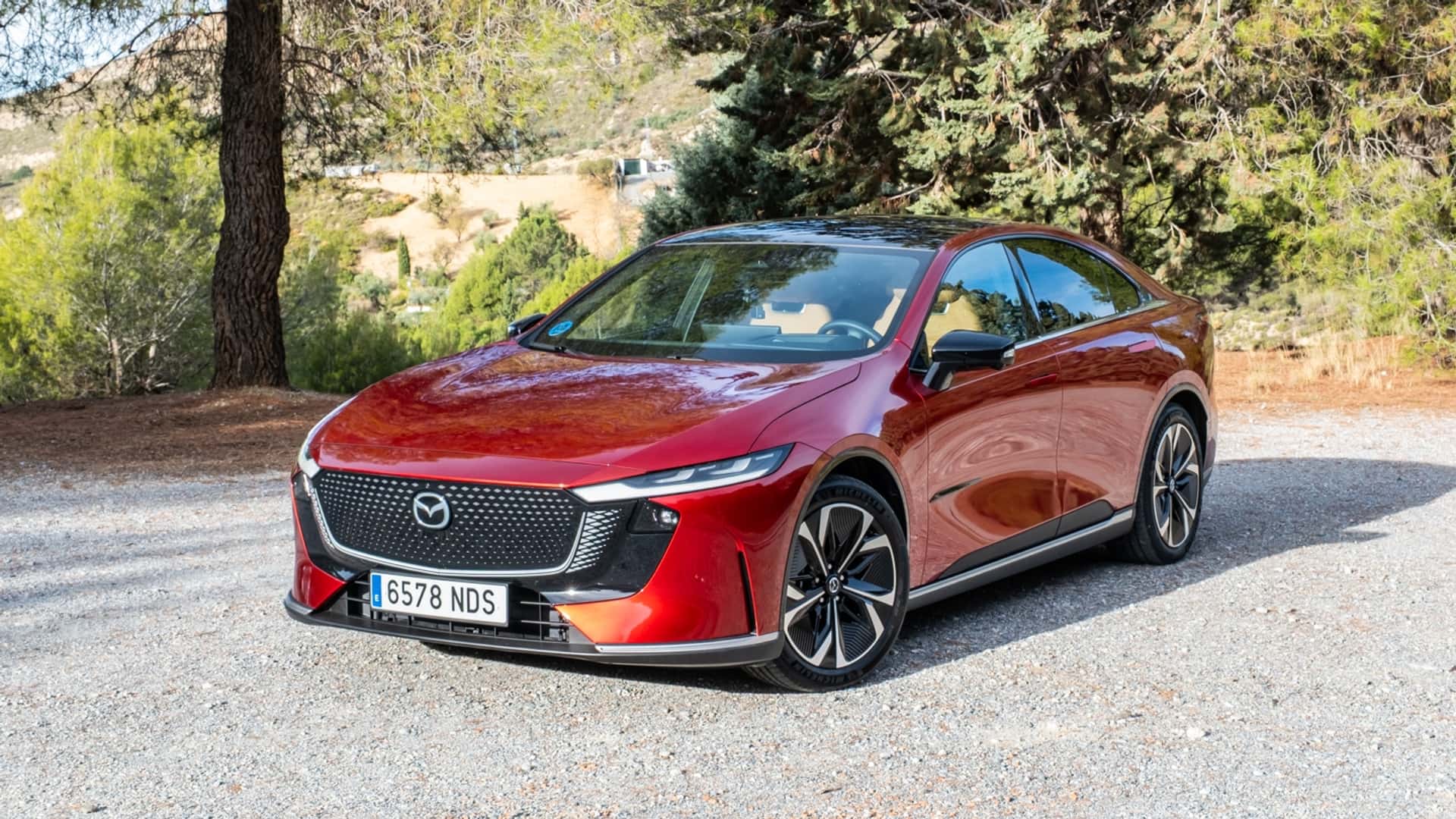
Mazda’s first EV failed to gain traction among European buyers, as slow sales of the MX-30 forced the company to prematurely pull the plug on the electric crossover in 2025. Even the range-extending version, which used a rotary engine as a generator, has since been retired from the continent. In its place comes a new wave of larger EVs with a Chinese connection. While the CX-6e won’t go on sale until summer, the 6e has been available in Europe since last September.
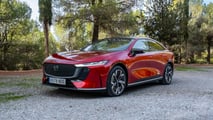
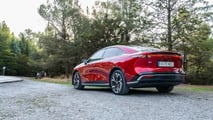
The mid-size model has attracted more than 7,000 buyers in less than five months since setting foot on the European continent. Built in China by the Changan-Mazda joint venture, the 6e is closely related to the Deepal L07 and is also a more practical five-door liftback rather than a traditional four-door sedan. We’re now learning that Zoom-Zoom’s EV is luring buyers away from other brands.
The company had projected that as many as 80 percent of buyers would be returning customers, but the numbers show that more than half are coming from other brands. Mazda Europe CEO Martijn ten Brink told Automotive News Europe that the 6e is popular among people moving on from their first EV.

Mazda Is Attracting VW Buyers
He noted that buyers include former Volkswagen e-Golf owners who chose to skip the ID.3 and instead upgrade to the higher-segment 6e, to the detriment of the similarly sized ID.7. Additionally, some companies are switching from Passat fleet cars to the 6e, which doesn’t come in a wagon body style like the gas-fueled model or the electric ID.7.
'We expected 75-80 percent to be Mazda customers who switched to electric, but instead more than 50 percent have been conquest. We attracted a little bit of everything, from people buying their second electric car after already owning a VW e-Golf or a Nissan Leaf, to company car customers who left a combustion VW Passat to switch to electric.'
However, VW is unlikely to be too concerned about losing some customers to Mazda. Wolfsburg’s full-year sales results show that electric car sales in Europe rose by 49.1 percent to about 247,900 units. The ID.7 mentioned earlier accounted for roughly 76,600 units across both body styles, a massive 133.9-percent year-over-year increase.
Still, it’s an encouraging start for Mazda, which hopes to sell as many as 40,000 EVs in Europe by the end of the year once the CX-6e hits the market. Although both the liftback and SUV are also sold in China with a range-extending engine, the company’s European boss says neither version is coming to the Old Continent. Mazda cites the high costs of bringing EREVs to Europe, as these would face the same 30-percent tariffs as for EVs, but for niche versions.
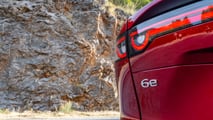
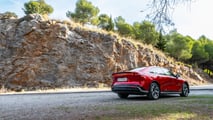
Mazda 6e road test in Spain
Mazda Hasn't Decided If It Will Buy Emissions Credits In 2026
For Mazda, the 6e and CX-6e need to perform well to avoid having to pool carbon emissions once again. The company’s heavy reliance on combustion-engine cars increases the risk of paying fines for exceeding fleet emission targets, which are becoming progressively stricter in the EU. A decision regarding 2026 will be made after the first quarter of the year, based on demand for the two EVs.
Martijn ten Brink pointed out that Mazda is still a small company that can’t operate like the big players: “We don’t have specific teams for electric and internal combustion.” That’s why the Hiroshima-based automaker still needs time to launch EVs engineered on a dedicated platform. Similarly, the electrified CX-5 with a new Skyactiv-Z gas engine and an in-house hybrid setup isn’t arriving until 2027.
Mazda CX-6e
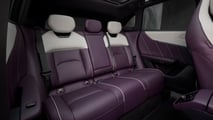
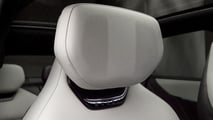
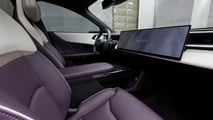
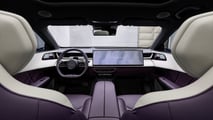
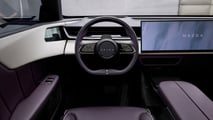
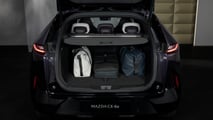
Motor1's Take: Mazda’s decision to launch the 6e and CX-6e in international markets via China’s Changan may have upset brand loyalists, but it was a logical move. After all, bespoke EVs aren’t coming until later this decade, and the MX-30 failed to live up to expectations. Mazda can’t afford to wait that long to have a say in Europe’s growing EV segment.
Having two EVs with deep Chinese roots might alienate some traditionalists, but we’re not convinced the Changan connection will matter much in the grand scheme of things. Badge engineering is hardly a novelty in the auto industry, and Mazda must have done the math and concluded the 6e and CX-6e make sense for Europe despite the China link and associated hefty tariffs.
Source: Automotive News Europe