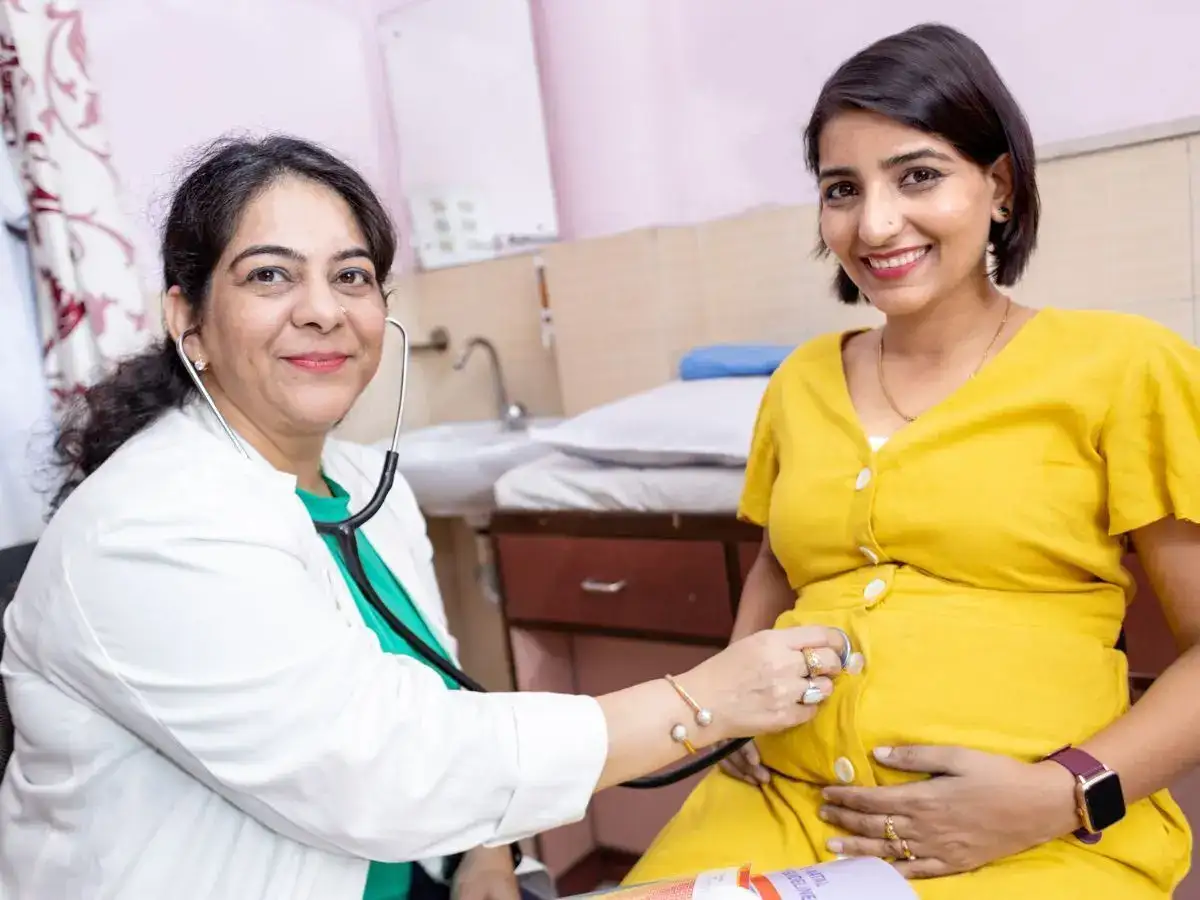
In a recent conversation with a human resources (HR) manager of a multinational corporation, the discussion centred on introducing new insurance covers to highlight the organisation’s DEI (diversity, equity and inclusion) priorities. While this is important, I suggested reviewing their existing maternity limits, which were Rs.50,000 for a normal delivery and Rs.75,000 for a Caesarean section. Maternity is one of the most visible and frequently used benefits in a group health insurance policy. It is also one of the most poorly understood.
Most employees review their coverage late in the pregnancy cycle. By then, the hospital has been finalised and costs have been locked in. Any shortfall becomes an out-of-pocket expense. The problem is not just awareness. Many group policies have not kept pace with the way maternity costs have evolved. A decade ago, maternity limits of Rs.35,000–50,000 were adequate. This is no longer the case.
In most tier-1 hospitals in metro cities today, delivery packages range from Rs.80,000 to Rs.2 lakh. Many hospitals no longer differentiate between normal and caesarean deliveries. Yet, several group policies continue to have separate sub-limits for both. This creates two problems. First, the overall limit is inadequate. Second, the structure itself is outdated. Better designed policies now offer maternity limits of Rs.1.5 lakh to Rs.2 lakh.
ALSO READ | 2-hour hospitalisation: What health insurance policies really cover and what they exclude
Check the waiting periods
A major advantage of a group policy is the waiver of the maternity waiting period. In individual policies, maternity benefits usually kick in after a waiting period of up to three years. In group insurance, this period is typically waived, allowing employees to claim for themselves or their spouses almost immediately after joining. However, it is not universal. Some policies, especially for smaller groups, may retain a reduced waiting period. This must be checked at the time of joining.
Another important aspect of maternity coverage is newborn inclusion. In an individual policy, a child is not covered automatically. Most individual policies specify a minimum age of 90 days. This means that a baby cannot be insured immediately after birth. They can be added in the policy only after a three-month period. Of late, some individual policies have started providing newborn coverage immediately after birth, but with some caveats. In most group policies that provide maternity coverage, a newborn can be included immediately after birth. However, group policies require that any new dependant, such as spouse after marriage or a newborn, be explicitly added to the policy within a defined window, typically 30-45 days. Some insurers extend this to 90 days. If you miss this, the dependant remains uninsured. You could add the dependant at the time of renewal. Often, parents forget to enrol the newborn until a claim arises, and the insurer could deny coverage. Even if you have not named the child within the given time frame, you can add them in the policy with a temporary name such as, ‘baby of
An adjacent issue is the extent of coverage for newborns. In individual policies that cover newborns from day 1, many offer coverage up to the maternity limit, till the first renewal. Most group policies cover newborns within the overall family floater plan. However, some smaller groups may cover newborns within the maternity limit for the first 90 days. So, it is important to cross-check.
The good thing is that once the baby is covered, the coverage norms are generally similar to adults in the policy. The Insurance Regulatory and Development Authority of India addressed one of the remaining chinks through the standardisation of exclusions. Earlier, many insurers excluded internal congenital diseases, affecting newborns with birth defects. Now, it is mandatory to cover such diseases across all health policies.
Maternity expenses are not limited to delivery. There are pre- and post-natal expenses— these are not covered comprehensively by most policies. Even where they are covered, there are multiple variants. Coverage may be within the maternity limit or up to a separate specified limit. Some policies restrict this coverage to expenses incurred during hospitalisation, while others extend it to outpatient department (OPD) expenses.
A select few policies also cover vaccination for the newborn. Given that vaccination is an essential expense after delivery, more employers should consider including this.
Pregnancy-related complications before and during delivery are typically covered within the maternity limit. However, there are exceptions. An ectopic pregnancy is treated as a medical condition, not maternity, and is covered up to the full sum insured. Twin deliveries present a different challenge. Hospitals charge significantly more, but unless the policy explicitly provides a higher limit, the standard maternity cap applies. The gap is borne by the employee.
Real test for group policies
Maternity is often the first real test for a group health policy. It is also a period when financial stress should be minimal, not amplified. A high out-of-pocket expense can create lasting dissatisfaction. Consider a case where the total expense is `1.5 lakh, but the policy reimburses only Rs.50,000. The inadequacy of coverage becomes immediately apparent. It also shapes an employee’s perception of the overall benefits provided by the employer.
Many HR teams trade higher maternity limits for a wider set of low-cost add-ons. In the long run, this may prove counterproductive. The impact on employee morale, and overall perception of benefits, is far more significant. In fact, more progressive HR managers are including infertility treatments as part of maternity benefits under their DEI initiatives.
The Author is Managing Director, Securenow