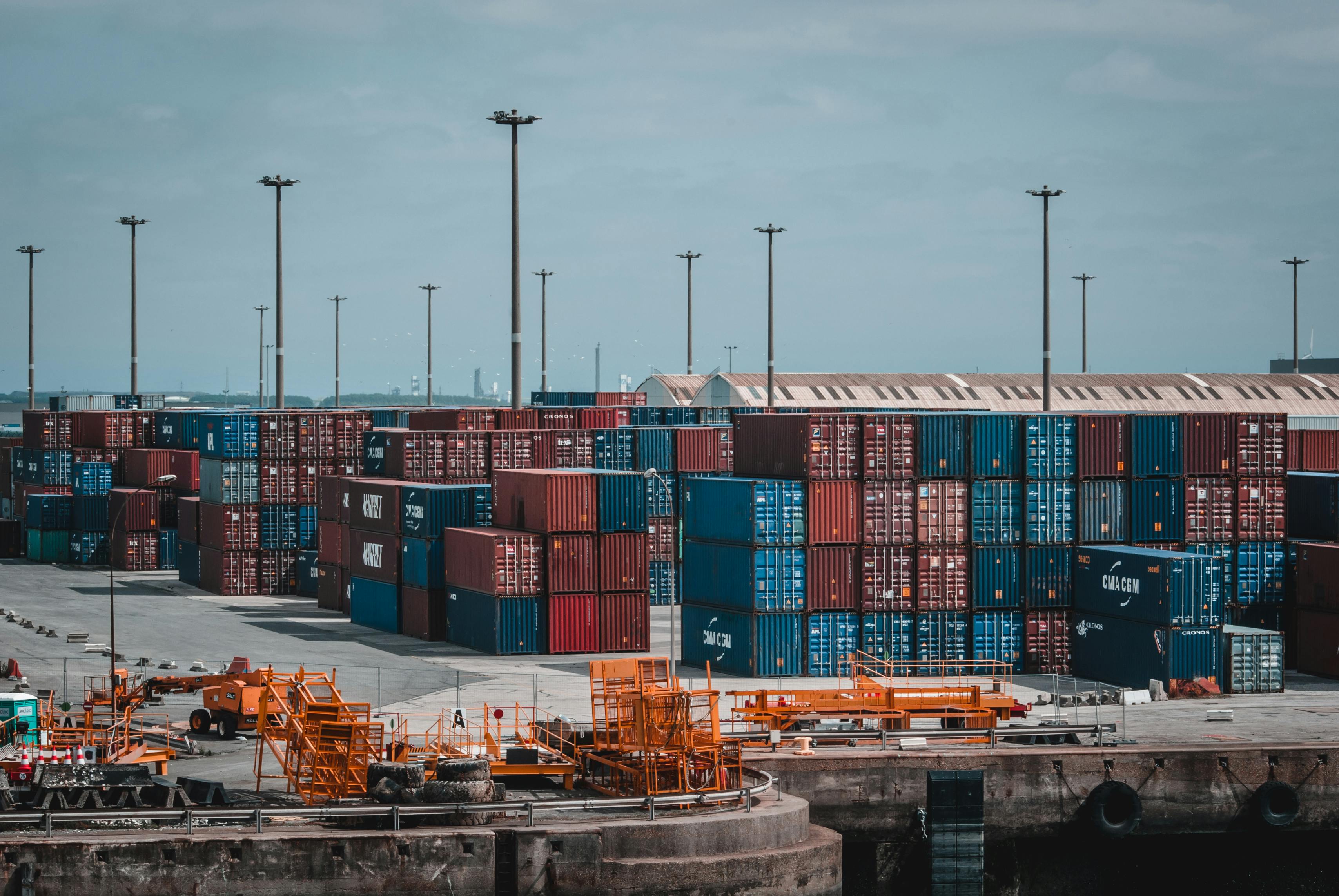
Shipping logistics can feel like navigating uncharted waters for many businesses. Choosing the right methods and understanding the process are key to keeping goods moving smoothly. This guide explores the essentials of sea freight and related options, tailored for B2B freight needs. Whether you are shipping machinery or retail stock, here is what you need to know.
Why Sea Freight Shipping Matters for Businesses
Sea freight remains a cornerstone of global trade. It is cost-effective for large volumes and offers unmatched capacity compared to air or road options. Businesses relying on bulk goods, such as raw materials or heavy equipment, often find sea freight shipping the most practical choice. Vessels can handle thousands of tonnes, making it ideal for hefty consignments that do not require rapid delivery across borders.
The process starts with selecting the right container. Standard 20ft or 40ft units are versatile enough for most general cargo. Need something bigger? High-cube containers provide extra height for oversized loads. The key is matching the container to your cargo’s dimensions and weight. Get this right, and you are well on your way to mastering logistics.
The Role of Container Transport in Seamless Delivery
Once your goods are loaded, the journey does not end at the port. Container transport bridges the gap between sea and land. Efficient haulage ensures your cargo reaches its final destination without delays. This stage requires coordination, including customs clearance, trucking schedules, and warehouse handovers.
Road transport complements sea freight by offering flexibility. A well-timed pickup from the docks can save days in transit. Businesses often overlook this step, yet it is as vital as the ocean crossing itself. How do you ensure smooth handoffs? Partnering with experienced logistics providers can make a significant difference.
Key Considerations for Optimising Sea Freight
Timing is critical in logistics. Sea freight is not the fastest option, with transit often taking weeks, but planning ahead offsets this. Booking space early avoids peak-season delays, especially on busy routes like Asia to Europe. Flexibility in scheduling can also reduce costs. Mid-week sailings often come cheaper than weekend slots.
Another factor is documentation. Incorrect paperwork can stall your shipment faster than a storm at sea. Bills of lading, commercial invoices, and packing lists must be accurate. A quick double-check saves trouble later. For more on streamlining this, the Institute of Export & International Trade offers valuable resources for businesses new to the process.
Container Options: Picking the Right Fit
Not all cargo is created equal. Standard dry containers suit most needs, such as palletised goods or boxed items. Open-top units work for tall machinery, while flat racks handle awkward, heavy loads. Each type has its strengths, so consider your cargo’s shape and size. A 40ft flat rack might be excessive for a small consignment but perfect for industrial gear.
Ports and Routes: Mapping the Journey
Major UK ports like Felixstowe and Southampton handle millions of containers yearly. Your choice of port affects transit time and cost. Closer ports might save on haulage, but busier hubs often provide more sailings. Routes matter too. Direct sailings beat multi-stop trips for speed, though they cost more. Weighing these options keeps your logistics efficient.
Beyond Sea Freight: Integrating Multi-Modal Solutions
Sea freight does not operate in isolation. Combining it with road or rail, known as multi-modal transport, maximises efficiency. A shipment might sail from Shanghai to Felixstowe, then travel by truck to Manchester. This hybrid approach suits businesses with complex supply chains. It is about finding the balance between cost, speed, and reliability.
Rail is worth considering too. It is greener than road haulage and handles bulk well, especially inland. Not every route supports it, but where it fits, it is a strong addition. The trick is syncing each leg so goods flow without interruption.
Final Thoughts: Tailoring Logistics to Your Business
Mastering shipping logistics comes down to understanding your needs. Sea freight offers scale and value, while container transport completes the journey. Choose the right containers, plan your routes, and keep paperwork precise. It is a formula that delivers results. Need advice on optimising your next shipment? The options are available. It is about making them suit your goals.
Logistics is not just about moving goods. It is about advancing your business. With the right strategy, sea freight and beyond become less of a challenge and more of an opportunity. Ready to streamline your supply chain? The tools and knowledge are within reach.