(Bloomberg Businessweek) -- Mexico City is joining major cities across the globe by taking its first step toward cashless public transportation. Or at least Mastercard hopes so.
This November, the card company will introduce a contactless, transit-enabled debit card for Mexico City’s Metro, the Sistema de Transporte Colectivo, allowing riders tap-and-go payment tied to their bank accounts. It’s an effort by Mastercard to capture millions of daily cash transactions while helping the government promote broader participation in the financial system.
There are a few problems, however. A large contingent of Mexico City residents don’t have bank accounts. And any expansion of the initiative beyond the Metro would be hobbled by the fact that a large number of business only take cash.A normal ticket on Mexico City’s heavily subsidized Metro, the fifth-largest in the world, costs 5 pesos ($0.25), which makes it the cheapest. Riders can choose between buying a paper ticket or a refillable card that can hold up to 120 pesos, but both options are only able to be purchased in cash from a staffed ticket booth.
Mastercard says it will update existing software in the Metro’s turnstiles so card-readers can differentiate between refillable cards and debit cards. Mastercard’s beneficence is part of an investment strategy, one with an eye toward revenue that would come with a cultural shift away from cash. The card company rolled out a similar partnership in Colombia with Bogotá’s express bus service, TransMilenio. Mastercard says it has issued 1.5 million cards there and is in talks with 16 additional Latin American cities.
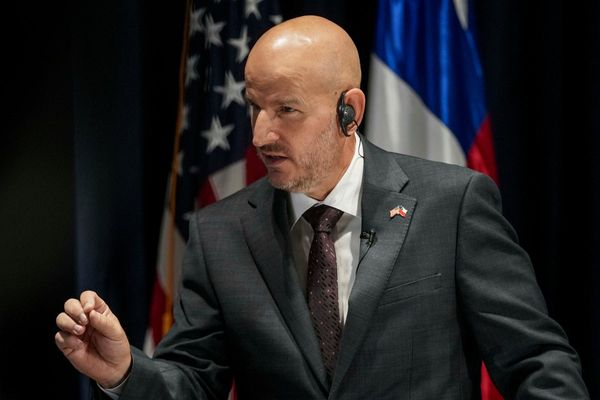
“Using transportation as an excuse, we’re going to bring more cards to the market,” said Cesar Espinoza, Mastercard’s vice president for government and development in the region. Prepaid and debit cards will be available in Mexico City by mid-2018, the company said.
For their part, Mexico City officials say they hope the initiative will prod millions without bank accounts to enter the formal economy. “We need to make it easier for people to be included,” said Salomón Chertorivski Woldenberg, the city’s secretary of economic development. And according to the government, it won’t cost taxpayers a peso.“The City of Mexico is not paying Mastercard one cent for this project,” said Jorge Gaviño Ambriz, the Metro’s director. “The only risk to us is losing time, as a city.”
To contact the author of this story: Ali Withers in New York at awithers8@bloomberg.net.
To contact the editor responsible for this story: David Rovella at drovella@bloomberg.net.
©2017 Bloomberg L.P.