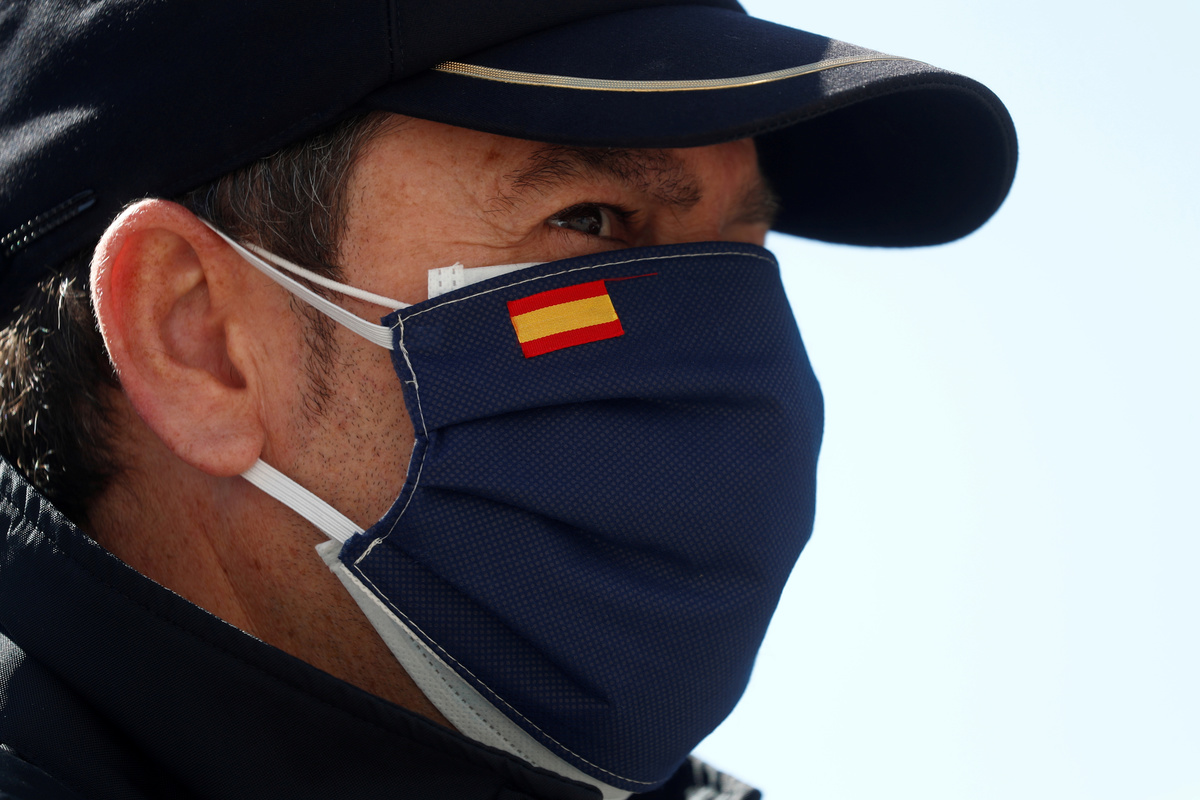
Face masks could help limit the spread of the COVID-19 pandemic, according to researchers who studied the effect of surgical masks on the transmission of other corona and flu viruses.
In the study, the use of surgical masks by sufferers significantly reduced the number of flu viruses detectable in droplets released through breathing and coughing.

It also reduced the number of seasonal coronaviruses - among the causes of common colds - detectable in the air as suspended microdroplets, or aerosols. The study did not look at the new coronavirus, SARS-CoV-2.
"Further research is needed to determine whether masks can specifically prevent the transmission of SARS-CoV-2," the scientists said.
The research, published in the journal Nature Medicine, coincides with the pandemic of COVID-19 respiratory disease, which has infected more than a million people worldwide and killed more than 53,000.

Benjamin Cowling, the professor who led the study at the World Health Organization (WHO) Collaborating Centre for infectious disease epidemiology in Hong Kong, said its findings could be extrapolated to simpler cotton masks.
"My expert view is that cloth or cotton masks would have an effect, but maybe slightly less of an effect than a surgical mask properly worn," he said in a telephone interview. "And in terms of COVID-19, we're looking at every possible measure that could help."
Until now, there has been little robust scientific evidence on the effectiveness of face masks in slowing transmission of respiratory diseases.

The WHO says masks should be worn by anyone with symptoms such as cough or fever, or anyone caring for a confirmed or suspected COVID-19 case, but does not advise healthy people to wear them in everyday situations.
There is some evidence, however, to suggest that the rapid spread of the SARS-CoV-2 coronavirus is due at least in part to the fact that it can be transmitted by people showing no symptoms.
Rupert Beale, a specialist in infection biology at London's Francis Crick Institute who was not directly involved in Cowling's work, said the study offered "strong and compelling evidence" for mask wearing as a means of reducing transmission of some viruses, but that they were not a magic bullet.
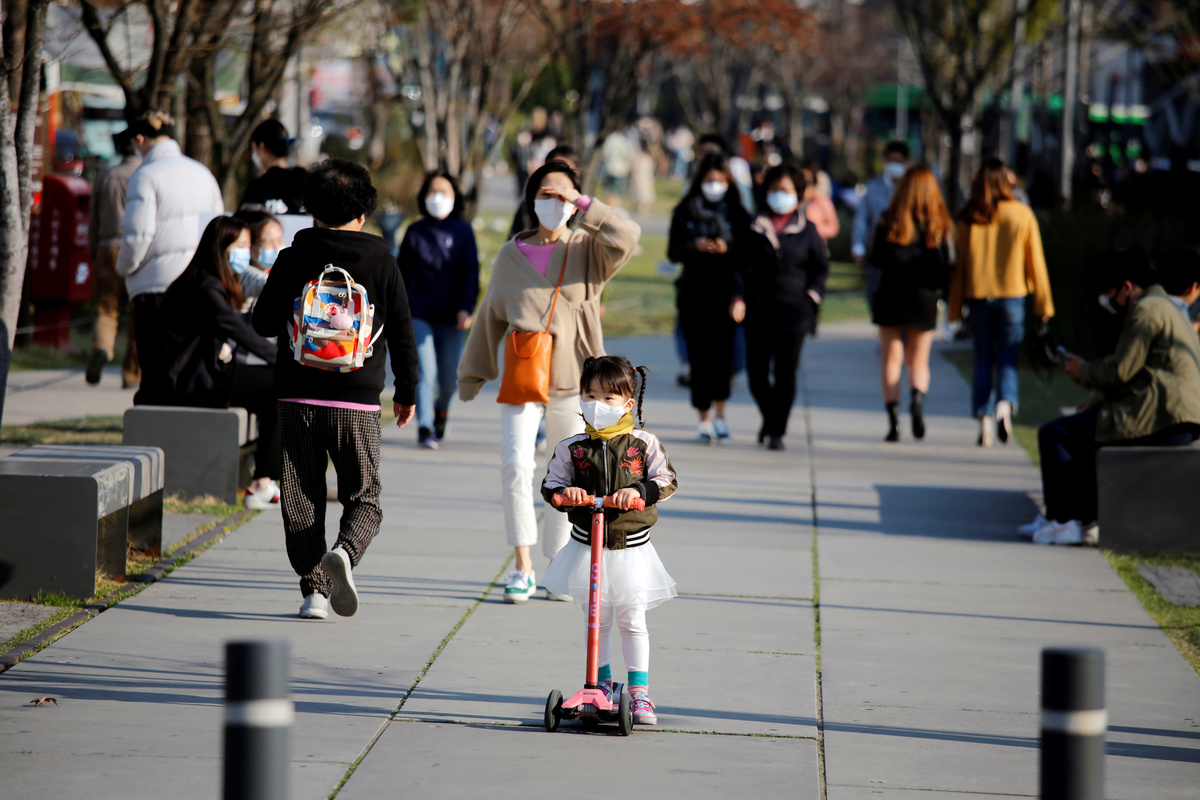
"Mask wearing does not completely prevent transmission and cannot be relied on as a sole measure," he said, "but, combined with other social distancing measures, should form part of the 'exit strategy' from lockdown".
(This story corrects name of journal to Nature Medicine)
(Reporting by Kate Kelland; Editing by Kevin Liffey)