Masked dance tradition rises from near extinction in Cambodia
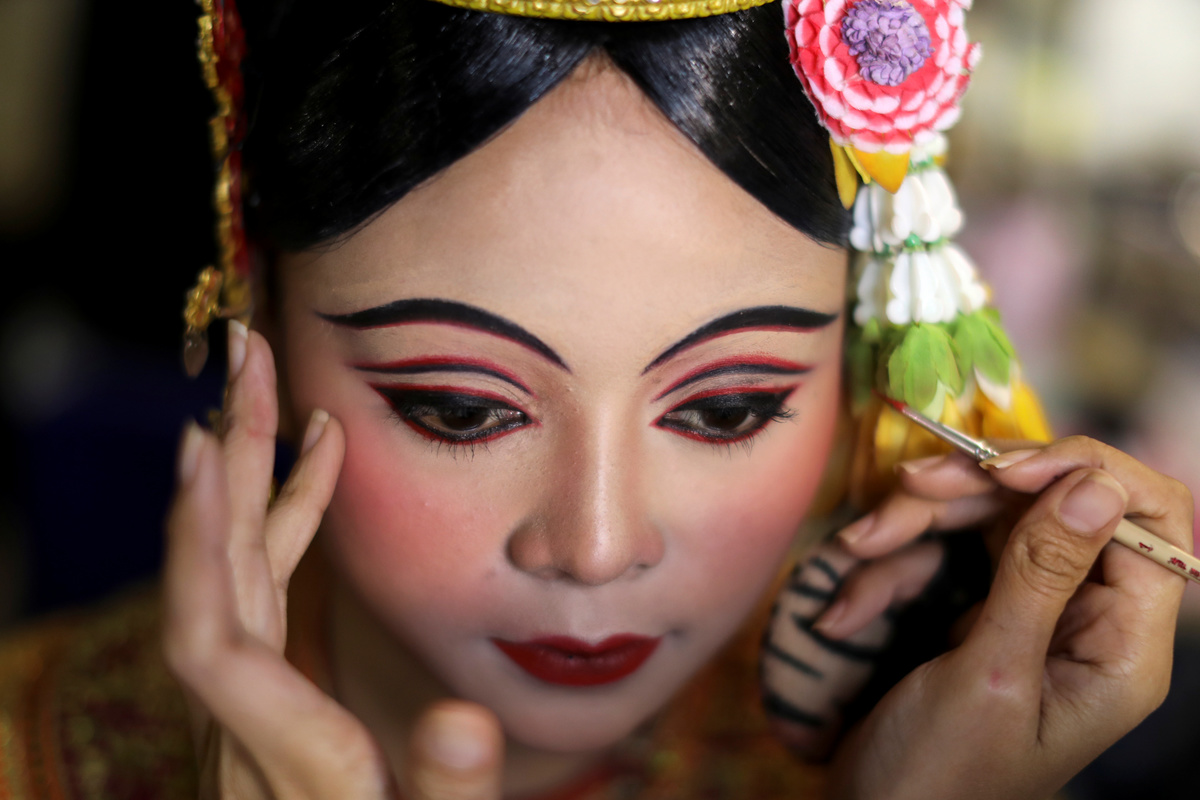
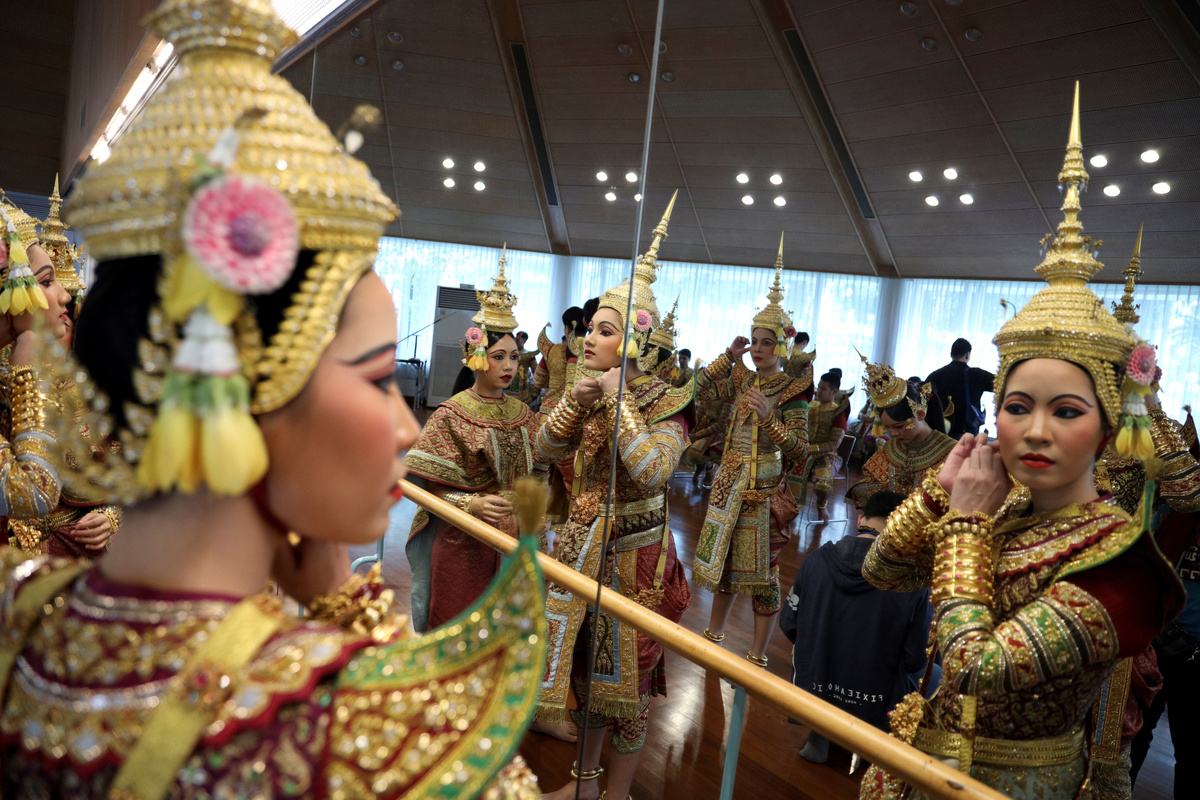
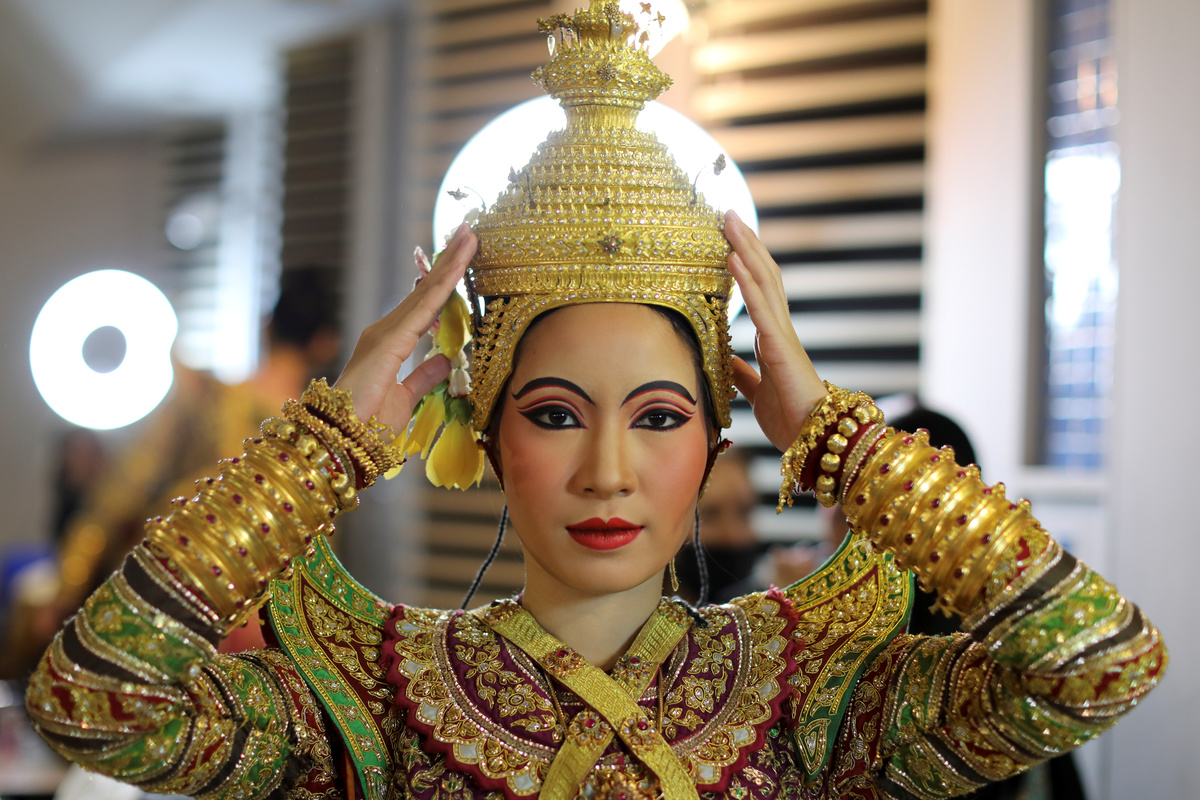
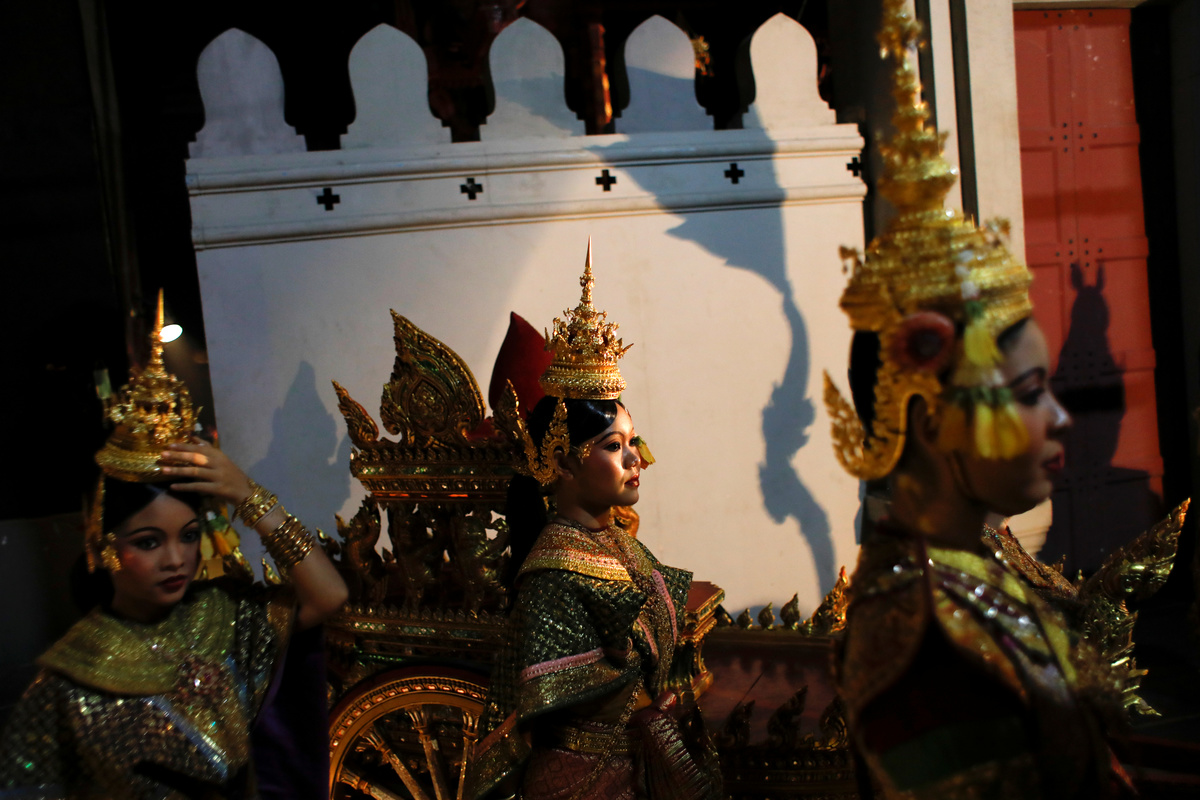
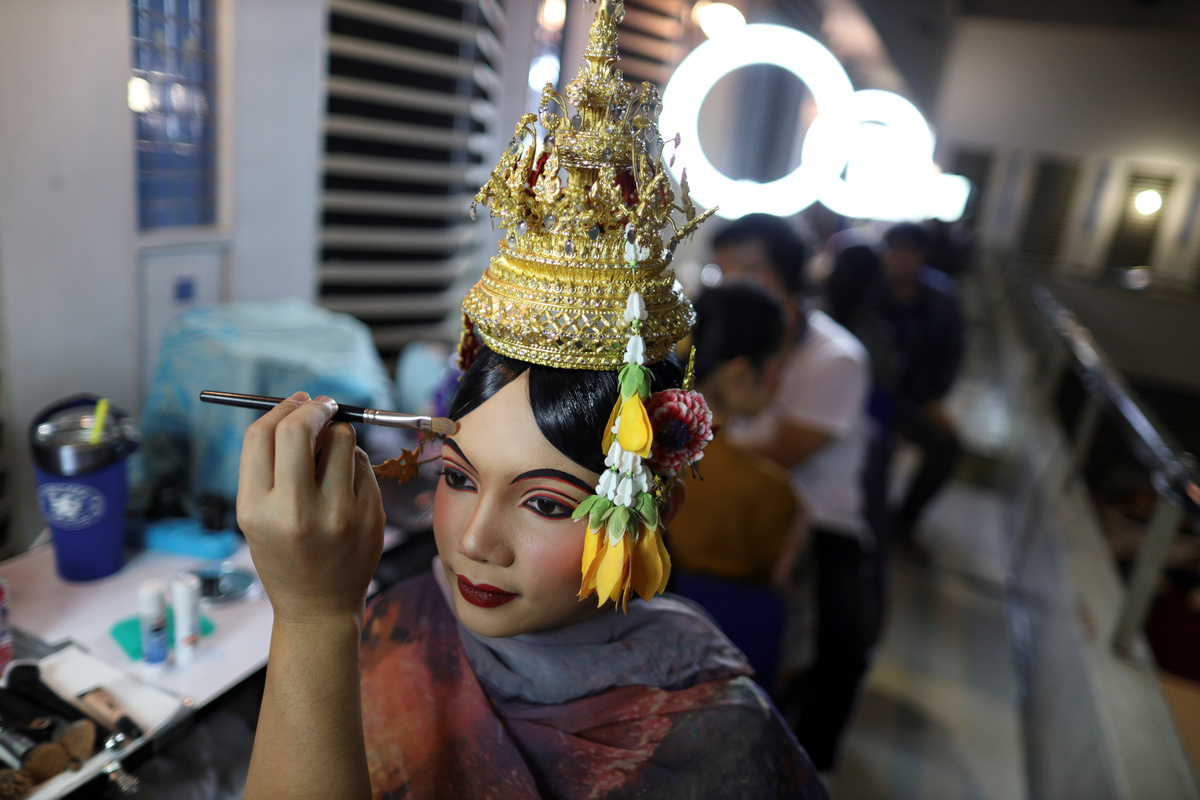
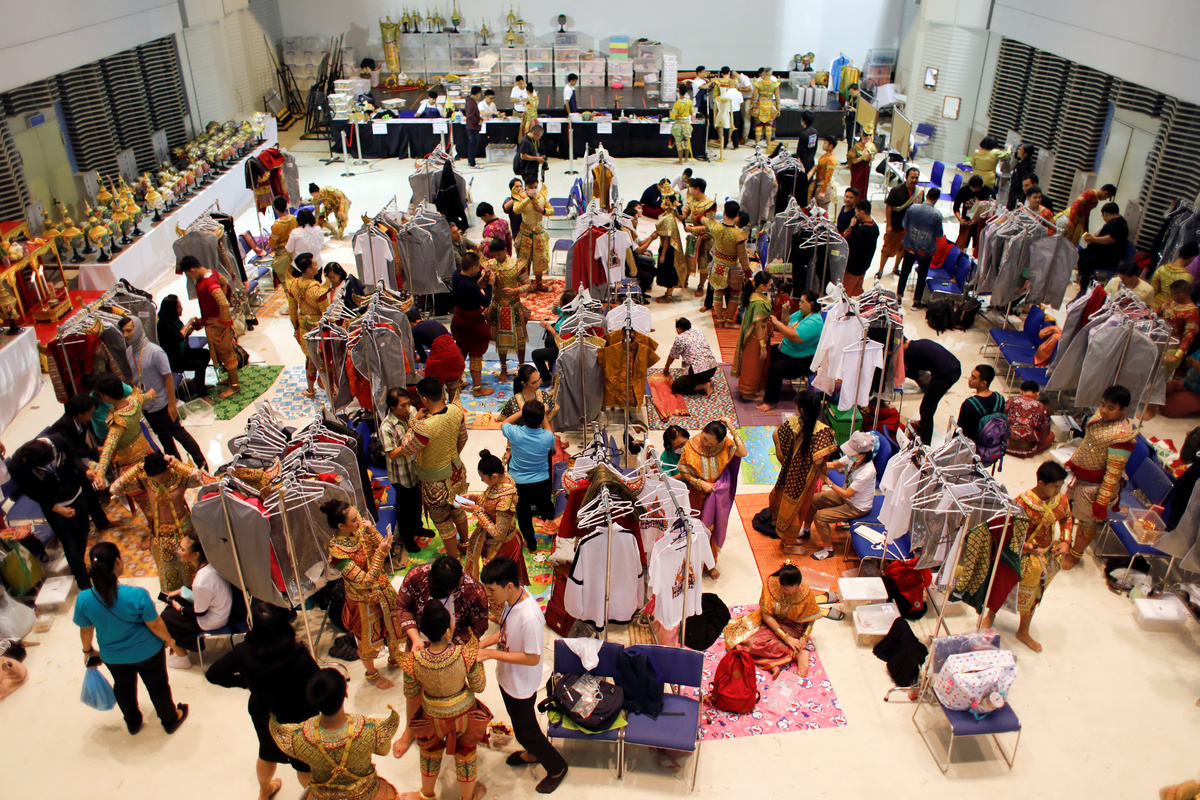
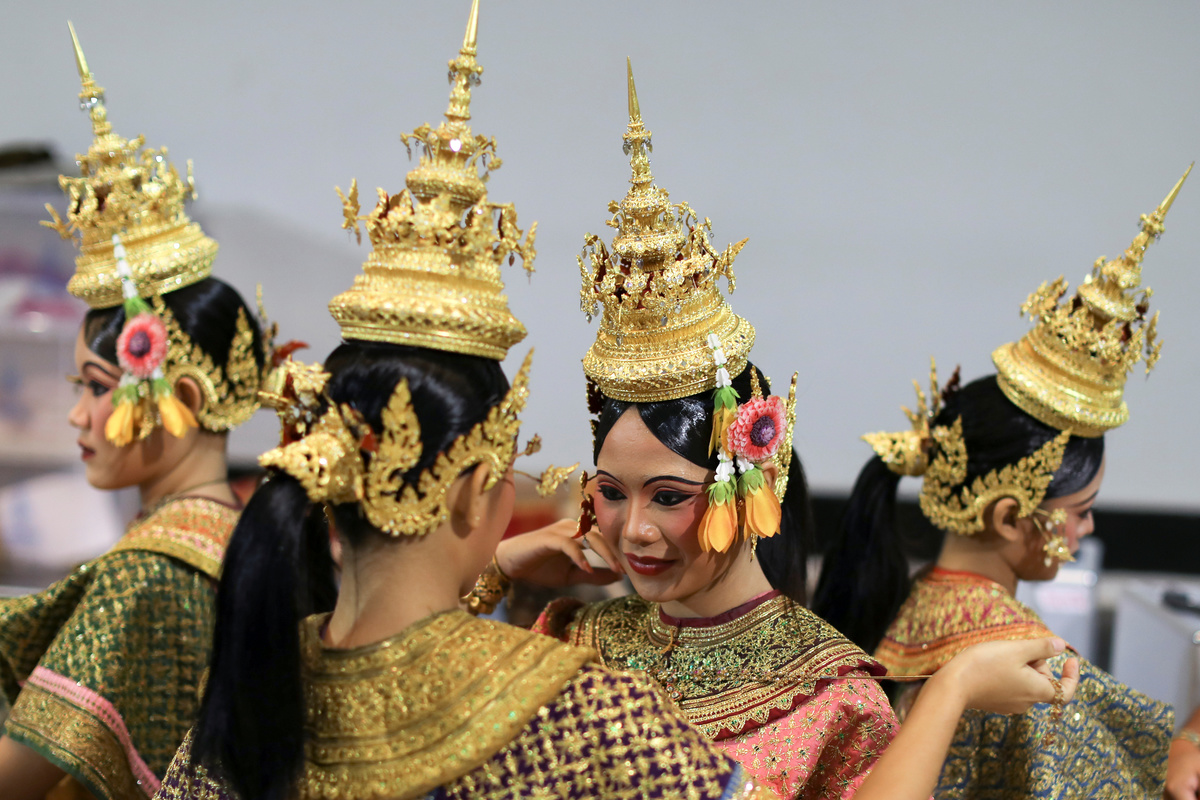
Dancers get ready backstage before a performance of masked theatre known as Khon which was recently listed by UNESCO, the United Nations' cultural agency, as an intangible cultural heritage, along with neighbouring Cambodia's version of the dance, known as Lakhon Khol at the Thailand Cultural Centre in Bangkok, Thailand November 7, 2018. REUTERS/Jorge Silva
PHNOM PENH/BANGKOK (Reuters) - Cambodia's centuries-old tradition of masked dance was nearly wiped out by the Khmer Rouge's "Killing Fields" regime, but a handful of artists managed to keep it alive and are now working to pass it along to a new generation.
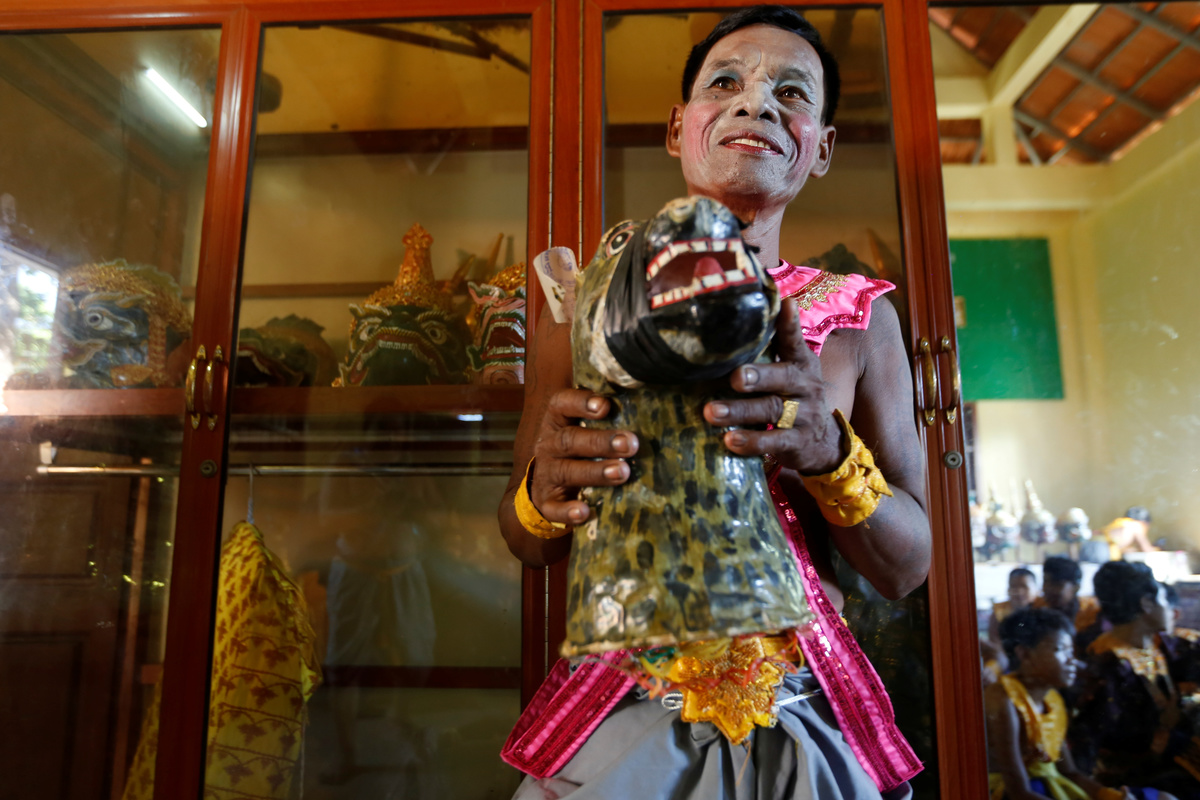
Sun Rithy's father and grandfather were both performers of the Lakhon Khol masked dance, but the ultra-Maoist Khmer Rouge - who scorned most art as decadent - banned its study when he was a child in the 1970s.
Dancers get ready backstage before a performance of masked theatre known as Khon which was recently listed by UNESCO, the United Nations' cultural agency, as an intangible cultural heritage, along with neighbouring Cambodia's version of the dance, known as Lakhon Khol at the Thailand Cultural Centre in Bangkok, Thailand November 7, 2018. REUTERS/Athit Perawongmetha
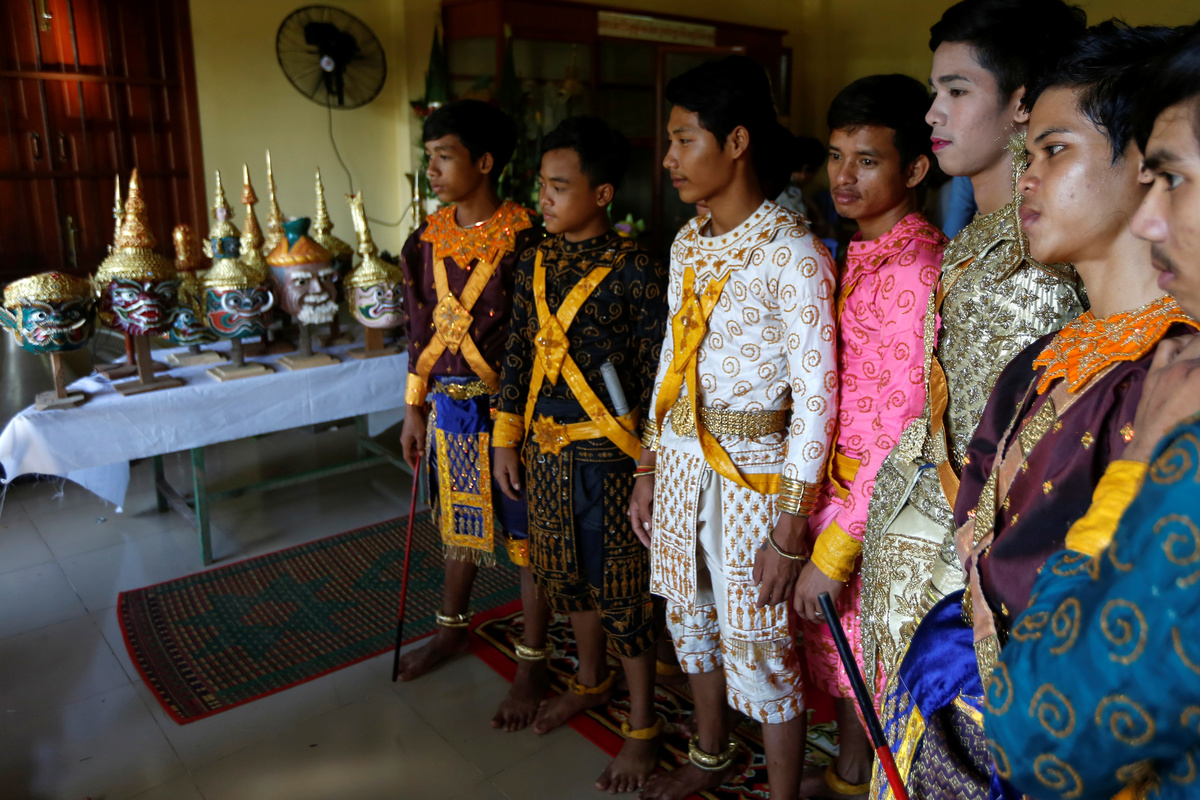
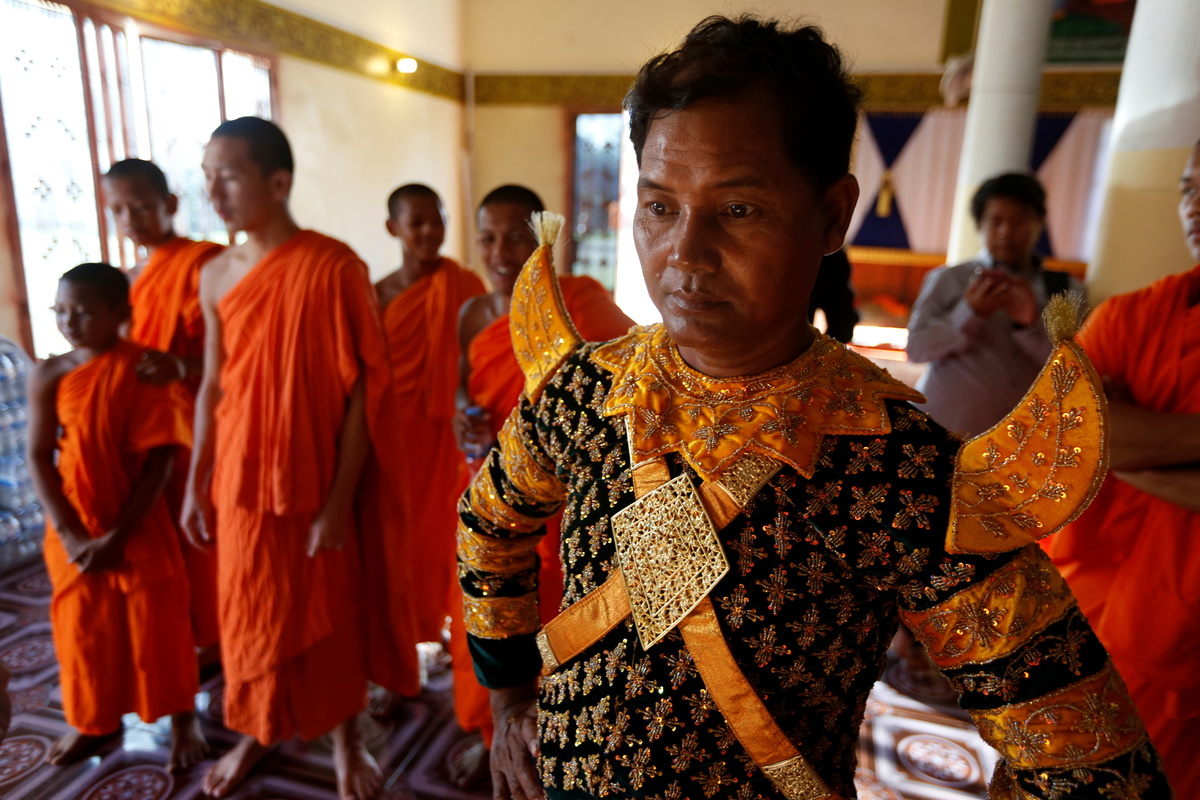
Now 48, Sun Rithy leads one of the last Lakhon Khol troupes in Cambodia, made up of about 20 performers and students aged six to 15. For him, teaching a new generation is a matter of survival for the tradition.
"I don't want Lakhon Khol ... to go extinct," Sun Rithy told Reuters.
Lakhon Khol was recently listed by UNESCO, the United Nations' cultural agency, as an intangible cultural heritage, along with neighboring Thailand's version of the dance, known as Khon.
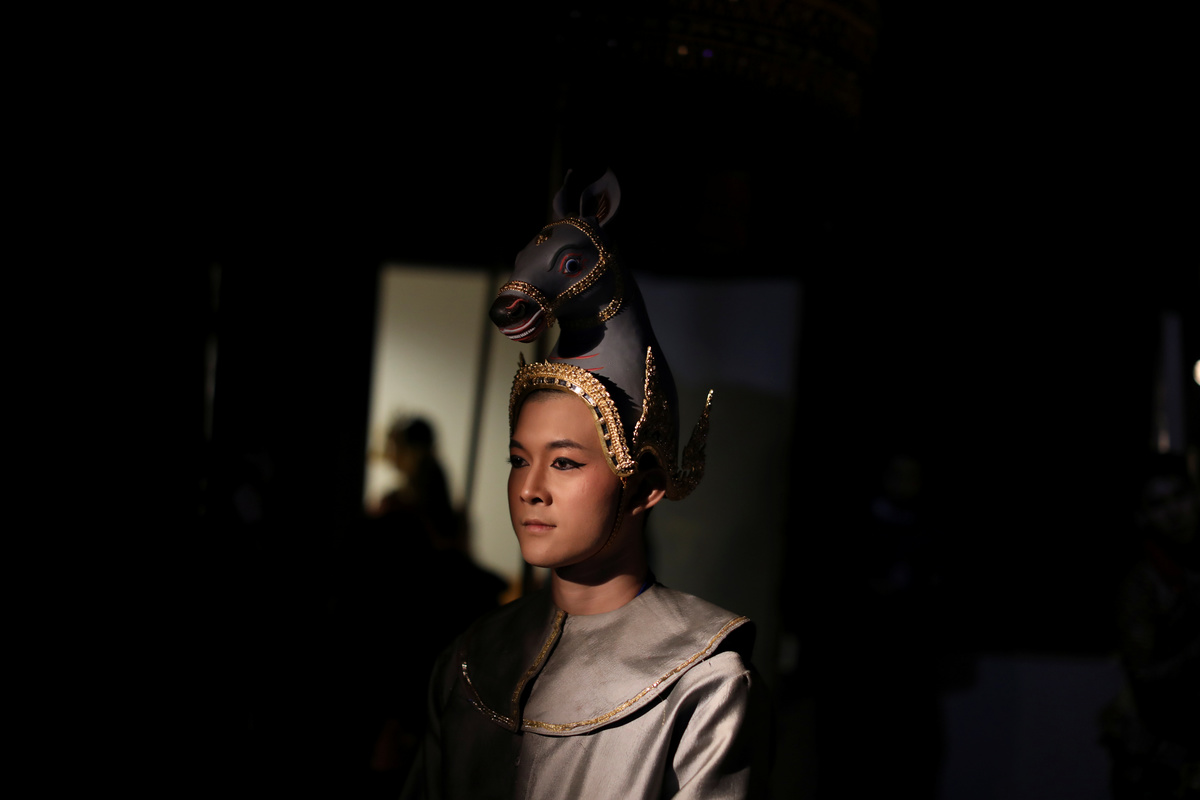
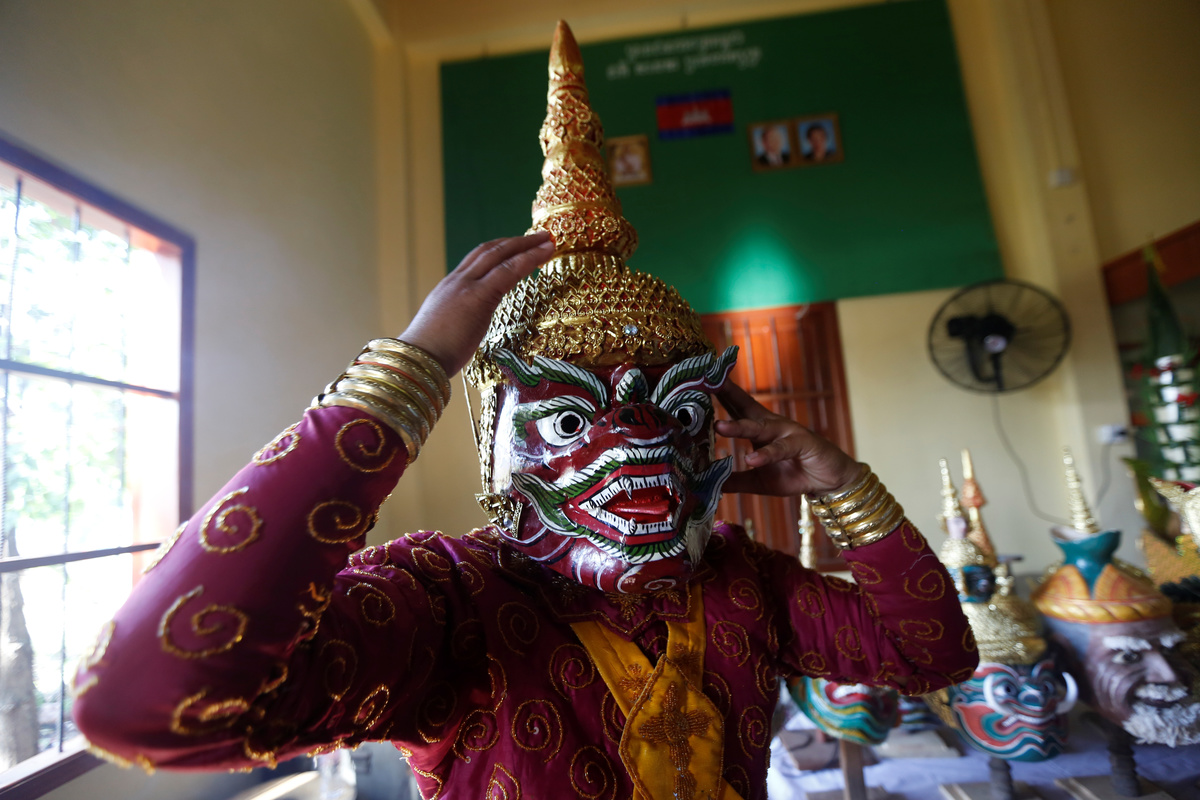
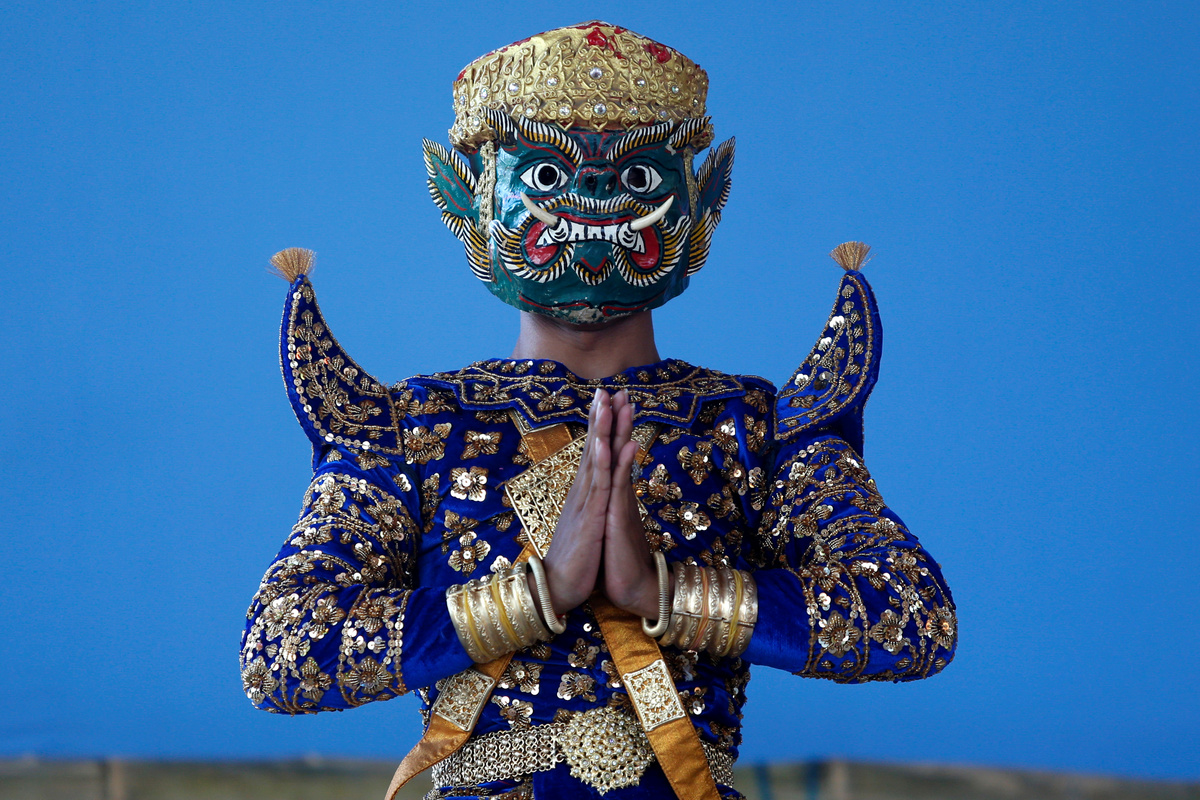
A dancer poses backstage before a performance of masked theatre known as Khon which was recently listed by UNESCO, the United Nations' cultural agency, as an intangible cultural heritage, along with neighbouring Cambodia's version of the dance, known as Lakhon Khol at the Thailand Cultural Centre in Bangkok, Thailand November 7, 2018. REUTERS/Jorge Silva
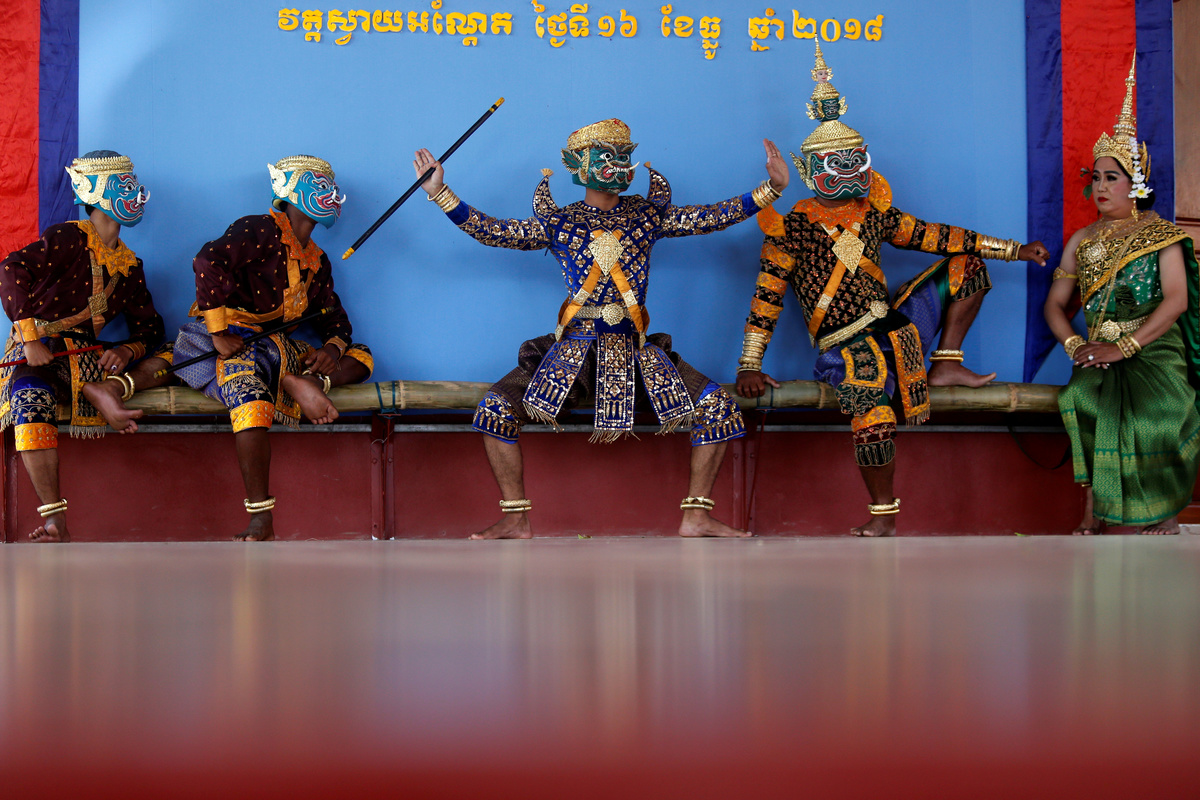
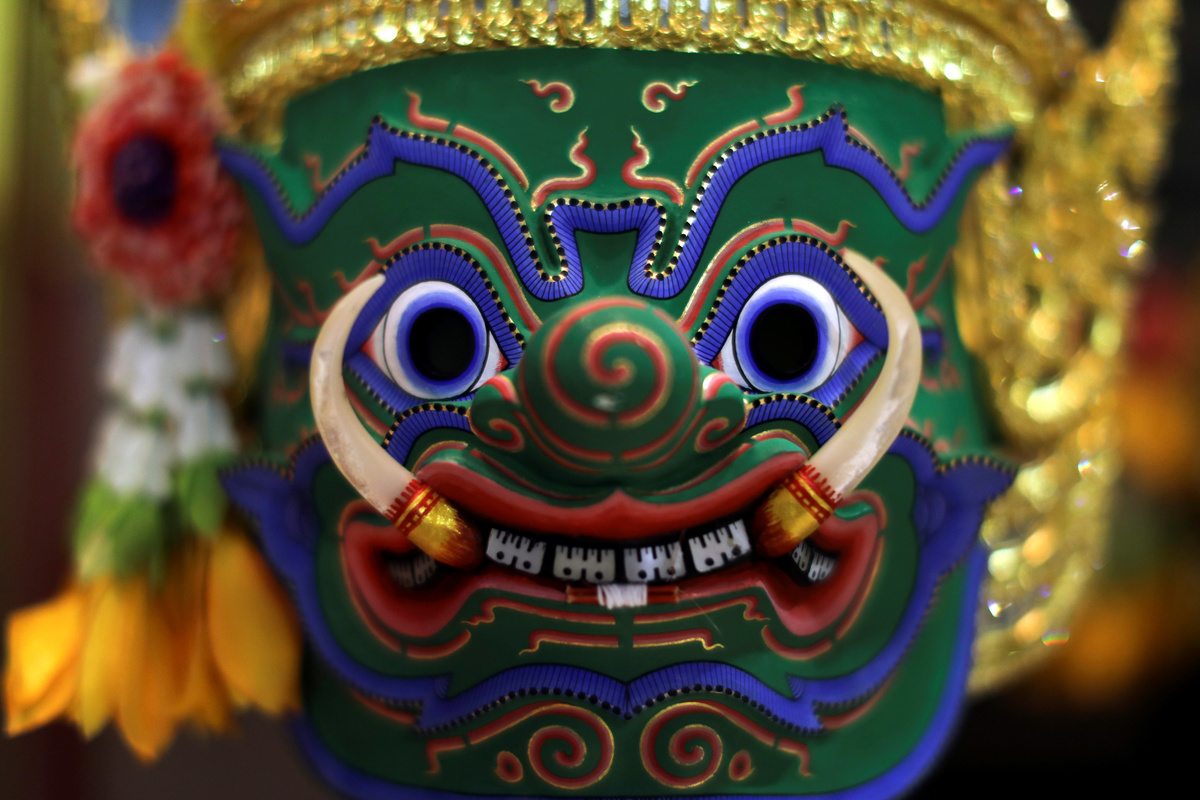
There are different variations in Southeast Asia, all featuring dancers wearing elaborate painted masks depicting the Ramayana, a Sanskrit epic poem in which a prince rescues his wife from a demon with help from an army of monkeys.
But in Cambodia, the art form is still struggling to recover from the Khmer Rouge, under whose genocidal 1975-79 rule at least 1.7 million people, including artists, dancers and writers, died, mostly from starvation, overwork, disease, execution or torture.
"In the Khmer Rouge, I was young and they didn't teach people dance. Lakhon Khol was destroyed," said Sun Rithy, who started to learn the dance when he was 14, after the Khmer Rouge were ousted from power.
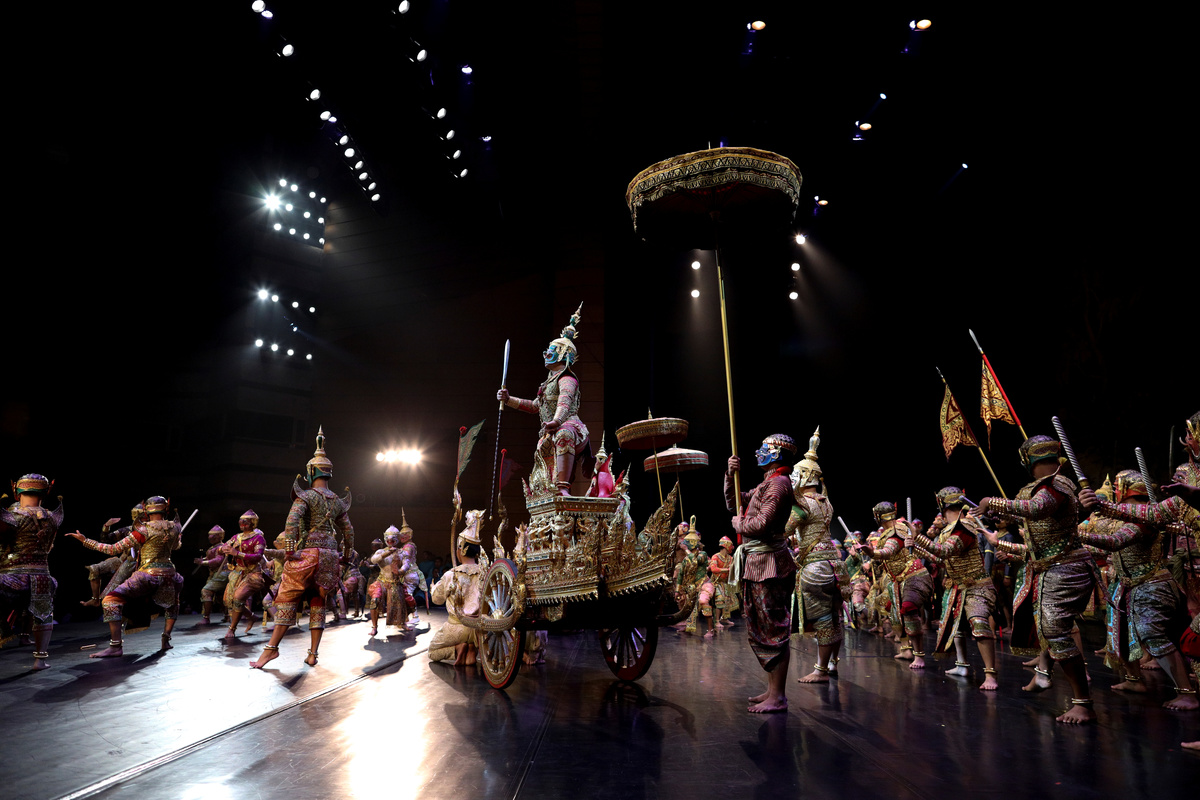
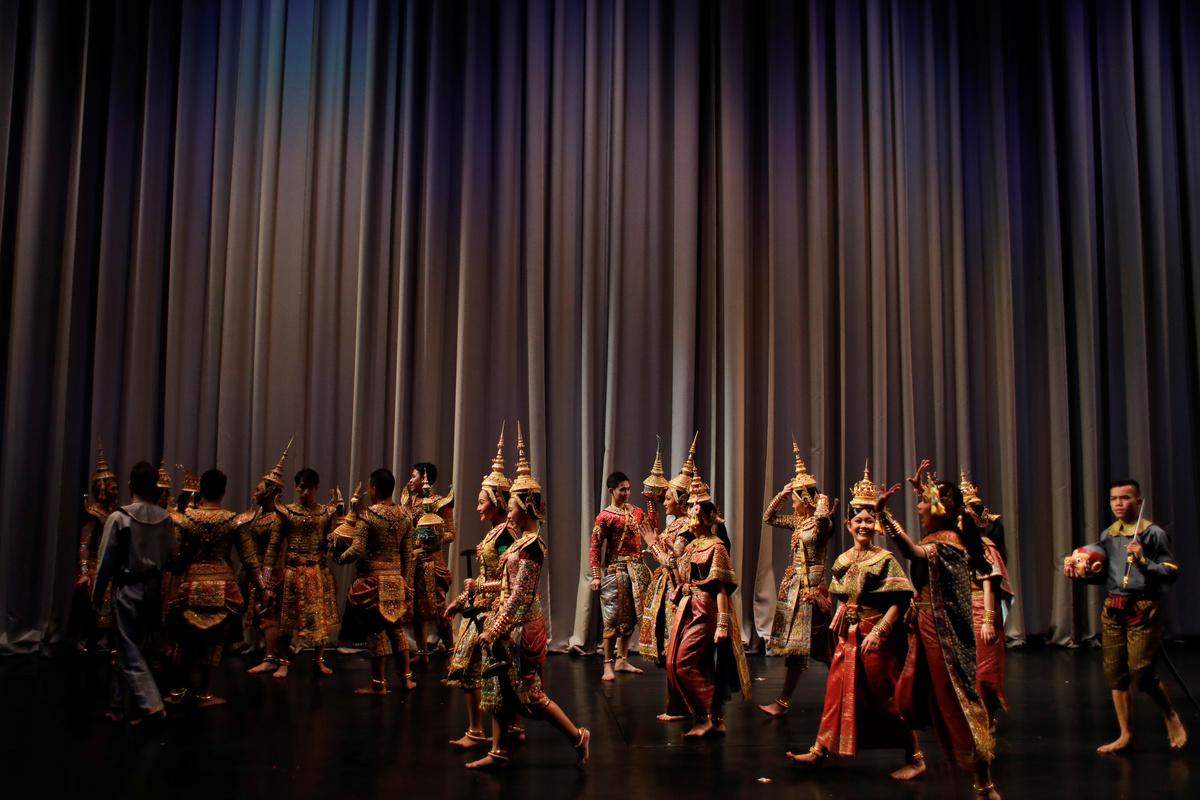
Dancers are seen on stage during a performance of masked theatre known as Khon which was recently listed by UNESCO, the United Nations' cultural agency, as an intangible cultural heritage, along with neighbouring Cambodia's version of the dance, known as Lakhon Khol at the Thailand Cultural Centre in Bangkok, Thailand November 7, 2018. REUTERS/Athit Perawongmetha
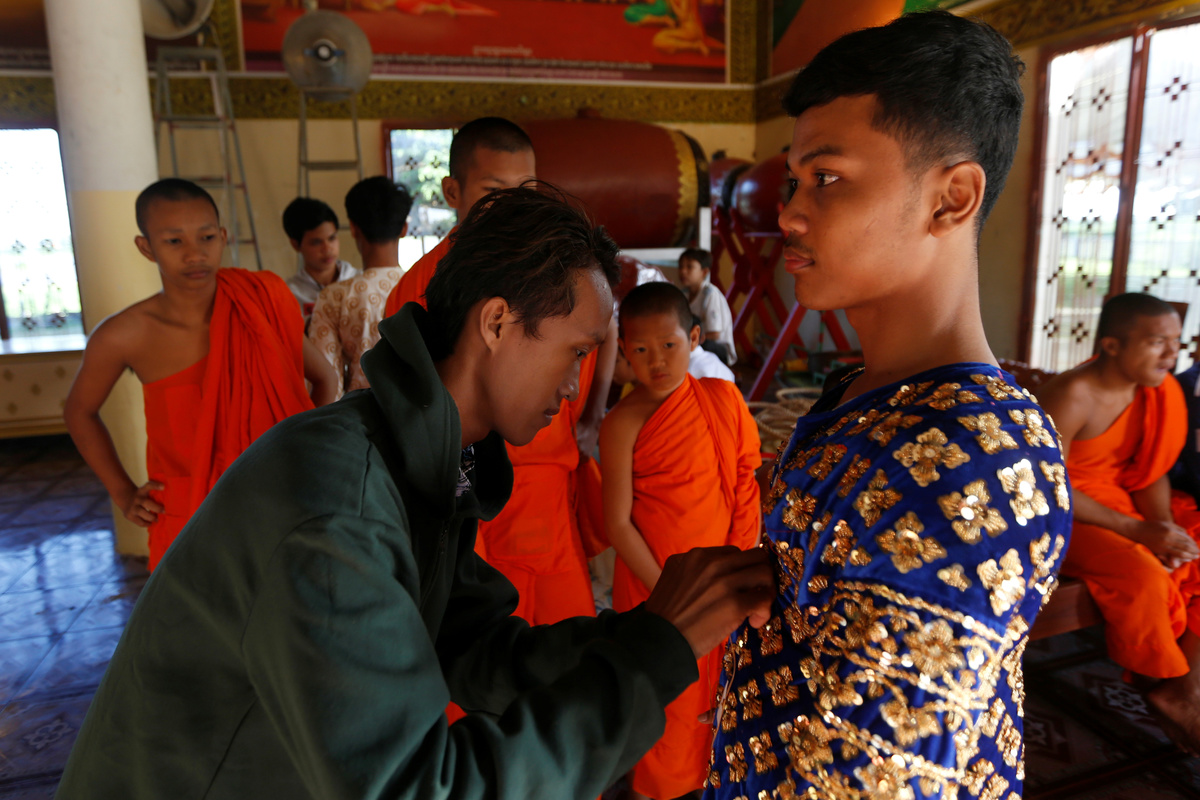
Ahead of a recent rehearsal, students stretched their legs and hands at the troupe's a newly built theater at Wat Svay Andet, a Buddhist temple outside the capital, Phnom Penh.
Pum Pork, 49, said his 11-year-old son, Pum Meta, was attending the dance class.
"I want to have my son trained to perform so that in the future we won't lose the ancient art," he said.
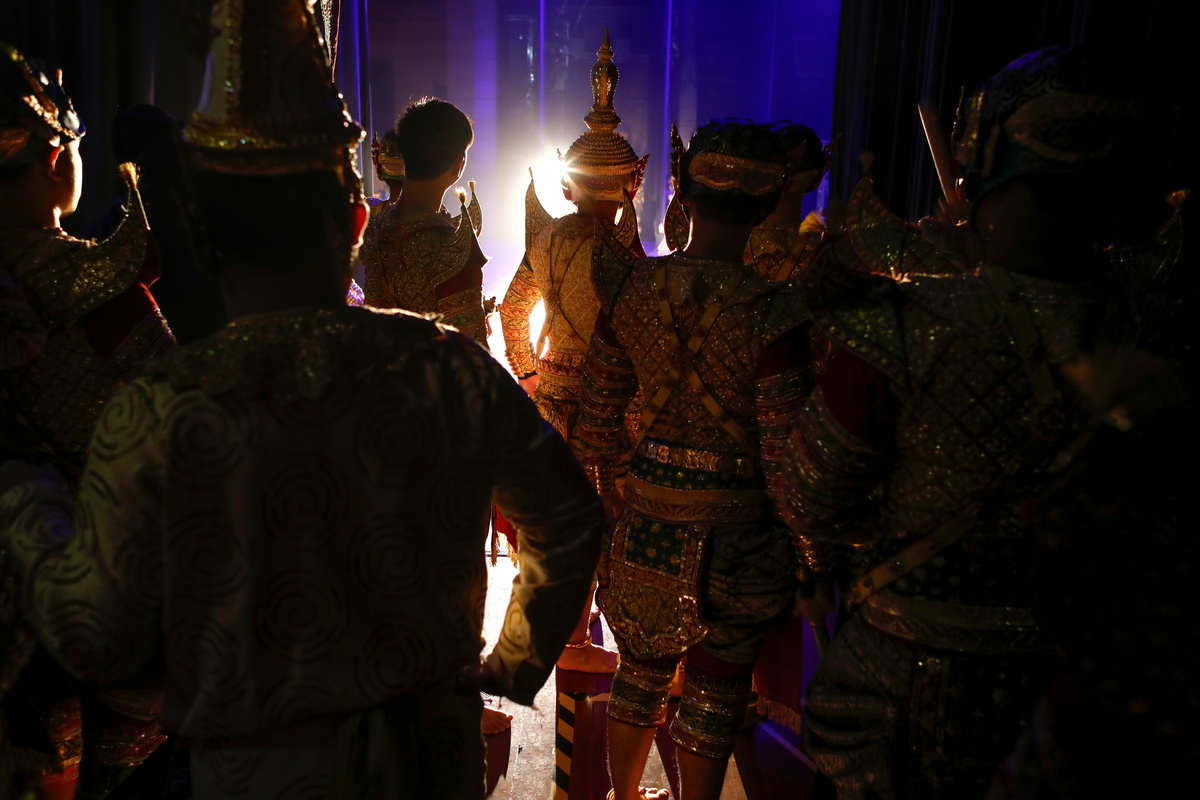
Dancers wait backstage during a performance of masked theatre known as Khon which was recently listed by UNESCO, the United Nations' cultural agency, as an intangible cultural heritage, along with neighbouring Cambodia's version of the dance, known as Lakhon Khol at the Thailand Cultural Centre in Bangkok, Thailand November 7, 2018. REUTERS/Jorge Silva
Cambodian Minister of Culture and Fine Arts, Phoeurng Sackona, said that the dance needed immediate preservation and urged all people to get involved.
"Elderly performers are trying to preserve the dance at this Wat Svay Andet," Phoeurng Sackona told Reuters. "But it is up to young people whether they agree or not to receive knowledge from the elders."
Thailand's version of the dance has fared better than its neighbor's, but practitioners still depend on recruiting a new generation of performers.
Dancers wait backstage during a performance of masked theatre known as Khon which was recently listed by UNESCO, the United Nations' cultural agency, as an intangible cultural heritage, along with neighbouring Cambodia's version of the dance, known as Lakhon Khol at the Thailand Cultural Centre in Bangkok, Thailand November 7, 2018. REUTERS/Jorge Silva
Thailand's Khon tradition, originally centered on the royal court, is now taught by many schools and universities.
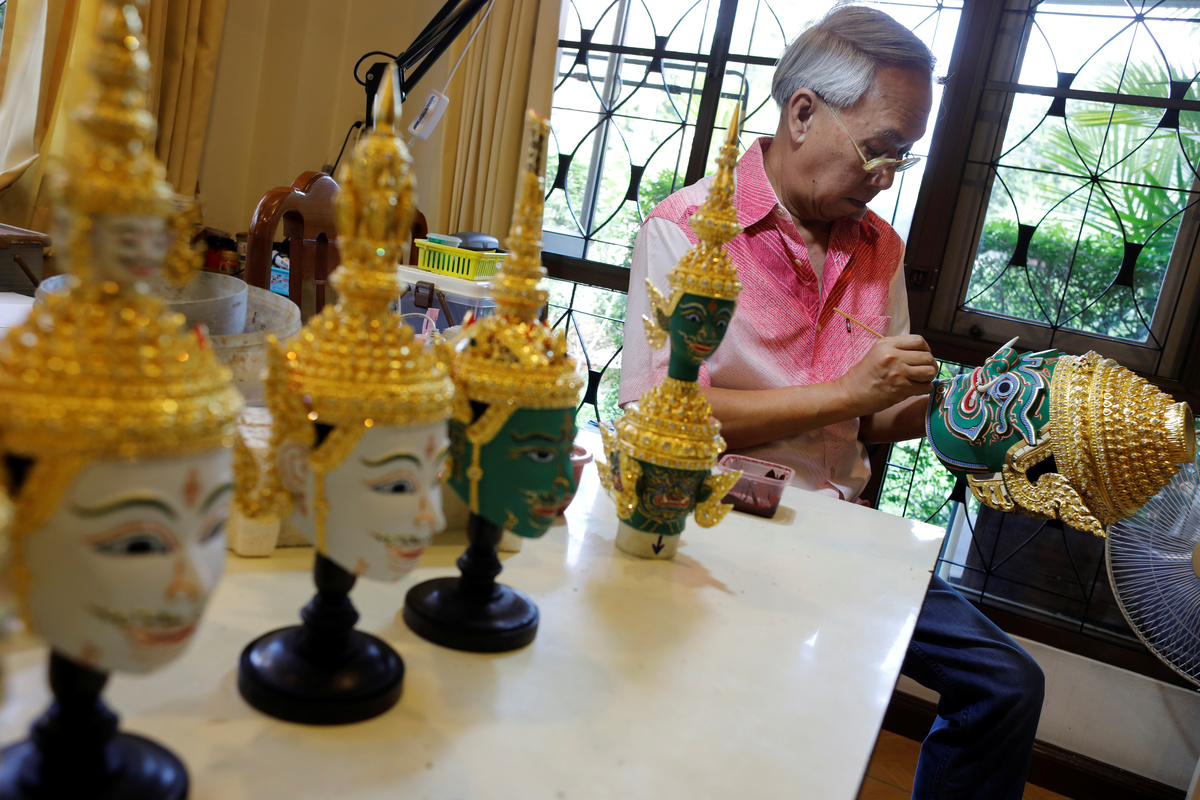
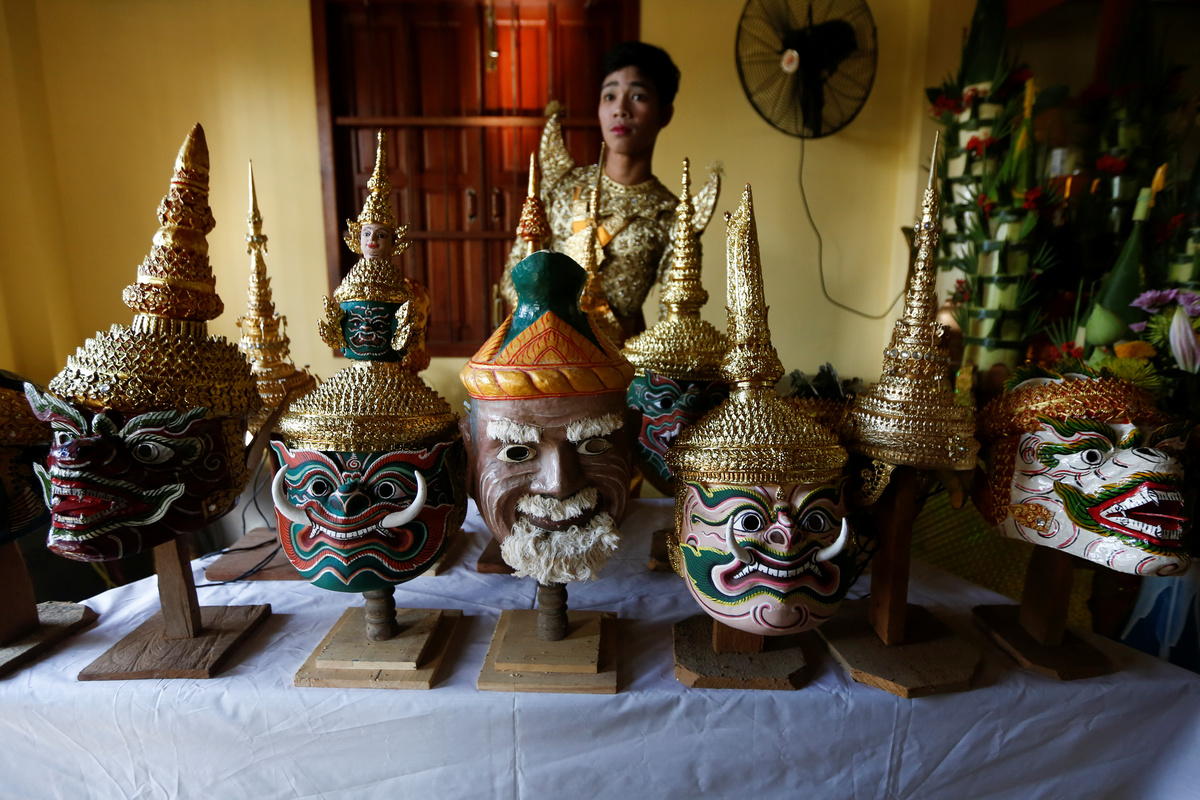
Mom Luang Pongsawad Sukhasvasti, 67, has followed his father's footstep in making Khon masks since he was 10 and still hand-fashions the masks from his home studio in Ayutthaya province, north of Bangkok.
Each mask takes a month to produce, from molding the plaster to drawing the intricate details.
Dancers walk behind the curtain on stage after a performance of masked theatre known as Khon which was recently listed by UNESCO, the United Nations' cultural agency, as an intangible cultural heritage, along with neighbouring Cambodia's version of the dance, known as Lakhon Khol at the Thailand Cultural Centre in Bangkok, Thailand November 7, 2018. REUTERS/Jorge Silva
Pongsawad said the UNESCO listing could boost awareness.
"Teachers now must do more than teaching the dance," he said. "They need to help students understand the roots as well to preserve it."
(This version of the story fixes bylines)
A dancer waits backstage during a performance of masked theatre known as Khon which was recently listed by UNESCO, the United Nations' cultural agency, as an intangible cultural heritage, along with neighbouring Cambodia's version of the dance, known as Lakhon Khol at the Thailand Cultural Centre in Bangkok, Thailand November 7, 2018. REUTERS/Jorge Silva
(Writing by Prak Chan Thul in Phnom Penh; Editing by Nick Macfie)
Dancers get ready backstage before a performance of masked theatre known as Khon which was recently listed by UNESCO, the United Nations' cultural agency, as an intangible cultural heritage, along with neighbouring Cambodia's version of the dance, known as Lakhon Khol at the Thailand Cultural Centre in Bangkok, Thailand November 7, 2018. REUTERS/Athit PerawongmethaMom Luang Pongsawad Sukhasvasti, 67, works at his theatre mask studio in Ayutthaya province, Thailand November 30, 2018. REUTERS/Jorge SilvaDancers get ready backstage before a performance of masked theatre known as Khon which was recently listed by UNESCO, the United Nations' cultural agency, as an intangible cultural heritage, along with neighbouring Cambodia's version of the dance, known as Lakhon Khol at the Thailand Cultural Centre in Bangkok, Thailand November 7, 2018. REUTERS/Jorge SilvaA dancer gets ready before a performance of masked theatre known as Lakhon Khol which was recently listed by UNESCO, the United Nations' cultural agency, as an intangible cultural heritage, along with neighbouring Thailand's version of the dance, known as Khon at the Wat Svay Andet buddhist temple in Kandal province, Cambodia, December 16, 2018. REUTERS/Samrang PringDancers get ready before a performance of masked theatre known as Lakhon Khol which was recently listed by UNESCO, the United Nations' cultural agency, as an intangible cultural heritage, along with neighbouring Thailand's version of the dance, known as Khon at the Wat Svay Andet buddhist temple in Kandal province, Cambodia, December 16, 2018. REUTERS/Samrang PringA dancer gets ready before a performance of masked theatre known as Lakhon Khol which was recently listed by UNESCO, the United Nations' cultural agency, as an intangible cultural heritage, along with neighbouring Thailand's version of the dance, known as Khon at the Wat Svay Andet buddhist temple in Kandal province, Cambodia, December 16, 2018. REUTERS/Samrang PringA dancer gets ready before a performance of masked theatre known as Lakhon Khol which was recently listed by UNESCO, the United Nations' cultural agency, as an intangible cultural heritage, along with neighbouring Thailand's version of the dance, known as Khon at the Wat Svay Andet buddhist temple in Kandal province, Cambodia, December 16, 2018. REUTERS/Samrang PringDancers perform masked theatre known as Lakhon Khol which was recently listed by UNESCO, the United Nations' cultural agency, as an intangible cultural heritage, along with neighbouring Thailand's version of the dance, known as Khon at the Wat Svay Andet buddhist temple in Kandal province, Cambodia, December 16, 2018. REUTERS/Samrang PringA dancer gets ready before a performance of masked theatre known as Lakhon Khol which was recently listed by UNESCO, the United Nations' cultural agency, as an intangible cultural heritage, along with neighbouring Thailand's version of the dance, known as Khon at the Wat Svay Andet buddhist temple in Kandal province, Cambodia, December 16, 2018. REUTERS/Samrang PringDancers get ready backstage before a performance of masked theatre known as Khon which was recently listed by UNESCO, the United Nations' cultural agency, as an intangible cultural heritage, along with neighbouring Cambodia's version of the dance, known as Lakhon Khol at the Thailand Cultural Centre in Bangkok, Thailand November 7, 2018. REUTERS/Jorge SilvaA dancer performs a masked theatre known as Lakhon Khol which was recently listed by UNESCO, the United Nations' cultural agency, as an intangible cultural heritage, along with neighbouring Thailand's version of the dance, known as Khon at the Wat Svay Andet buddhist temple in Kandal province, Cambodia, December 16, 2018. REUTERS/Samrang PringA dancer gets ready before a performance of masked theatre known as Lakhon Khol, which was recently listed by UNESCO, the United Nations' cultural agency, as an intangible cultural heritage, along with neighbouring Thailand's version of the dance, known as Khon at the Wat Svay Andet Buddhist temple in Kandal province, Cambodia December 16, 2018. REUTERS/Samrang PringA traditional Khon theatre mask is seen at the Thailand Cultural Centre in Bangkok, Thailand November 7, 2018. REUTERS/Jorge Silva
Sign up to read this article
Read news from 100’s of titles, curated specifically for you.