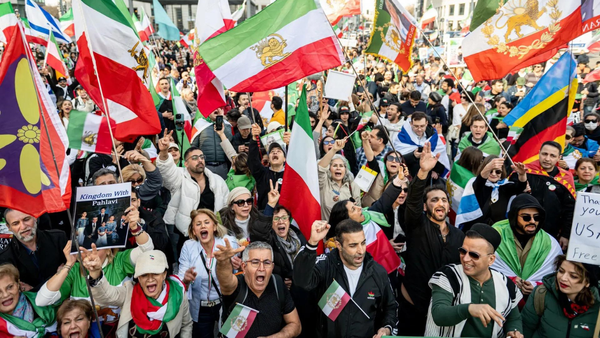
At 11pm on Friday, January 31, Britain officially ceases to be a member of the EU.
To celebrate, a fancy new 50p has been launched with the date on it, while others have planned festivals and wakes depending on their position.
Now Martin Lewis has explained what impact the undoubtedly historically significant day will have on your wallet too.
" Friday is a big political day, but not a big practical day for UK consumers," Martin told readers of the MoneySavingExpert.com newsletter.
"Whether it's mortgages, savings, travel rights or more, all are simply moved to the new transitional rules - designed to provide unchanged continuity.
"In other words, today's rules will still stand on Saturday."
But that doesn't mean everything will stay the same - simply that Friday isn't the date that actually matters.

"The key change will be when the transition finishes at the year's end," Martin said.
"What happens after that is up in the air, as it depends solely on what deal we get with the EU, if any."
And there are some changes that will happen along the way, just not permanent ones.
"Of course, in the meantime as always there will be exchange rate and market fluctuations depending how various deal announcement updates are viewed," Martin said.
At the end of the transition period - currently set to be December 31, but that might be pushed back - there could well be far more serious changes.
While some things - such as flight delay compensation - have been written into UK law, others are still up for grabs.
Everything from free roaming for phones in Europe to your EHIC might change.
You might need a new permit to drive in Europe, you might not. You might need a visa to holiday in Europe, you might not.
But one thing we know is that, by signing a deal, there will be no changes until the transition period runs out on December 31.