Marks & Spencer reported dismal sales figures for the key Christmas period on Thursday morning. Here is what City analysts and other retail experts made of the numbers.
Neil Saunders, managing director of retail research consultancy Conlumino:
We believe that M&S’s strategy of becoming more fashion focused is generally sound. New collections, including those in place over the Christmas period, had some strong pieces and, generally, looked good – especially in larger stores. However, it is fair to say that the rejuvenation of M&S’s clothing offer is at a relatively early stage and it has not yet completely won back the confidence of consumers. This means that performance can easily be blown off course by negative headwinds; and the gusts certainly blew this Christmas.
This Christmas online was a critical channel for growth, accounting for a higher proportion of sales than ever before. Unfortunately, M&S’s logistical problems meant that it could not properly enjoy the fruits of this growth and, indeed, likely suffered further as media reporting of its online woes deterred some potential internet customers from purchasing. We believe that M&S has much more work to do with its online proposition: this is wider than just getting the logistics right, the website is less than optimal and overcomplicates the buying journey. Given that having a strong and integrated omnichannel offer is a critical component of future growth, remedying these issues are now a matter of priority.
One area that is not fully online is food – and in a sector characterised by low and weakening margins, M&S is probably better off not having the headache of an expensive online service. However, in our view, M&S’s food offer is strong enough that it does not necessarily need an online offer to be successful – people will willingly come to stores to buy. This is evidenced in the latest set of numbers where M&S has, once again, outperformed a very tough market even if like-for-likes were anaemic.
Louise Cooper, independent City analyst:
Food growth at 0.1% like-for-like is OK although much better than the Big Four. But Christmas week was strong. Womenswear is losing the slight momentum it had gained thanks to the warmer weather in autumn and the disastrous website problems. Gross margin guidance remains +150-200bp which is a relief. And there is much better news on cost cutting with guidance up. To me MKS is still a story of cost cutting and management improvements whilst waiting for clothing sales to improve.
Freddie George, retail analyst at Cantor Fitzgerald:
Although we believe that at last there have been some visible improvements and more consistency with the womenswear ranges, we still have a number of concerns. The initiatives relating to the supply chain and IT address under investment from the past and bring the infrastructure up to the standards of international peers, but will not, we believe, lead to a significant increase in sales or profits over the medium term. Debt levels remain over £2bn and the company has a pension deficit to fund, which will likely limit the potential for accelerated dividend payouts.
Phil Dorrell, director of the retail consultancy Retail Remedy:
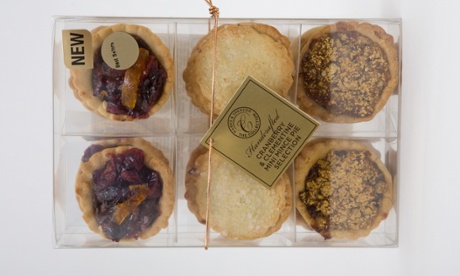
However many luxury mince pies and champagne it shifts, M&S’s food sales cannot mask its increasingly dire clothing sales figures.
The 40-something customer that M&S seeks to attract is far more fashion conscious than the brand gives them credit for – and the reality is most of them don’t want to be shopping in a store that seems to be catering for ages 40 to 140.
The improved margin on clothes is a sound long-term aim, but Marks remains a volume retailer and not a boutique. It simply cannot allow sales to fall at the current rate. A 5.3% like-for-like fall in clothing sales is woeful compared to the success of its high street rivals, and unforgivable given the length of time it has been working on a turnaround strategy.