
Treasurer Jim Chalmers says parts of the Australian economy are proving resilient, but overall growth is running well short of what the previous coalition government had let voters believe in the early stages of the year.
At the same time, he said Australians are face rising inflation and interest rates, and soaring energy prices.
The March quarter national accounts showed the economy grew by 0.8 per cent, a marked slowdown from the upwardly revised 3.6 per cent increase in the December quarter when the Delta variant lockdowns ended.
This resulted in an annual growth rate of 3.3 per cent.
"These national accounts are a glimpse of the mess that the former government left behind for us to clean up," Dr Chalmers told reporters in Canberra on Wednesday.
"In summary of the national accounts, robust in parts, resilient in parts but much weaker that what our predecessors were counting on in their budget forecasts."
However, household spending did help to prop up economic growth in the quarter, overcoming the impact of the COVID-19 Omicron variant's spread in early 2022, as well as floods along the east cost of Australia.
The Australian Bureau of Statistics said government spending was also one of the main drivers of growth in the March quarter.
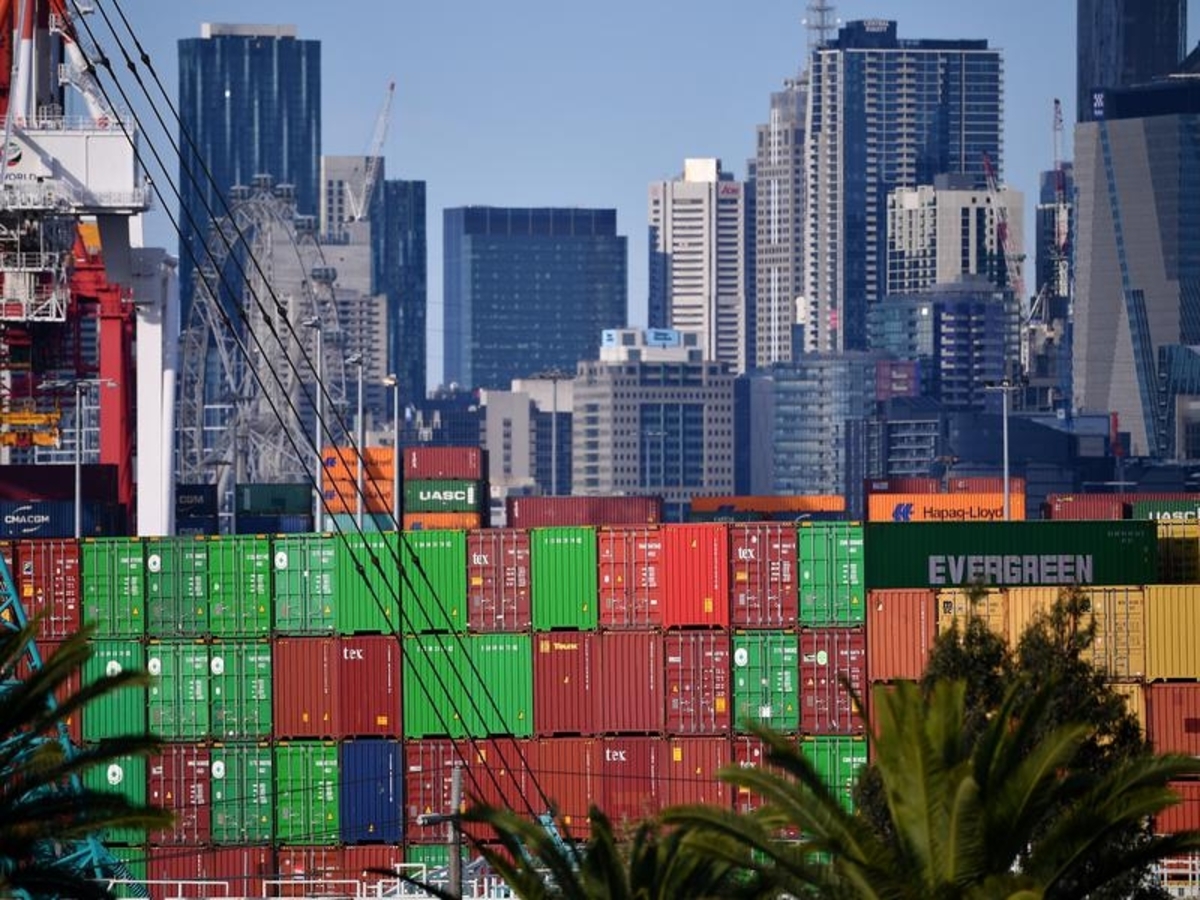
But imports of goods and services jumped 8.1 per cent, the largest rise since December 2009, and resulted in net exports detracting 1.5 percentage points from growth.
Dr Chalmers also warned that the international environment is difficult too and becoming more so, as countries like the US and UK tackle high levels of inflation and while China battles its COVID-19 outbreak.
Economists doubt the more modest expansion in the first three months of 2022 will stand in the way of the Reserve Bank of Australia raising the cash rate by a further 25 basis points when its board meets next week.
Meanwhile, growth in Australia's manufacturing sector in the early months of 2022 came to an abrupt halt in May due to supply constraints, labour shortages, rising prices and wage growth.
The Australian Industry Group performance of manufacturing index fell by 6.1 points to 52.4 points, just above the 50-point mark that separates expansion from contraction.
The decline in May followed three months of consistent acceleration.
"There are mixed messages about the immediate outlook with new orders continuing to rise, but with many manufacturers expressing concern about the prospects of sharp energy price rises in the months ahead," Ai Group chief executive Innes Willox said on Wednesday.
"Manufacturers continue to report supply constraints and labour shortages as the leading sources of concern and they reported still higher input costs and a lift in wages growth in May."